
Raghurajpur: The Heritage Crafts Village
Just 14 kilometres from Puri, Raghurajpur is Odisha's first designated heritage crafts village, and for good reason. Here, almost every household is a studio, and every resident is an artist. The village is most famous for its Pattachitra paintings, intricate
mythological narratives painted on treated cloth with natural colours. Visitors can walk through two main streets, with houses adorned with colourful murals, and watch artists create these masterpieces. But the creativity doesn't stop there. Raghurajpur is also a hub for delicate palm leaf engraving (Tala Pattachitra), traditional masks, stone and wood carvings, and even toys made from papier-mâché and cow dung. A visit here is an immersive experience, offering a chance to interact directly with the artisans and buy directly from the source.
Pipili: The Town of Appliqué
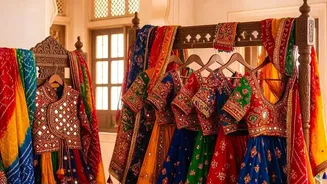
Located conveniently on the highway between Bhubaneswar and Puri, Pipili is a kaleidoscope of colour. This small town is the epicentre of Odisha's famous appliqué work, locally known as 'Chandua'. Historically, this craft was dedicated to the service of the Jagannath Temple, used for creating canopies and decorating the chariots for the Rath Yatra festival. Today, the main street of Pipili is lined with shops showcasing a dazzling array of appliqué products. You'll find everything from large decorative umbrellas and wall hangings to handbags, cushion covers, and lampshades, all featuring vibrant stitched patterns of animals, flowers, and gods. It’s a perfect stop to pick up eye-catching souvenirs that carry a piece of Odia tradition.
Cuttack: The Silver City’s Filigree
For over 500 years, the city of Cuttack has been renowned for its exquisite silver filigree, or Tarakasi. This painstaking art involves drawing silver into fine threads and twisting them into delicate, lace-like designs. The artisans, known as 'Roupyakaras', create everything from intricate jewellery to decorative items and religious idols. This craft is so integral to the region's identity that Cuttack is often called the 'Silver City'. Tarakasi work has even been granted a Geographical Indication (GI) tag, protecting its authenticity. During Durga Puja, magnificent silver backdrops called 'Chandi Medhas' showcase the height of this art form. When shopping for Tarakasi, you are acquiring not just a beautiful object, but a piece of Cuttack's luminous heritage.
Sambalpur & Bargarh: The Weaving Heartland
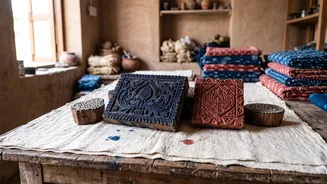
The western districts of Odisha, including Sambalpur, Bargarh, and Sonepur, are the heartland of the world-famous Sambalpuri Ikat. Known locally as 'Bandha', this handloom technique involves tie-dyeing the threads before they are woven, a process that requires immense skill and results in characteristic blurry-edged patterns. The designs often feature traditional motifs like shells (shankha), wheels (chakra), and flowers (phula). These sarees, available in both cotton and silk, gained national fame and are a prized possession for any handloom enthusiast. Visiting these regions offers a deeper appreciation for the weeks of meticulous labour that go into each unique textile.
Tribal Regions: Dokra Metal Casting
Deep in the tribal districts of Odisha, such as Mayurbhanj, Dhenkanal, and Rayagada, an ancient craft thrives: Dokra. This non-ferrous metal casting technique uses the 'lost wax' method, a process that is over 4,000 years old and traces its origins back to the Indus Valley Civilization. Tribal artisans, particularly from communities like the Sithulia, create rustic and captivating figurines of deities, animals, birds, and tribal jewellery. Villages like Sadeibereni in Dhenkanal are hubs where families have been practising this craft for generations. Each Dokra piece is one-of-a-kind because the mould is broken to retrieve the casting, making it a truly unique and raw form of artistic expression.
Ekamra Haat: A One-Stop Urban Market
For travellers short on time or those who prefer a more organized shopping experience, Ekamra Haat in Bhubaneswar is the perfect destination. Modelled after a traditional village market, this sprawling 5-acre space brings artisans and weavers from across the state under one roof. Here, you can find a curated selection of all of Odisha's famous handicrafts in one place, from Pattachitra and Pipili appliqué to silver filigree, stone carvings, and Sambalpuri sarees. The haat allows you to buy directly from the artisans, ensuring authenticity and fair prices. With its food court serving local cuisine and occasional cultural performances, it’s more than a market; it’s a celebration of Odia culture.