






Weekend Weather Outlook: What to Expect
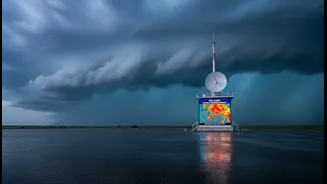
The Southwest Monsoon is active across large parts of the country, with weather agencies forecasting intense spells of rain through the weekend. According to the India Meteorological Department (IMD), widespread rainfall is expected over North, East,
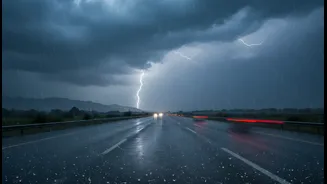
and Northeast India. States like Uttarakhand, Himachal Pradesh, Uttar Pradesh, Bihar, West Bengal, and Sikkim are on alert for heavy to very heavy rainfall. This weekend, fairly widespread rainfall is also expected across Konkan and Goa. Recent downpours have already caused significant disruptions, including waterlogging and traffic snarls in major cities like Delhi and its surrounding regions, giving a preview of what travelers might face.
High-Risk Highways and Regions
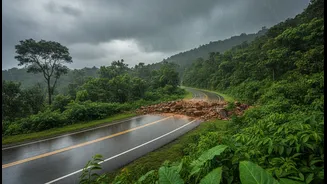
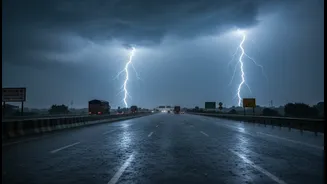
Travelers should exercise extreme caution, particularly on routes passing through hilly and coastal regions. Heavy rain has already led to landslides in Uttarakhand, blocking national highways and other roads. The Yamunotri National Highway, for instance, was recently blocked, requiring rescue operations. Similarly, highways in Himachal Pradesh are at risk of blockades from landslides and flash floods. In the western region, the popular Mumbai-Pune Expressway and the Mumbai-Goa highway (NH-66) often experience slow-moving traffic and waterlogging during intense rain spells. Travelers heading from Bengaluru towards coastal Karnataka and Kodagu are advised to be cautious, as ghat sections like Charmadi and Shiradi are prone to mudslides.
Essential Safety Tips for Driving in Rain
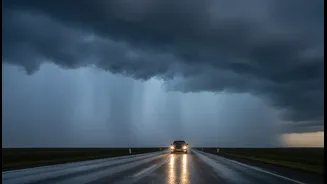
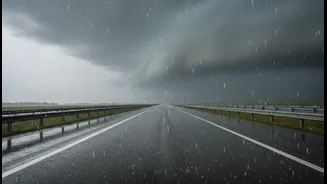
Driving on wet roads demands full attention and a different approach. First, ensure your vehicle is ready for the rain by checking your tires, wipers, and headlights. When you're on the road, the most important rule is to slow down. Wet roads reduce tire traction, increasing the risk of hydroplaning, where your vehicle slides uncontrollably on a thin layer of water. To avoid this, reduce your speed and maintain a much larger following distance from the vehicle ahead. Turn on your low-beam headlights to improve your visibility and help other drivers see you. Avoid using cruise control, as it can make it harder to respond if your car begins to hydroplane.
Navigating Waterlogged Roads and Flooded Areas
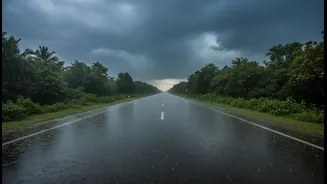
One of the biggest dangers of monsoon driving is encountering flooded roads. It is impossible to judge the depth of standing water, which may conceal deep potholes or other hazards. The safest action is always to turn around and find an alternate route. Driving through even a few inches of water can cause you to lose control of your vehicle, and deeper water can damage your engine or even sweep your car away. If you start to hydroplane, do not brake suddenly or turn the wheel. Instead, gently ease your foot off the accelerator and steer straight until you feel your tires regain traction. If you must brake on a wet road and do not have anti-lock brakes, tap the pedal lightly rather than slamming it.
Before You Leave: A Pre-Travel Checklist
A little preparation can make a huge difference. Before starting your journey, check the latest district-level weather alerts from the IMD. Don't rely on a general forecast. Plan your route and identify areas that are known to be prone to flooding or landslides. It is wise to inform a family member or friend about your travel route and expected arrival time. Pack an emergency kit containing essentials like a first-aid kit, drinking water, dry snacks, a powerful torch, and a fully charged power bank for your phone. Also ensure your vehicle's documents and emergency contact numbers are easily accessible.