




The Smarter, Simpler Choice
For years, the goal for many gardeners was to cultivate beautiful, often exotic, species. But this often comes at a high price in terms of effort and resources. A growing movement is embracing a simpler, more intelligent approach: planting species that
are native to India. These plants have evolved over millennia to thrive in our specific local climates, soils, and weather patterns. The result is a garden that works with nature, not against it. Native plants generally require significantly less water, fertilizer, and pesticides compared to non-native species. Because they are already adapted to conditions like the Indian summer heat or monsoon season, they are more resilient and require far less fuss. This means you spend less time battling pests and watering schedules, and more time simply enjoying your green space.
Create a Backyard Ecosystem
When you plant native species, you are doing more than just beautifying a space; you are creating a vital habitat. Native plants provide the specific food, shelter, and breeding grounds for local wildlife, including birds, butterflies, bees, and other beneficial insects. Species like the Jamun tree attract birds, while native flowers like marigolds and hibiscus provide nectar for pollinators. By contrast, many non-native ornamental plants offer little to no value for local wildlife. Turning a portion of your garden over to native plants can create a vibrant ecosystem, inviting the flutter of butterflies and the sound of birdsong. This act of gardening becomes a powerful tool for supporting biodiversity right at your doorstep, helping to balance out habitat loss from urbanization.
Redefining Garden Beauty
The idea that native plants are somehow less spectacular than their foreign counterparts is a myth worth busting. India's native flora is astonishingly diverse and beautiful. From the fiery blooms of the Gulmohar (Flame of the Forest) and the delicate, fragrant flowers of the Parijat (Night-flowering Jasmine) to the iconic beauty of the Indian Lotus, there is no shortage of stunning options. Native plants offer a different kind of aesthetic—one that feels authentic and harmonious with the surrounding landscape. A garden filled with native species like Neem, Peepal, or the Indian Laburnum (Amaltas) connects us to our cultural and ecological heritage. These are plants that are deeply woven into the fabric of Indian life, seen in art, used in Ayurveda, and revered for centuries.
Easy Steps to Get Started
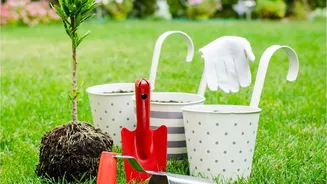
Making the switch to native gardening doesn't require a complete overhaul. You can start small. Begin by identifying a small section of your garden or a few pots on your balcony to dedicate to native species. The key is to choose plants that suit your specific conditions—the amount of sunlight, your soil type, and your region's climate. A plant native to the humid Konkan coast might struggle in the dry heat of Rajasthan, so local knowledge is key. Many local nurseries are now increasing their stock of native plants, and online communities and gardening groups can be fantastic resources for sourcing plants and advice. Focus on robust, low-maintenance options to begin with. Plants like Tulsi (Holy Basil), Curry Leaf (Kadi Patta), and various types of Jasmine (Mogra/Chameli) are excellent choices that are both useful and easy to grow.
Top Native Plants for Your Home
Ready to begin? Here are a few reliable and beautiful native plants that are perfect for Indian home gardens: Marigold (Genda): This cheerful, easy-to-grow flower is a staple in Indian culture and a favourite for attracting pollinators. Hibiscus (Gurhal): Available in a variety of colours, this hardy shrub produces beautiful blooms and thrives in the heat. Parijat (Night-flowering Jasmine): Known for its intoxicatingly fragrant flowers that bloom at night and carpet the ground in the morning. Aparajita (Butterfly Pea): A stunning vine with deep blue flowers, this plant is incredibly easy to grow and is a resilient climber. Tulsi (Holy Basil): A must-have in many Indian homes, it's revered for its medicinal properties and is a natural pest repellent.