






The Ghost and The Funk
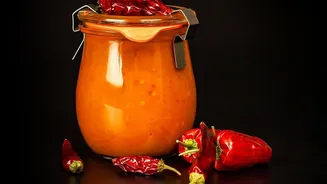
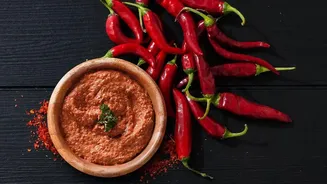
At the heart of this trend are two stars: Bhut Jolokia and a family of traditional fermented condiments. Once certified as the world's hottest chilli, the Bhut Jolokia, or ghost pepper, is more than just a measure of heat. Beneath its formidable spice
lies a unique flavour profile that is subtly smoky, fruity, and even a little sweet. This complexity allows it to do more than just scorch the palate; when used skillfully, it balances and enhances a dish. Alongside this fiery icon is a world of umami-rich fermented products. The most prominent is Axone (or Akhuni), a fermented soybean paste from Nagaland with a powerful, pungent aroma and a deep savoury taste. Similarly, fermented bamboo shoots—known as Khorisa in Assam, Soibum in Manipur, and Bastenga in Nagaland—offer a characteristic sour and tangy dimension. These ingredients, traditionally used to preserve food and add depth to regional dishes, are now finding a new stage.
From Traditional Kitchens to Urban Menus
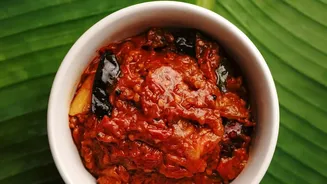
For generations, Bhut Jolokia and fermented condiments were staples in the home kitchens of Northeast India, used in everything from chutneys and pickles to hearty meat and fish curries. Their journey into the mainstream is part of a larger, welcome shift in India’s culinary landscape: a growing curiosity and appreciation for the nation's vast regional diversity. Chefs and restaurateurs are acting as cultural ambassadors, looking inward to find inspiration. This has led them to the unique flavours of Nagaland, Manipur, Assam, and neighbouring states. Pop-ups in cities like Bengaluru and Delhi, led by chefs from the Northeast, are introducing diners to these ingredients through tasting menus and community-style lunches that go far beyond stereotypes. Restaurants are now sourcing ingredients like authentic fermented bamboo shoots and various chilli varieties directly from farmers and vendors in the region, ensuring the flavours are true to their origin.
A Balancing Act on the Plate
Incorporating these intense flavours into a café or modern restaurant setting requires a delicate balancing act. It’s not about overwhelming diners, but about introducing complexity. A novice might be wary of Axone’s strong smell or Bhut Jolokia's reputation, but chefs are using them to build layers of flavour. You might find Bhut Jolokia infused into a hot sauce for momos, used to smoke pork ribs, or even as the base for an innovative Sriracha-style condiment. The goal isn't just heat, but a memorable taste. Similarly, the deep umami of Axone or the tang of fermented bamboo shoots are being used to enrich broths, stews, and sauces, providing a savoury depth that might otherwise require a long list of seasonings. They are finding their way into pork and chicken curries, often paired with ingredients like black sesame or yam to create a well-rounded dish.
More Than a Trend
This culinary movement is about more than just novelty. It represents a powerful cultural bridge, challenging outdated and narrow perceptions of Northeast Indian cuisine. For a long time, the food of the region was often misunderstood, sometimes unfairly reduced to just its most pungent or spicy elements. By placing these ingredients in the spotlight, urban eateries are celebrating the ingenuity of ancestral food techniques like fermentation. It provides a platform for chefs from the region to share their heritage and for a wider audience to connect with it. This rising popularity fosters pride and creates a new economic avenue for local producers. As diners become more adventurous, the demand for these authentic, organic ingredients grows, supporting the communities that have cultivated them for centuries.