


What Exactly is Palm Jaggery?
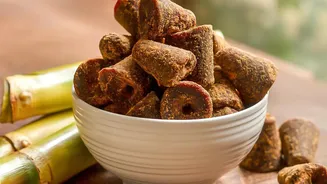
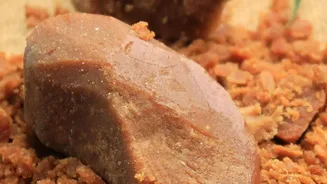
Palm jaggery, known regionally as 'Karupatti' or 'Nolen Gur', is an unrefined natural sweetener made from the sap of palm trees like palmyra, date, or coconut palms. Unlike refined sugar, which undergoes intensive chemical processing, palm jaggery is made using
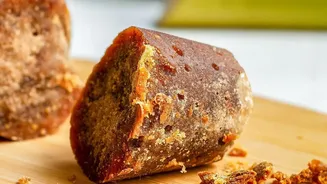
traditional methods. The sap is collected and boiled in large vats until it thickens and solidifies. This minimal processing means it retains many of the minerals and vitamins present in the palm sap. The final product is a block of dark, crystalline sweetness with a complex flavour profile that has notes of caramel, molasses, and even a hint of smokiness. It’s this rich, earthy taste that sets it apart from the one-dimensional sweetness of white sugar.
The Health Halo: Why Is It Trending?
The shift towards palm jaggery is largely driven by health-conscious consumers. It's often touted for its nutritional benefits over refined sugar, which provides only 'empty calories'. Palm jaggery is a source of essential minerals like iron, magnesium, potassium, and calcium. Traditionally, it has been used in Ayurveda to boost immunity, aid digestion, and cleanse the body. Another significant factor is its lower glycemic index (GI). Sources suggest palm jaggery has a GI around 35-43, while refined sugar's GI is much higher at about 60-70. This means it releases sugar into the bloodstream more slowly, avoiding the sharp spikes and subsequent crashes associated with white sugar. This makes it a popular choice for those managing their blood sugar levels, though moderation is still advised.
Palm Jaggery in the Home Bakery
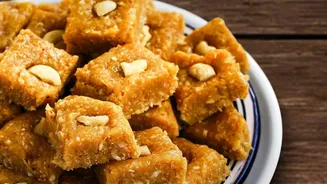
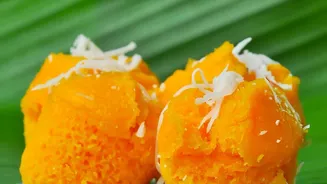
For home bakers, palm jaggery is more than just a healthier substitute; it's a flavour enhancer. Its deep, caramel-like notes add a rustic complexity to baked goods that white sugar cannot replicate. It pairs exceptionally well with whole grains like wheat and ragi, and spices like cinnamon and cardamom. The growing trend of home bakeries focusing on 'clean' and traditional ingredients has propelled its popularity. Bakers are using it to create healthier versions of everything from classic cakes and cookies to traditional Indian sweets like 'payasam' and 'laddoos'. Its natural dark colour gives bakes a beautiful, chocolate-like hue without any artificial colouring. While it can often be substituted one-for-one with sugar, it's important to use powdered or melted jaggery to ensure it mixes evenly into batters and doughs.
Making the Switch: What to Know
While palm jaggery offers more nutritional value, it is crucial to remember that it is still a form of sugar and contains a similar number of calories. Health experts advise that all sweeteners, natural or refined, should be consumed in moderation. When purchasing palm jaggery, look for organic options to ensure they are free from additives. Authentic palm jaggery is typically dark and hard, a sign that it is less processed. It can be found in solid blocks, granulated form, or as a liquid syrup. To use it in baking, it's often best to melt the solid block with a little water to form a syrup or grate it into a fine powder. This ensures a smoother texture in the final product. The move from refined sugar to palm jaggery is not just about health; it's part of a larger movement towards embracing whole, traditional foods and sustainable ingredients that support local economies.