




The modern Indian home has a new center of gravity, and it often has four legs and a tail. For a growing number of young homeowners in cities, pets are not just companions but family, prompting a shift in how homes are designed from the ground up.
From Pet Owners to ‘Pet Parents’
The
change begins with a simple but profound shift in mindset: young urban Indians are increasingly viewing themselves as ‘pet parents’ rather than owners. This trend, known as 'pet humanization', sees animals treated as cherished family members, with their comfort and happiness becoming a top priority. In the fast-paced life of metros like Mumbai, Bengaluru, and Chennai, where nuclear families are common and many millennials are delaying parenthood, pets provide crucial companionship and emotional support. As a result, spending on pet wellness, nutrition, and comfort has soared. This emotional investment is now reshaping the biggest asset of all: the home. Instead of just ‘pet-proofing’ a house, the new approach is to design it with pets' needs as an integral part of the plan from day one.
The New Rules of ‘Barkitecture’
This emerging field, sometimes playfully called ‘barkitecture’, is about creating a harmonious space for everyone. It’s no longer enough to throw a dog bed in a corner; designers are now incorporating custom solutions that are both stylish and functional. This includes built-in feeding stations in kitchen cabinetry to keep bowls off the floor, cozy sleeping nooks tucked under staircases, and even dedicated washing areas near the entrance for muddy paws. For cat parents, this might mean creating safe 'cat-highways' or vertical climbing shelves that cater to their natural instincts without compromising on aesthetics. The goal is to make pet-related elements look intentional and integrated, rather than like cluttered afterthoughts.
Materials That Withstand Claws and Chaos
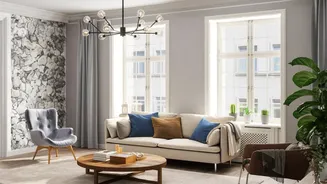
A stylish pet-friendly home is built on a foundation of durable materials. Designers are moving away from surfaces that are easily damaged. For flooring, vitrified tiles and high-quality laminate are popular choices as they resist scratches from claws and are easy to clean, a must for shedding and occasional accidents. When it comes to furniture, the choice of fabric is crucial. Tight-weave performance fabrics, microfiber, and leatherette are in demand because they don't snag easily and can be wiped clean. Softer materials like velvet or loose-weaves like linen, which act as fur magnets, are being used more sparingly. Even wall paints are getting an upgrade, with washable semi-gloss or satin finishes being used in high-traffic pet areas.
Safety, Comfort, and Well_being by Design
Beyond aesthetics and durability, pet_centric design prioritizes the animal's well_being. This involves a thoughtful approach to every element in the home. For instance, selecting non_toxic, pet_safe indoor plants like areca palms and spider plants is becoming standard practice. Furniture with rounded edges is preferred to prevent injuries during playful moments. For homes with balconies—a common feature in metro apartments—installing sturdy meshes or grills is a non_negotiable safety measure. Designers also consider the pet's daily routine and habits, observing where they like to sleep or play to ensure these areas are comfortable and made with the right materials. It’s a holistic approach that ensures the home is a true sanctuary for its furry inhabitants.