




In the quest for healthier eating, we often ask: which vegetable is better? But when comparing nutritional powerhouses like carrots and spinach, the answer isn't a simple choice. The real winner depends on what your body needs and how you cook.
The Case for Carrots: A Vitamin A Powerhouse
Carrots
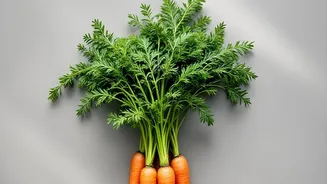
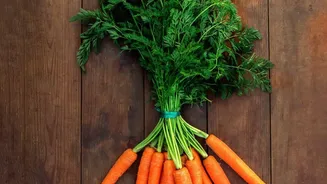
are most famous for one thing: beta-carotene. This is the compound that gives them their bright orange hue and the same one your body converts into Vitamin A. Vitamin A is an absolute hero for our health, playing a crucial role in maintaining good vision (especially in low light), supporting a strong immune system, and promoting healthy cell growth. A single serving of carrots can often meet your entire daily need for Vitamin A. Beyond that, carrots are a great source of fibre, which helps with digestion and can keep you feeling full, making them an excellent, crunchy snack. They also provide other important nutrients like potassium and vitamin K1.
The Power of Spinach: More Than Just Iron
Spinach has a long-standing reputation for being rich in iron, and for good reason. It contains significantly more iron than many other leafy greens. But its benefits don't stop there. Spinach is loaded with Vitamin K, which is essential for bone health and proper blood clotting; in fact, a single leaf can provide over half your daily need. It's also packed with folate (a key B vitamin), Vitamin C, calcium, potassium, and magnesium. Furthermore, spinach delivers powerful antioxidants like lutein and zeaxanthin, which are known to protect eye health by filtering harmful light and may reduce the risk of conditions like cataracts.
The Raw vs. Cooked Debate
Here’s where the 'one is not always better' rule really comes to life. How you prepare these vegetables dramatically changes the nutrients your body can access. Raw carrots are fantastic for fibre and their full dose of Vitamin C, which is sensitive to heat. However, cooking carrots breaks down their tough cellular walls, which makes the beta-carotene much easier for your body to absorb. One study found that cooking carrots can increase available beta-carotene by a significant margin. Spinach follows a similar but distinct logic. Raw spinach gives you more folate and Vitamin C, as these nutrients can be lost during cooking. But raw spinach also contains a compound called oxalic acid, or oxalates. These can bind to minerals like iron and calcium, making them less available for your body to absorb. The good news is that cooking, especially steaming or boiling, drastically reduces these oxalates, unlocking more of spinach’s valuable iron and calcium. For instance, you absorb much more calcium from cooked spinach than from raw.
Which Should You Choose?
The best choice truly depends on your personal health goals. Choose carrots if: Your primary goal is to boost your Vitamin A intake for better vision and immune support. Cooked carrots, especially with a little healthy fat like olive oil, are your best bet for maximizing beta-carotene absorption. Choose spinach if: You're focused on bone health (thanks to Vitamin K), need more iron and folate, or want the antioxidant benefits of lutein. If iron and calcium are your priority, lightly cooked spinach is the superior choice. If you have a history of kidney stones, it's wise to moderate your intake of high-oxalate foods like spinach and discuss it with a doctor.