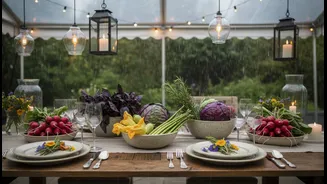




Embrace the Monsoon Mindset
There's a unique magic to the Indian monsoon that goes beyond the relief from summer heat. It’s the earthy smell of petrichor, the rhythmic drumming of rain on the roof, and the universal craving for something warm and comforting. For too long, we've
seen rain as a reason to cancel, to stay in and lament lost opportunities for outdoor fun. But it’s time for a shift in perspective. A rainy weekend is the perfect excuse to explore the culinary soul of your own city or region. It’s an opportunity to trade crowded malls and movie theatres for the intimate, sensory experience of a food trail, where every dish tells a story about the season and the soil.
Beyond the Usual Pakoras and Chai
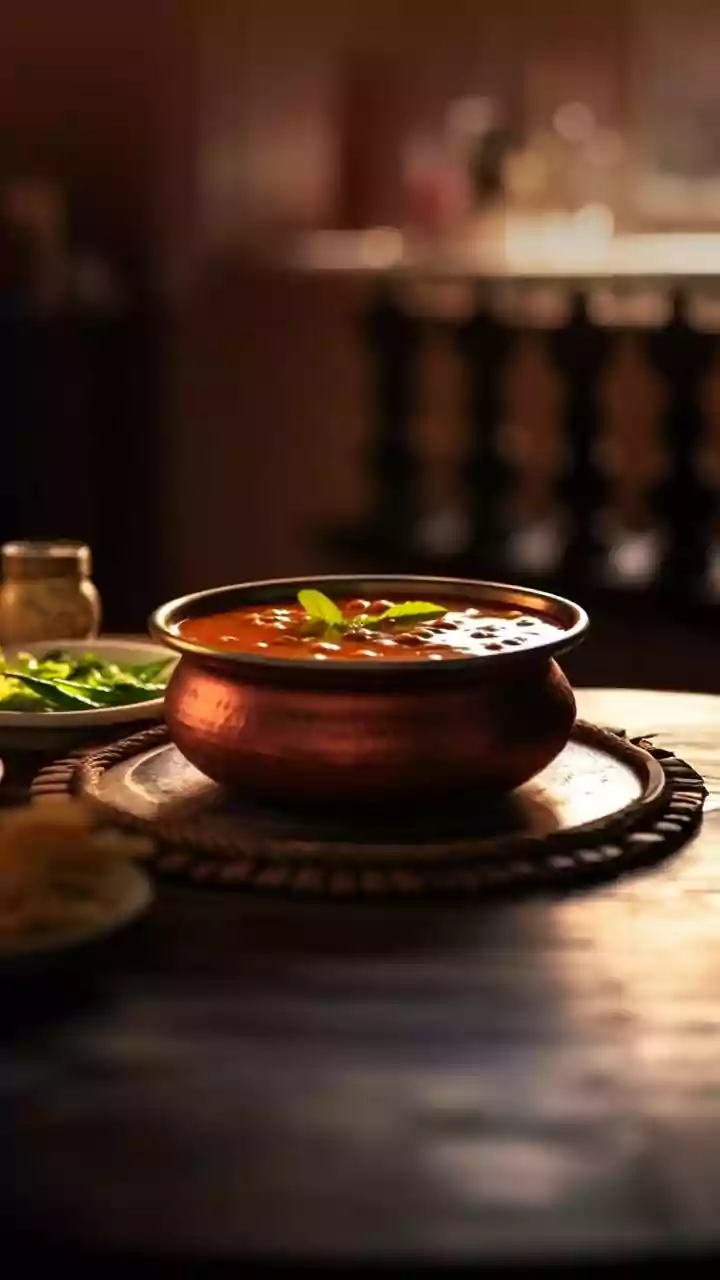
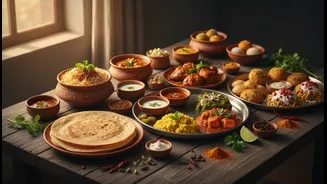
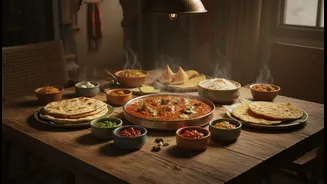
When we think of monsoon food, our minds immediately conjure images of piping hot chai and a plate of crispy pakoras. This combination is a cultural ritual, a comforting reflex to the downpour, and for good reason. From Mumbai's vada pav to Delhi's pakoras and Kolkata's telebhaja, these street-side snacks are the very definition of rainy-day joy. However, the monsoon culinary landscape is far richer and more diverse. Many restaurants and cafes across India are now curating special monsoon menus that go beyond the deep-fried classics. These menus often feature hearty broths, slow-cooked regional specialties, and dishes built around seasonal ingredients that thrive during the rains, such as corn, leafy greens, and certain gourds. Think comforting ramen bowls, wholesome khichdi, and flavourful curries that warm you from the inside out.
The Joy of the Local Food Trail
A food trail is more than just restaurant hopping; it’s a curated journey through a place's gastronomic identity. Instead of a random drive, a planned trail turns a meal into an exploration. It could be a quest for the best seafood curry along a coastal highway, a tour of sweet shops in an old city quarter, or a drive into the hills to sample rustic, farm-fresh meals. Mahabaleshwar, for instance, comes alive with vendors selling pithla bhakri, a simple gram-flour curry with flatbread that feels deeply nourishing on a misty day. In the rain-drenched plantations of Coorg, local restaurants highlight regional ingredients like pepper, cardamom, and wild herbs in their slow-cooked dishes. Creating your own trail is simple: pick a theme—be it a specific dish like biryani or a type of cuisine—and map out a few notable spots. The journey between stops, with the rain-washed landscape as your backdrop, becomes part of the experience.
Inspiration Across India
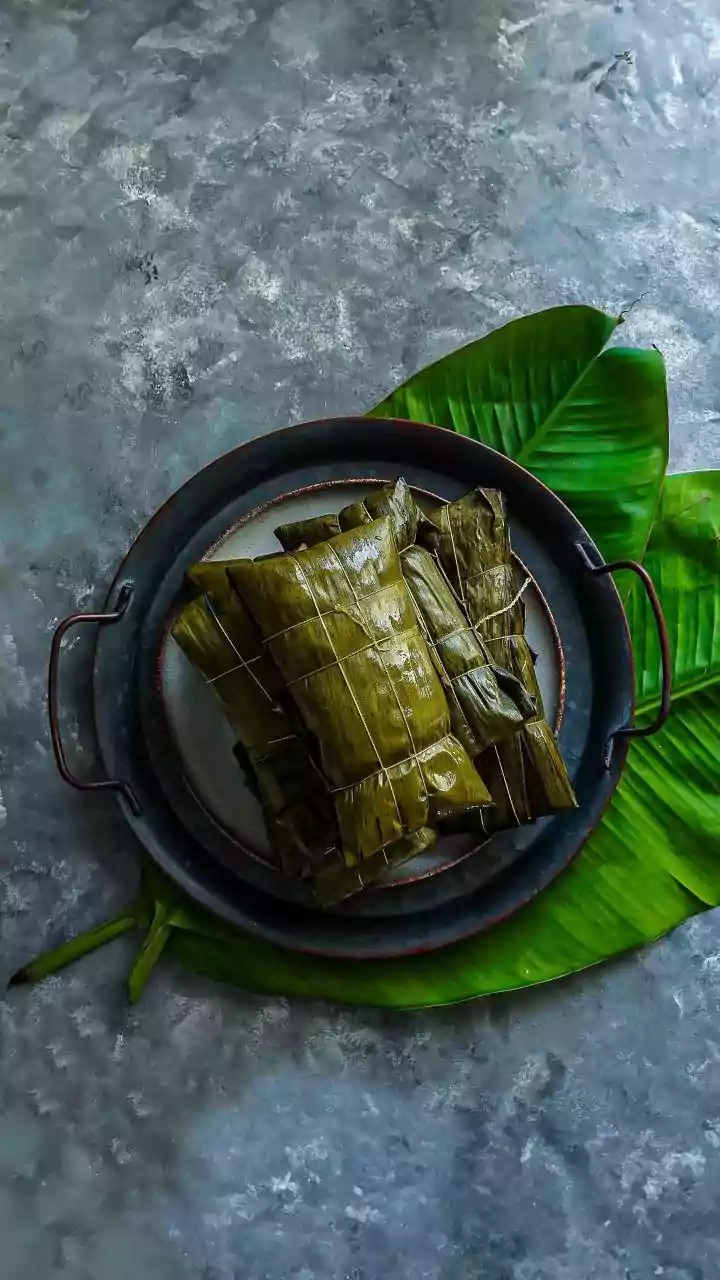
The monsoon transforms the flavour map of India. In Kerala, the rains bring a bounty of fresh catch, making it the perfect time to savour a tangy meen curry. The Northeast celebrates with dishes centered on bamboo shoots, a seasonal delicacy. In Mumbai, eateries roll out menus celebrating everything from street food classics with a gourmet twist to comforting Asian broths and sizzlers. Some establishments even host food festivals dedicated to rainy-day bites, offering classics like vada pav and samosa chaat with a stunning view of the rain-swept sea. In Delhi and Punjab, chefs are reinterpreting traditional comfort foods, offering everything from inventive chaat to hearty Punjabi classics perfect for a cosy meal. These initiatives show a growing appreciation for seasonal, hyperlocal dining that turns the weather into the main event.
More Than Just a Meal
Embracing seasonal menus and local food trails does more than just satisfy a craving. It's a way to connect with the agricultural rhythms of our region. The monsoon determines which crops, like rice and corn, will flourish. By seeking out dishes that use these seasonal ingredients, we are eating in sync with nature. Furthermore, it’s a powerful way to support local economies. Choosing to dine at a small, family-run restaurant that specialises in regional fare or buying from a roadside bhutta-seller helps sustain the small businesses that form the backbone of India's culinary culture. It’s a conscious choice to invest in the authenticity and diversity of our own food landscape, ensuring these unique flavours and traditions continue to thrive.