






What Exactly Is a Planetary Alignment?
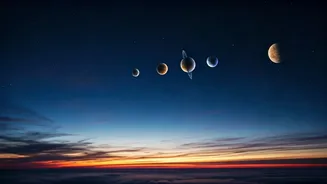
First, let's clear up a common misconception. A planetary alignment isn't about planets forming a perfectly straight line in space—that's an event of almost impossible rarity. Instead, it refers to a phenomenon where several planets appear close together
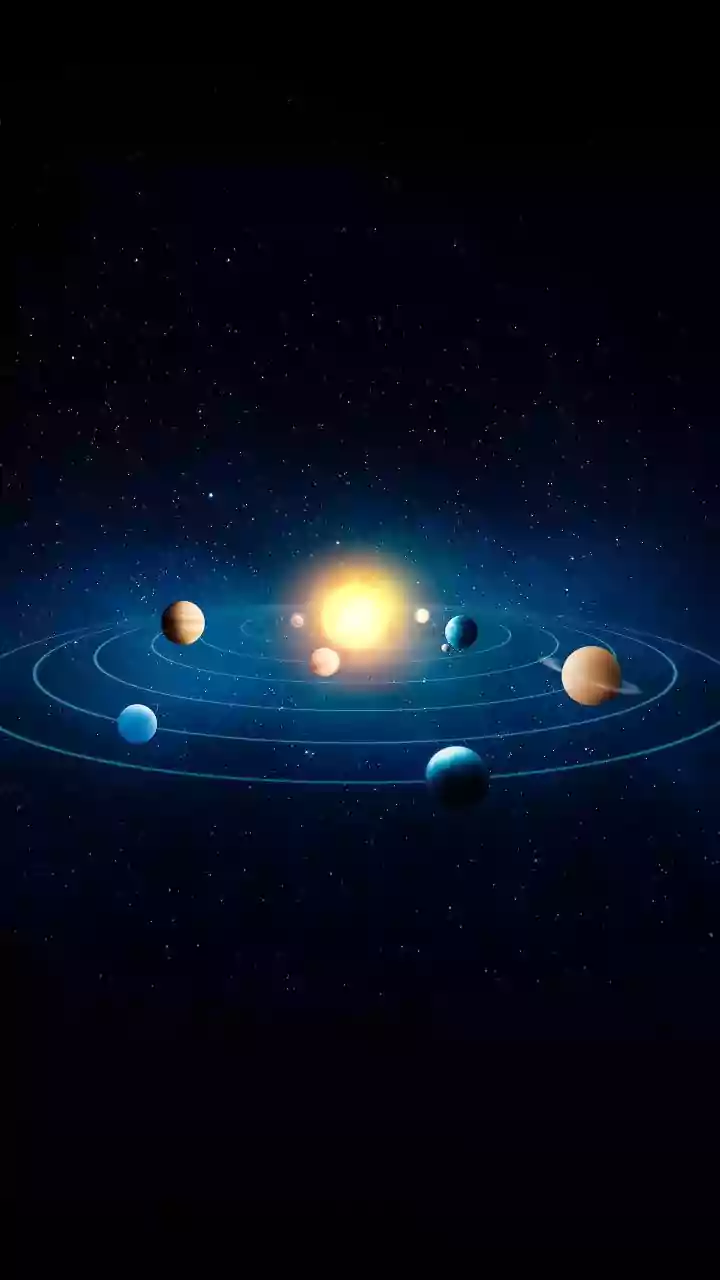
in a small section of the sky from our vantage point on Earth. Think of it as a cosmic photo opportunity. The planets in our solar system all orbit the Sun on a relatively flat plane, called the ecliptic. As they travel on their individual paths at different speeds, they occasionally appear to bunch up in the same area of our night sky. This upcoming event is special because it involves several planets, including some that are not always easy to spot, gathered in one convenient viewing window.
The Celestial Lineup: Which Planets to Spot
This particular alignment is a treat, featuring a cast of five planets. The brightest and easiest to find will be Venus and Jupiter. Venus, often called the “Evening Star,” will be dazzlingly bright near the horizon. Jupiter will also shine brilliantly, making it unmistakable. Joining them will be Mars, identifiable by its faint reddish hue. The real challenge, and what makes this event exciting for sky-watchers, is spotting Mercury and Uranus. Mercury is elusive because it always stays close to the Sun, so it's only visible for a short period in the twilight glow. Uranus is so dim that it typically requires binoculars or a telescope to be seen. Seeing all five in one go is what makes this a noteworthy astronomical event.
Your Viewing Guide: When and Where to Look
Timing and direction are everything. The best time to watch is shortly after sunset. You’ll need to look towards the western horizon. The viewing window is brief but spectacular. For most locations in India, the ideal time will be between 30 to 60 minutes after the sun has fully set. This is when the sky is dark enough to see the planets, but before they begin to sink below the horizon themselves. The entire formation will span about 50 degrees of the sky—roughly the width of your outstretched hand held at arm’s length. Venus and Jupiter will be your anchor points, so find them first, and then look for the others in their vicinity. Be sure to start your search before it gets too late, as planets closer to the horizon, like Mercury, will disappear first.
Do I Need a Telescope?
Not necessarily! The beauty of this alignment is that much of it is accessible to the naked eye. Jupiter and Venus will be impossible to miss due to their brightness. Mars will also be visible without any equipment, though it will appear as a small, star-like point with a reddish tint. However, to truly get the most out of this experience, a pair of binoculars or a small telescope will be a game-changer. Binoculars will make it much easier to pick out Mercury from the twilight glow and will be essential for spotting the faint, greenish-blue dot that is Uranus. If you have a telescope, you might even be able to see Jupiter’s four largest moons—Io, Europa, Ganymede, and Callisto—appearing as tiny pinpricks of light right next to the giant planet.
Tips for the Best Experience
To maximise your chances of a great viewing, follow these simple tips. First, find a location with a clear, unobstructed view of the western horizon. Tall buildings, trees, and hills can block your line of sight. Second, get away from city lights. Light pollution washes out fainter objects, so a darker location in the countryside or a park will offer a much better view. Third, give your eyes time to adjust. It takes about 15-20 minutes for your eyes to become fully adapted to the dark, so be patient. Finally, consider using a stargazing app on your smartphone. Apps like Stellarium, SkyView, or Star Walk can use your phone's GPS to show you exactly where to point to find each planet in real-time.