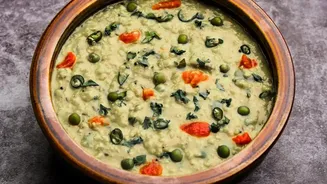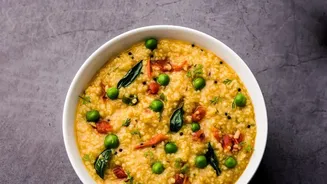

In the world of Indian comfort food, Dalia and Khichdi reign supreme. Both are celebrated as wholesome, easy-to-digest meals, but they are not the same. Let's break down the simple differences between these two beloved household staples.
The Fundamental Ingredient Difference
At its core, the
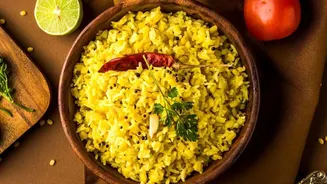
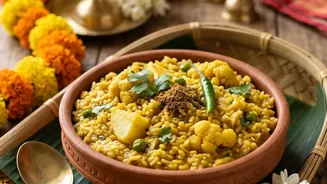
main distinction between Dalia and Khichdi lies in their primary ingredients. Dalia is a single-ingredient star: it's made from broken or cracked wheat. Think of it as a type of whole-grain cereal that retains its nutrient-rich bran and germ. It’s typically cooked into a porridge-like consistency, which can be made either sweet or savoury. Khichdi, on the other hand, is a combination dish. Its foundation is a mix of rice and lentils, most commonly moong dal (split mung beans). This pairing of a cereal (rice) and a legume (lentil) is what defines Khichdi, creating a complete meal in one pot. While you might hear of 'Dalia Khichdi', this is a modern variation where dalia replaces the traditional rice.
A Nutritional Showdown
Both dishes are nutritional powerhouses, but they serve different primary purposes. Dalia's main strength is its high fibre content, thanks to the whole wheat grain. It is a complex carbohydrate with a low glycemic index (GI), meaning it releases energy slowly, keeps you feeling full for longer, and helps manage blood sugar levels. This makes it an excellent choice for weight management and for individuals with diabetes. Khichdi's nutritional claim to fame is its complete protein profile. The combination of rice and lentils provides all the essential amino acids your body needs, making it a perfect plant-based protein source. It is famously easy to digest, which is why it's the go-to meal during illness or for those with a sensitive gut. Adding vegetables and a tempering of spices like turmeric can further boost its anti-inflammatory and nutritional properties.
Preparation and Flavour Profile
The way these two dishes are prepared also sets them apart. Dalia can be very simple. A sweet dalia might just involve roasting the cracked wheat in a little ghee and then simmering it with milk and sugar or jaggery, often flavoured with cardamom. Savoury dalia is typically cooked with water, basic tempering of cumin seeds, and sometimes vegetables like peas and carrots. Khichdi is almost always a savoury, one-pot meal. The process usually involves sautéing spices like cumin seeds, turmeric, and ginger in ghee, then adding the rinsed rice and dal, along with vegetables. The mixture is then cooked with water until it reaches a soft, often mushy, consistency. While a basic khichdi is simple, it can also be made rich and elaborate with a variety of spices, vegetables, and a generous dollop of ghee on top.
When to Eat Which?
While both are versatile, they have traditional roles in the Indian diet. Dalia, particularly the sweet version, is a popular breakfast food, offering sustained energy to start the day. Its high-fibre, savoury version makes for a light and filling lunch or dinner. Khichdi is more often seen as a complete meal for lunch or dinner. Its reputation as 'comfort food' is wellstearned; it's the dish many turn to when feeling unwell or in need of something nourishing and gentle on the stomach. In Ayurveda, khichdi is considered a balancing and detoxifying food. The dish also holds cultural and religious significance, sometimes prepared for specific festivals or as an offering.