



The Timeless Allure of Linen
There's a reason interior designers have long cherished linen. Made from the flax plant, it's one of the strongest natural fibres available, meaning it’s incredibly durable and long-lasting. Unlike other fabrics, linen gets softer and more lustrous with
every wash. Its natural, slightly wrinkled texture adds a layer of relaxed sophistication that feels both high-end and inviting. Linen is also highly breathable and hypoallergenic, making it a practical and healthy choice for your home. Its ability to stay cool in summer and provide warmth in winter makes it perfect for year-round comfort.
A Smart, Sustainable Choice
In a world where textile waste is a growing concern, upcycling is a powerful way to make a difference. Giving old fabric a new life reduces landfill waste and lessens the demand for new production. Repurposing scrap linen—whether from old tablecloths, clothing, or remnant bins at a fabric store—is a creative and cost-effective way to get high-quality decor. It's a mindful approach to decorating that imbues your home with a personal story and a commitment to sustainability, turning what was once waste into something beautiful and functional.
Finding and Prepping Your Fabric
Sourcing scrap linen can be a treasure hunt. Check your own closets for linen shirts or trousers that are no longer worn. Thrift stores are another fantastic source for old linen tablecloths or curtains that have beautiful, soft textures. Many fabric stores sell 'remnants' or scrap bags at a significant discount, which are perfect for smaller projects like napkins. Once you have your material, it’s best to wash and dry it. This pre-shrinks the fabric and ensures any future creations will hold their size and shape. The wash will also enhance linen's natural softness.
Crafting Simple, Elegant Napkins
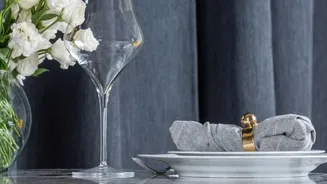
Making cloth napkins from linen scraps is a surprisingly simple project, even for a sewing novice. For a rustic, frayed-edge look, simply cut your fabric into squares of your desired size—a standard dinner napkin is around 18x18 inches. Then, pull a few threads from each edge to create a soft fringe. No sewing machine required. For a more polished finish, you can create a simple double hem by folding the edge over twice and stitching it down. This technique creates a clean, durable border that looks professional and prevents fraying. These handmade napkins add a personal, luxurious touch to any table setting, even if it's just for your morning coffee.
Designing a Cozy Linen Throw
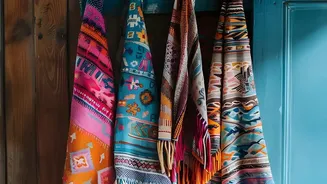
A linen throw adds an instant layer of comfort and style to any sofa or armchair. For this project, you'll need larger pieces of fabric. You can turn a single large piece, like a vintage linen sheet or tablecloth, into a throw by simply finishing the edges with a fringe or a simple hem. If you only have smaller scraps, consider a patchwork approach. Sewing different but complementary pieces of linen together can create a unique, quilt-like throw that tells a story. For extra coziness, you can back the linen with a soft flannel. The resulting piece will feel substantial, almost like a light weighted blanket, perfect for snuggling.
Styling Your New Linen Pieces
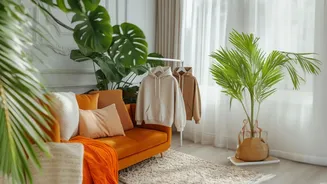
Once your creations are ready, it’s time for the fun part. The beauty of linen is its versatility. Drape your new throw effortlessly over the arm of your sofa or the back of an accent chair for a relaxed, lived-in feel. It instantly softens the lines of the furniture and adds inviting texture. You can also fold it neatly and place it at the foot of a daybed or across a bench. Your linen napkins aren't just for the dining room; use one to line a breadbasket on your coffee table or place it under a vase of flowers for a pop of texture. Layering these pieces with other natural materials like wood, jute, or rattan will create a cohesive, calming, and effortlessly chic living space.