






The Monsoon's Gradual Goodbye
The end of the monsoon isn't like flipping a switch. Instead of a sudden stop, the season enters a withdrawal phase that begins in the northwestern parts of India around early September and slowly progresses across the country over several weeks. This
retreat means the vast, thick cloud cover that acted as a sunshade for months begins to break apart and disappear. This process itself sets the stage for a significant change in weather, but it’s not the cooler, crisper days of autumn just yet. Instead, it’s the beginning of a transitional period often referred to as the 'September heat' or, in some regions, the precursor to 'October heat'.
The Real Culprit: Humidity
The primary reason for September's oppressive heat is the lingering humidity. The monsoon may have retreated, but it leaves behind a huge amount of moisture in the atmosphere. Our bodies cool down by sweating; as sweat evaporates from our skin, it takes heat with it. However, when the air is already saturated with moisture, this evaporation process slows down dramatically. Sweat clings to the skin, and we're unable to cool off effectively, making the air feel much hotter and more suffocating than the actual temperature reading on a thermometer.
Introducing the 'Feels Like' Temperature
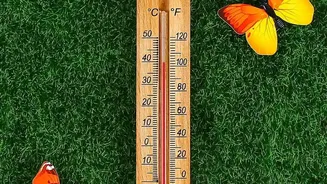
This sensation is so significant that meteorologists have a specific term for it: the heat index, or the 'apparent temperature'. The India Meteorological Department (IMD) has started using this metric to provide a more accurate picture of heat stress. The heat index combines air temperature with relative humidity to calculate what the temperature actually feels like to the human body. For example, a day with a temperature of 35°C but very high humidity could have a heat index or 'feels like' temperature of well over 40°C. This is the scientific explanation for why you feel drained and overheated in September, even if summer's peak temperatures have passed.
The Sun's Unfiltered Power
With the monsoon clouds gone, the sun’s rays beat down directly and with greater intensity. This direct solar radiation heats the ground and the air much more efficiently. When this intense sunlight combines with the high humidity already in the air, it creates a potent and uncomfortable combination. You're getting the full force of the sun without the cooling relief that low humidity provides. This one-two punch of direct sun and trapped moisture is the signature of the post-monsoon heat spell. Forecasts for September 2026 suggest a warmer-than-usual month with below-normal rainfall, indicating these conditions may be particularly noticeable.
Changing Winds and City Heat
Other factors also play a role. As the monsoon system withdraws, wind patterns change. The strong, moisture-laden southwesterly winds are replaced by weaker or sometimes warmer local winds that do little to disperse the heat and humidity. In urban areas, this is amplified by the 'urban heat island' effect, where concrete and asphalt absorb and retain more heat than natural landscapes, making cities feel even warmer. This combination of large-scale atmospheric changes and local urban factors makes September a uniquely uncomfortable month for many.