





The Challenge with Traditional CVs
For decades, the paper CV has been the cornerstone of any job application. We’ve all spent hours perfecting the font, agonising over bullet points, and trying to cram years of experience onto one or two pages. But let’s be honest: in today’s hyper-competitive
job market, a paper CV can feel flat. It’s a list of qualifications, not a portrait of a person. It can't convey your enthusiasm, your communication style, or your cultural fit. Recruiters, often buried under hundreds of similar-looking documents, are increasingly looking for ways to cut through the noise and find candidates who bring more than just keywords to the table. While the traditional CV isn't dead, its monopoly on the hiring process is certainly being challenged.
Why Video is a Game-Changer
A video introduction, typically a 60-to-90-second clip, allows you to speak directly to the hiring manager. It’s your chance to deliver a compelling 'elevator pitch' that a written document simply cannot match. This format is incredibly effective at showcasing soft skills—like communication, confidence, and passion—which are often the deciding factors in hiring decisions. For recruiters, a video offers a glimpse into your personality and professional demeanour before they even schedule an interview. It helps them gauge your energy and see if you would genuinely thrive in their company culture. In a world of remote work and digital-first interactions, being able to present yourself effectively on camera is a skill in itself, and a video intro proves you have it.
Your Guide to a Killer Video Intro
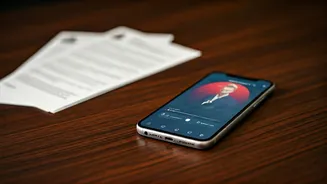
The idea of recording yourself might sound daunting, but creating a powerful video introduction is easier than you think. You don’t need a professional film crew or expensive equipment; your smartphone is perfectly fine. The goal is to appear authentic and professional. Focus on a simple, clean background that isn't distracting. Position yourself in a well-lit area, preferably facing a window for soft, natural light. Frame the shot from the chest up and look directly into the camera lens, not at your own image on the screen. This creates a direct, engaging connection with the viewer. Dressing in professional attire, just as you would for an in-person interview, signals that you are taking the opportunity seriously.
Scripting for Success
While you don't want to sound robotic, having a clear structure is crucial. A good script helps you stay focused and ensures you cover the most important points within the short time frame. A simple and effective structure is:
1. Introduction: Start with your name and the specific role you are applying for.
2. The Hook: Briefly state what excites you about this specific company or role. Make it genuine. Did their recent project impress you? Do you align with their company mission?
3. Your Value Proposition: In one or two sentences, highlight your most relevant skill or experience. Connect it directly to the needs of the job description. What problem can you solve for them?
4. Call to Action: End with a confident and forward-looking statement. For example, “I’m eager to discuss how my skills in digital marketing can contribute to your team’s success.”
Practice, Polish, and Perform
The key to a great delivery is practice. Run through your script several times until you feel comfortable and the words flow naturally. The aim is not to memorise it perfectly but to internalise the key points so you can speak conversationally. Record a few practice takes and watch them back. Are you speaking clearly? Is your energy positive? Are you smiling? Pay attention to your body language—sit up straight and use subtle hand gestures if it feels natural. When you’re ready, take a deep breath, smile, and record your final version. A little bit of nervous energy is fine, but the confidence that comes from preparation will shine through.