








The Pacific’s Fever and India’s Monsoon
El Niño, which means “the little boy” in Spanish, is a natural climate phenomenon characterised by the unusual warming of surface waters in the central and eastern Pacific Ocean. This isn't just a distant weather event; it has global consequences. For
India, the stakes are particularly high. A strong El Niño can weaken the atmospheric circulation that drives the southwest monsoon, which delivers about 70% of India's annual rainfall. With meteorologists forecasting a strengthening El Niño through late 2026 and into 2027, the risk of a drier, hotter season is growing, putting the country on alert.
A Looming Threat for the Harvest
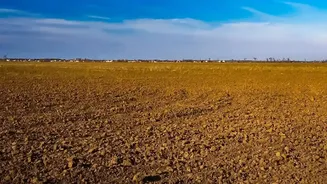
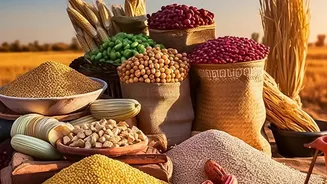
Agriculture, the backbone of the Indian economy and the livelihood for millions, is on the front line. Nearly half of India's farmland is rain-fed, making it highly vulnerable to a weak monsoon. The current Kharif season is already under threat, with concerns mounting over a diminished harvest of key crops like rice, pulses, cotton, and maize. A rainfall deficit, which as of mid-September is already significant, can lead to delayed sowing, stunted crop growth, and lower yields. This directly impacts farmers' incomes and the nation's food security. Lower agricultural output inevitably puts upward pressure on food prices, a ripple effect that is felt in every Indian household's budget.
Pressure on Taps and Power Grids
The impact of a weak monsoon extends far beyond the fields. Deficient rainfall leads to lower water levels in the country’s major reservoirs. This creates a double crunch: it strains the drinking water supply for bustling cities and reduces the capacity for hydroelectric power generation, a vital component of India's energy mix. The combination of extreme heat, which often accompanies El Niño years, and potential power shortages can disrupt daily life and industrial activity. Furthermore, health risks increase. The World Health Organization has flagged India as being at high risk from El Niño's effects, which can include heatstroke and a rise in vector-borne diseases like dengue and malaria.
Is India Prepared for the Challenge?
The government is not waiting for the crisis to unfold. Recognising the threat, authorities have launched extensive preparedness strategies. The Centre, in coordination with state governments and scientific bodies, has identified hundreds of vulnerable districts for targeted interventions. These District Agriculture Contingency Plans include promoting drought-resistant crop varieties, ensuring the availability of seeds for potential re-sowing, and strengthening water conservation efforts through programs like MGNREGA. Agriculture Minister Shivraj Singh Chouhan has spoken of creating a “protective shield for farmers,” emphasising proactive measures over panic. The goal is to use scientific planning and coordinated action to minimise the impact on farmers and the wider economy.