



The Right Foundation: Pots and Soil
Success during the rainy season starts from the ground up. The biggest challenge is excess water, which can lead to root rot. Your first line of defence is a pot with excellent drainage. Terracotta pots are a great choice as they are porous and allow
soil to breathe. Ensure any pot you use has multiple drainage holes at the bottom. To prevent waterlogging, you can elevate your pots on bricks or 'pot feet', allowing water to escape freely. Garden soil is too dense for containers; it compacts easily and retains too much water. Instead, create a light, airy potting mix. A reliable, beginner-friendly recipe combines potting soil, compost for nutrients, coco peat for moisture retention, and perlite or coarse sand to ensure water drains away quickly. This balanced mix gives roots access to both moisture and the air they need to thrive.
Rethinking Your Watering Routine
During the monsoon, your watering can might just get a vacation. One of the most common mistakes is watering your plants on a fixed schedule. If your balcony receives even a moderate amount of rain, your pots may already be saturated. Overwatering is the fastest way to invite root rot and fungal diseases. Before you even think about watering, check the soil first. Push your finger about an inch into the soil; if it feels damp, your plant does not need more water. Let the top layer of soil dry out slightly between waterings. This simple habit is crucial for managing moisture and keeping your herbs healthy through the wet season.
Sunlight and Shelter Strategy
While rain is abundant, sunlight can be scarce during the monsoon. Both basil and mint need a good amount of light to flourish—ideally around six hours a day. Observe your balcony to find the brightest spot that gets consistent, if indirect, light. At the same time, you need to protect your plants from the force of heavy downpours, which can damage leaves and compact the soil. If possible, position your pots where they get morning sun but are shielded from the harshest rain, perhaps under an overhang or eave. For very delicate plants, you can even use a garden umbrella or fabric to shield them during particularly intense storms.
Special Care for Basil
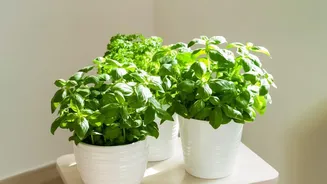
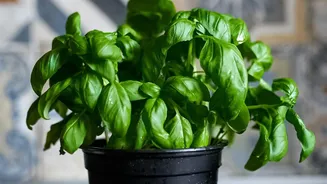
Basil loves warmth and moisture, making the monsoon a good growing season, but it's also prone to fungal diseases like downy mildew when the air is too humid. Good air circulation is key to prevention. Don't overcrowd your basil plants. Pruning regularly not only gives you leaves for your kitchen but also thins out the plant, allowing air to move freely between the leaves and stems. Snip off any yellowing or diseased leaves immediately to prevent problems from spreading. Basil is a sun-lover, so ensure it’s in the brightest spot on your balcony.
Managing Mighty Mint
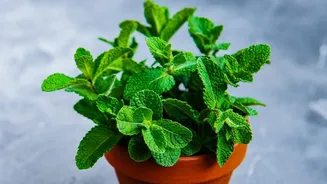
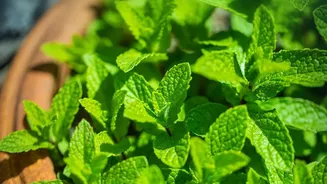
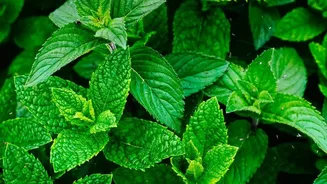
Mint is famously easy to grow and thrives in moist conditions, but it's also an aggressive spreader. It's highly recommended to give mint its own pot to prevent it from taking over other containers. Like basil, mint benefits from good air circulation to ward off fungal issues in the damp weather. Harvest your mint frequently by snipping the tops. This encourages the plant to become bushier and more productive rather than tall and leggy. While it loves moisture, ensure its pot still has excellent drainage to avoid soggy roots.
Pest and Disease Patrol
The humid, damp conditions of the monsoon are a breeding ground for pests like aphids and slugs, as well as fungal diseases. Be proactive with your plant care. Regularly clear away fallen leaves and debris from the soil surface, as this wet material can harbor pests and fungus. Check the undersides of leaves for common pests like tiny green caterpillars or aphids. Many can be dislodged with a spray of water or wiped off. For more persistent issues, a simple, homemade insecticidal soap made from mild liquid soap and water can be effective. Good hygiene and regular inspection are your best tools for keeping your herbs healthy.