


The Allure of an Ancient Valley
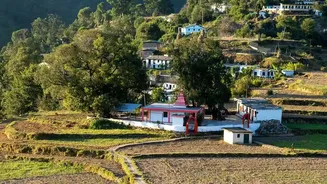
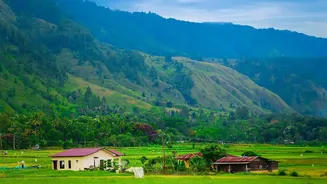
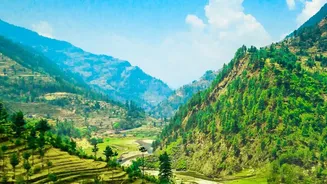
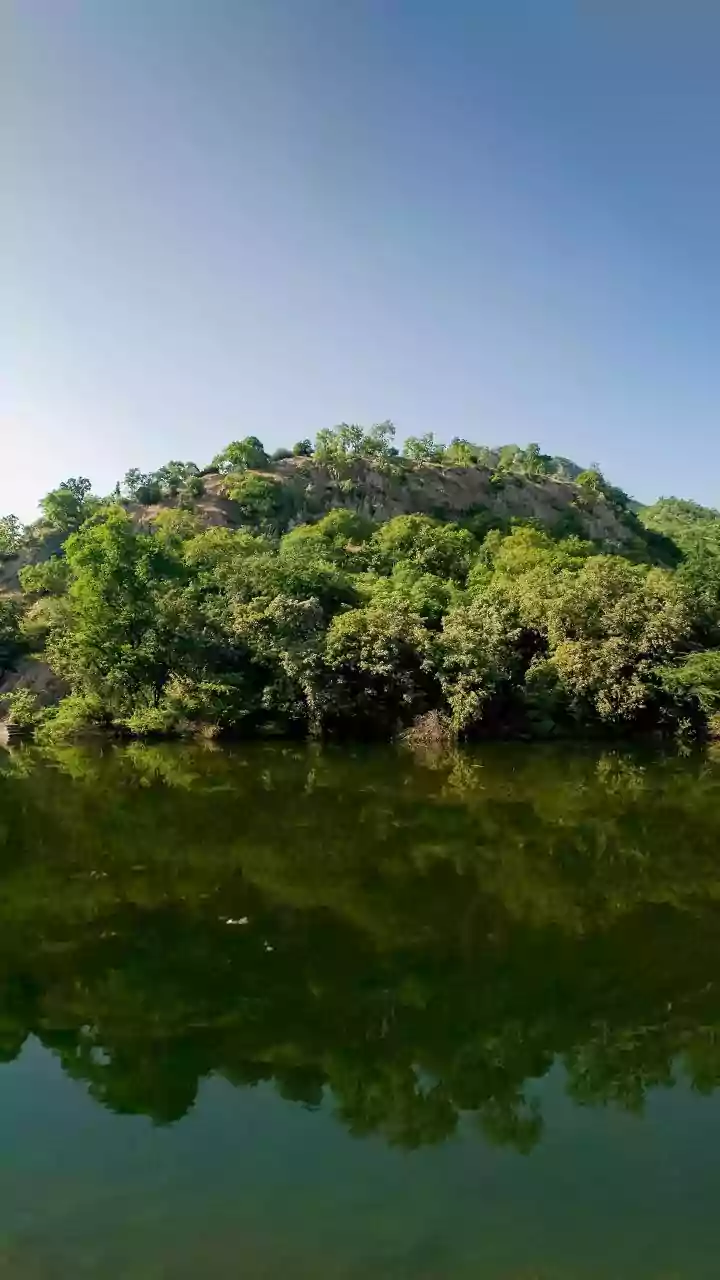
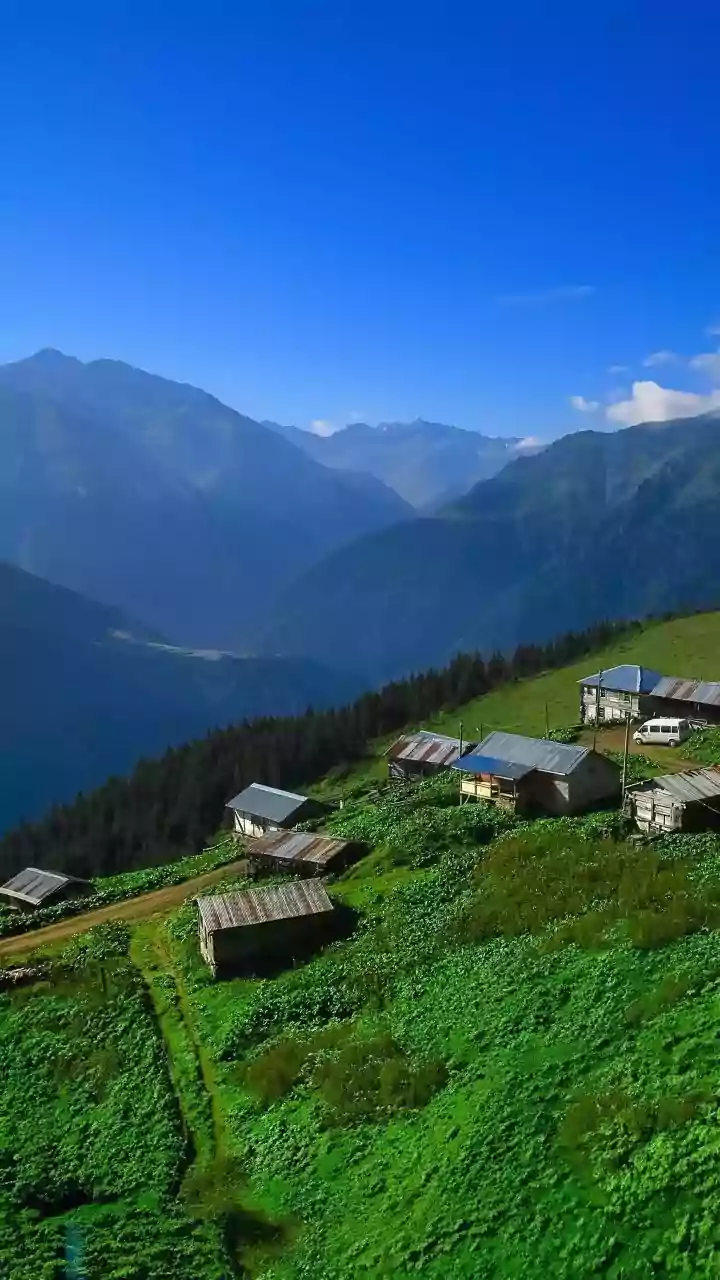
Ziro Valley isn't your typical tourist spot. A sprawling plateau cradled by pine-clad hills, it’s the homeland of the Apatani tribe, whose way of life is a masterclass in sustainability. For centuries, they have practised a unique form of agriculture,
integrating rice cultivation with fish farming in meticulously irrigated fields without using any machines or artificial fertilisers. This harmonious relationship with nature has earned the Apatani cultural landscape a coveted spot on UNESCO's Tentative World Heritage Sites list. Visitors are drawn to the valley's tranquility, the vibrant green of the paddy fields, and the chance to witness a culture that lives in deep synchronicity with its environment. The experience is less about sightseeing and more about immersion—in the quiet rhythms of village life, the intricate weaving patterns of Apatani shawls, and the taste of locally brewed rice beer, Apong.
A New Generation of Conscious Travellers
The visitors arriving in Ziro today are increasingly young, informed, and motivated by more than just getting the perfect photo. Part of a nationwide trend, these Millennial and Gen Z travellers are determined to make their journeys more sustainable. They are choosing destinations that offer authentic experiences and are actively seeking ways to leave a place better than they found it. In Ziro, this translates into a tangible respect for local customs and a genuine interest in the Apatani way of life. Instead of demanding luxury resorts, they prefer the warmth and authenticity of homestays, directly contributing to the local economy. This shift from passive tourism to active, respectful engagement is what makes the trend in Ziro so significant; it’s a partnership between the community and the traveller.
The Unwritten Rules of a Ziro Stay
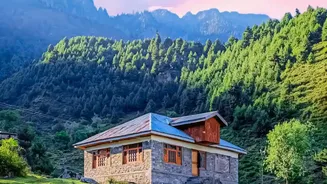
While there isn't a formal rulebook handed out at the entrance, a clear set of principles guides responsible travel in Ziro. The first and most important is choosing to stay in locally-run homestays. This not only provides an unparalleled cultural immersion—sharing meals cooked over a traditional fireplace, for instance—but also ensures that tourism revenue stays within the community. Travellers are encouraged to minimize their environmental footprint by reducing waste, avoiding single-use plastics, and respecting the pristine landscape. Local guides emphasize a 'leave no trace' policy, especially during treks into areas like the Talley Valley Wildlife Sanctuary. There’s also a deep-seated cultural etiquette: asking for permission before photographing people, particularly the elders with their traditional face tattoos, and showing reverence for sacred groves and community spaces.
Decoding the Inner Line Permit
Getting to Ziro involves a crucial administrative step: obtaining an Inner Line Permit (ILP). As Arunachal Pradesh is a protected state sharing international borders, the ILP is a mandatory travel document for all domestic tourists who are not residents of the state. This system helps regulate the flow of visitors and preserve the unique cultural and ecological fabric of the region. Thankfully, the process has been streamlined. Travellers can apply online through the official government portal by providing a photo ID, a passport-sized photograph, and the details of their itinerary, including the districts they plan to visit. The fee is nominal, and approval typically takes a few working days. It's a small but vital prerequisite, ensuring that tourism in this sensitive region remains manageable and controlled.