







The Twin Crisis in Our Cities
Living in an Indian city means navigating a dual challenge. First, the air we breathe is a constant concern, with pollutants from traffic and construction creating a pervasive haze that affects our health. We check AQI levels like we check the weather.
Second, there’s a creeping silence. The familiar chirping of sparrows, the buzz of bees, and the flash of a butterfly’s wing are becoming rarer. Our urban landscapes, often dominated by manicured lawns and exotic ornamental plants, have become food deserts for local wildlife, pushing out the small creatures that form the base of a healthy ecosystem.
Nature's Two-for-One Deal
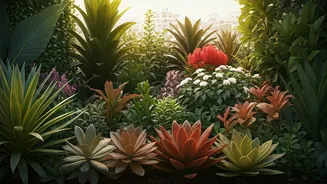
This is where native plants offer a brilliant, two-for-one solution. What is a 'native' plant? It's a species that has grown and evolved in a specific region for thousands of years. Think Neem, Peepal, or Tulsi—plants that are deeply intertwined with our local ecology and culture. Unlike exotic species imported for their looks, native plants are perfectly adapted to our climate, soil, and water conditions. They require less maintenance, are more resilient to pests, and, most importantly, have co-evolved with our local wildlife, creating a delicate, time-tested partnership.
How Plants Actually Clean the Air
The idea that plants 'filter' air is not just a poetic notion; it's backed by science. Through a process called phytoremediation, plants actively clean their environment. Their leaves and stems act as natural filters, trapping particulate matter—the fine dust that plagues our cities—on their surfaces. More impressively, they absorb gaseous pollutants like nitrogen oxides, ammonia, and volatile organic compounds (VOCs) through tiny pores on their leaves, effectively pulling them out of the air. While a few balcony plants won't single-handedly solve Delhi's smog, a dense network of native greenery across a neighbourhood can significantly improve local air quality, reduce heat, and make breathing a little easier.
Bringing Back the Birds and Bees
The second, equally vital, benefit is nourishing wildlife. An exotic hibiscus might look beautiful, but to a local sunbird, it’s a useless decoration. Native plants, however, are a bustling cafeteria. Their flowers provide the right kind of nectar for our specific butterflies and bees. Their leaves are food for the caterpillars that will one day transform into those butterflies, and those caterpillars, in turn, are food for birds. Their fruits feed bulbuls and barbets. By planting a Curry Leaf (Kadi Patta) tree, you’re not just getting leaves for your kitchen; you’re providing a nursery for the Common Mormon butterfly. Planting a native jasmine provides nectar for moths, which then feed nocturnal birds and bats. It's about rebuilding the entire food web from the ground up.
Five Urban Heroes You Can Plant
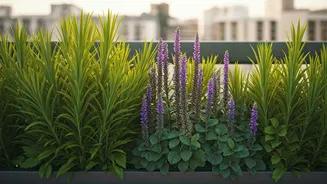
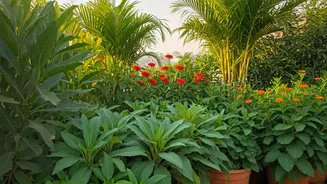
Ready to get started? Even a small balcony can become a biodiversity hotspot. 1. **Tulsi (Holy Basil):** A powerhouse in a small pot. It’s revered for its medicinal properties, releases a lovely fragrance, and is known to repel mosquitoes while attracting small, beneficial insects. 2. **Genda (Marigold):** Bright, cheerful, and incredibly easy to grow. Marigolds attract pollinators like bees and butterflies and are known to deter pests in the soil. 3. **Kadi Patta (Curry Leaf):** This small tree is perfect for a large pot. Its flowers are a magnet for bees, and its leaves are essential food for the larvae of the beautiful Common Mormon butterfly. 4. **Ashwagandha (Indian Ginseng):** This hardy shrub thrives with little care. Its small flowers support tiny pollinators, and it’s a famous plant in traditional medicine. 5. **Shankhpushpi (Morning Glory):** A beautiful creeper with blue flowers perfect for a balcony railing. It attracts a host of native bees and provides a splash of colour while taking up very little ground space.