






The Enduring Reign of Cold Coffee
For decades, cold coffee has been more than just a beverage in India; it's a cultural staple. From the frothy, blended 'Delhi-style' cold coffee to simple iced lattes, it has been the go-to choice for a refreshing caffeine hit, especially in warmer climates.
Its appeal lies in its familiarity, accessibility, and comforting sweetness—a dependable companion for everything from college study sessions to casual catch-ups. Brands have successfully positioned it as an all-season beverage, with major players and direct-to-consumer startups alike catering to a growing demand driven largely by younger consumers in both metropolitan and Tier-2 cities. This classic drink represents a blend of tradition and modern convenience that has long dominated the cold beverage menu in Indian cafes.
Enter the Green Challenger: Matcha
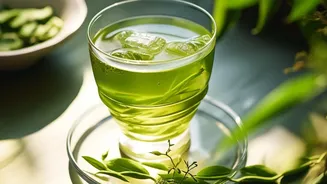
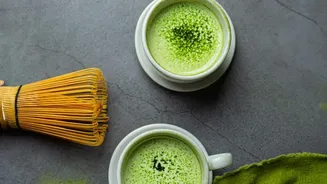
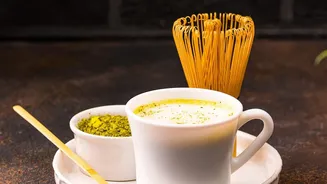
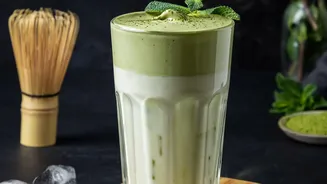
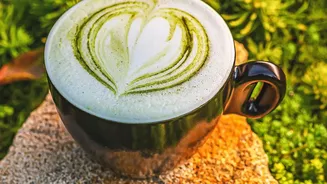
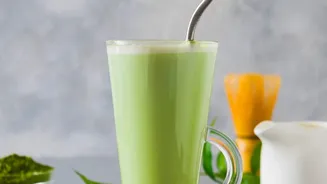
In recent years, a new player has entered the scene: matcha. This finely ground powder of specially grown and processed green tea leaves, with deep roots in Japanese tea ceremonies, has found a new home in India's trend-conscious urban centres. Initially appearing on the menus of niche Japanese restaurants around 2015, artisanal matcha lattes were later popularised by third-wave coffee shops in cities like Bengaluru, Mumbai, and Delhi. Positioned as a premium, craft beverage, matcha shares the same 'artisanal' space as specialty coffee, appealing to a consumer base eager for new and global experiences. Its arrival signifies a shift in the cafe landscape, introducing a novel flavour profile and a different kind of beverage ritual.
The Allure of a Health Halo
A significant driver of matcha's growing popularity is its powerful wellness narrative. Unlike the sharp jolt provided by coffee, matcha offers what many describe as a 'calm alertness'. This is attributed to the presence of L-theanine, an amino acid that works in synergy with caffeine to provide a more sustained and gentle energy boost, without the infamous 'caffeine crash' or jitters that some experience with coffee. Furthermore, matcha is packed with antioxidants, particularly catechins like EGCG, which are associated with benefits like boosting metabolism and reducing cellular damage. As health-conscious urban Indians increasingly seek functional foods and drinks, matcha's reputation as a superfood makes it an attractive alternative to traditional caffeinated options.
An 'Instagrammable' Identity
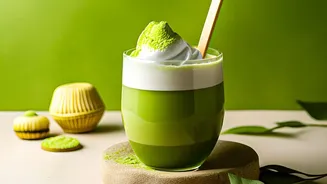
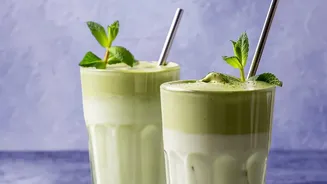
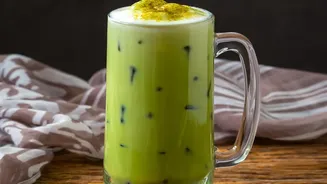
In today's visually-driven world, aesthetics are paramount, and matcha is undeniably photogenic. Its striking green hue makes for compelling content on social media platforms like Instagram, where food trends are born and amplified. For many Gen Z and Millennial consumers, ordering a matcha latte is as much about the visual experience and social currency as it is about the taste. This 'Instagrammable' quality has played a huge role in its rapid rise, turning a niche drink into a mainstream trend. Cafes have capitalised on this, creating visually appealing versions like strawberry matcha lattes or mango matcha coolers that are designed to be shared online, further fuelling its popularity.
A Coexistence, Not a Conquest
Despite its impressive growth, matcha is not necessarily replacing cold coffee. Instead, it is carving out a significant space for itself, reflecting a diversification of tastes in urban India. The Indian consumer is increasingly adventurous, embracing global trends while holding on to traditional favourites. While cold coffee remains a beloved classic, the rise of matcha signals a maturing cafe culture where novelty, wellness, and aesthetics are valued alongside taste and tradition. Cafes are now catering to a wider spectrum of preferences, offering everything from a classic cold coffee to an umami-rich matcha latte, often with Indian-inspired twists like aam panna matcha. This indicates a move towards more choice, where consumers can switch between the familiar comfort of coffee and the intentional, mindful experience of drinking matcha.