




The Science of Muscle Repair
Every time you engage in strenuous exercise, you create tiny micro-tears in your muscle fibres. The process of repairing these tears is what makes your muscles stronger and larger over time. This repair mechanism is called muscle protein synthesis (MPS).
To fuel this process effectively, your body requires protein, which is broken down into its building blocks: amino acids. There are nine essential amino acids that your body cannot produce on its own and must obtain from food. When you consume protein after a workout, you provide your body with the raw materials needed to kickstart MPS, repair damage, and enhance recovery.
Why Pea and Brown Rice Together?
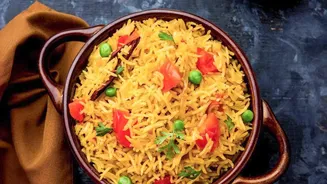
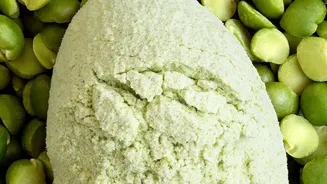
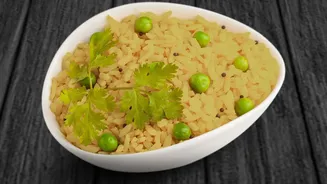
The magic of this combination lies in the concept of protein complementarity. Most single plant proteins are considered 'incomplete' because they are low in one or more of the nine essential amino acids. Pea protein, for instance, is an excellent source of most essential amino acids but is relatively low in methionine. Conversely, brown rice protein is low in lysine but has a good amount of methionine. By combining these two sources, you effectively cancel out each other's weaknesses. The result is a formulation that provides a complete amino acid profile, supplying all the necessary building blocks for muscle repair in sufficient quantities, similar to what you would find in animal-based proteins like whey.
The Importance of Leucine
Among all the amino acids, one stands out as the primary trigger for muscle protein synthesis: leucine. Think of it as the ignition key that starts the engine of muscle repair and growth. For optimal recovery, your post-workout protein source should contain a significant amount of leucine. Pea protein is particularly rich in branched-chain amino acids (BCAAs), including leucine. While whey protein has long been the gold standard for its high leucine content, studies show that plant protein blends, when formulated correctly with sources like pea and brown rice, can provide an effective dose of leucine to stimulate muscle recovery just as effectively.
Optimal Timing and Dosage
To make the most of your protein supplement, timing and dosage are key. Consuming protein within a 30 to 60-minute window after your workout is often recommended to maximize the MPS response. For most active individuals, a serving size of 20-30 grams of a pea and brown rice protein blend is an effective dose to support muscle recovery. This amount typically provides the necessary 2-3 grams of leucine to signal muscle repair. While the post-workout window is important, what matters most is meeting your total daily protein needs consistently to support your body’s recovery and adaptation over the long term.
Choosing a Quality Blend
When selecting a pea and brown rice protein powder, not all products are created equal. Look for protein isolates, which have a higher protein content (often 80-90%) because most of the fats and carbs have been removed. Check the ingredients list to ensure there are no unnecessary fillers, artificial sweeteners, or additives. It's also wise to choose products that are third-party tested for quality and purity. This ensures you're getting a clean, effective product that delivers on its promises without any unwanted contaminants.
More Than Just a Post-Workout Shake
While a post-workout shake is a convenient way to get your protein, you can incorporate these powders into your diet in many other ways. The mild flavour of many pea and rice blends makes them a versatile addition to various meals. Try mixing a scoop into your morning oatmeal or a smoothie for a protein-packed breakfast that keeps you full. You can also add it to recipes for pancakes, muffins, or energy bites to boost their nutritional value. This helps you spread your protein intake throughout the day, supporting continuous muscle recovery and overall health.