



What Exactly Is This Flavour Vibe?
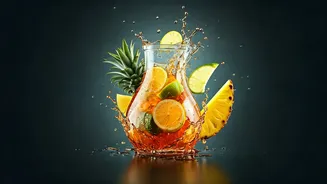
At its heart, the pineapple-citrus-vinegar trend is all about balance. You have the juicy, tropical sweetness of pineapple, the bright, zesty punch of citrus, and the sharp, acidic complexity of vinegar. This isn't just about dumping three things in a glass;
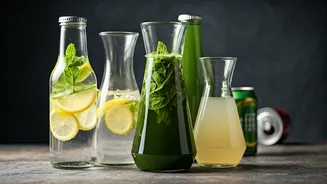
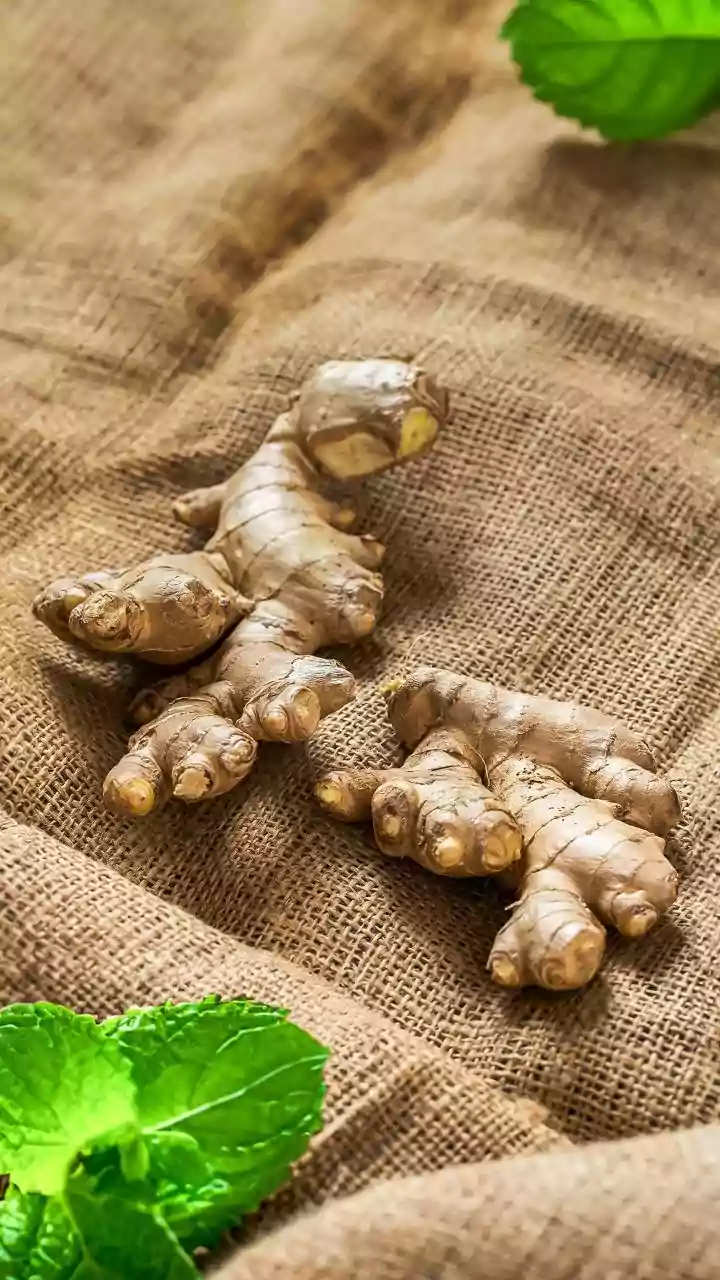
it's about a sophisticated flavour profile that hits all the right notes. This trend encompasses several types of increasingly popular beverages. Think of historical drinks like shrubs (or drinking vinegars), which are vinegar-based syrups infused with fruit. Also in this family are switchels, a traditional tonic made with vinegar, water, and ginger, often sweetened with molasses or maple syrup. And perhaps the most direct link is tepache, a fermented beverage from Mexico made from pineapple peel and rind, which is gaining popularity outside its home country. The common thread is a tangy, fermented funk that elevates simple fruitiness into something more adult and intriguing.
From Old-Time Tonic to Trendy Tipple
Many of these drinks have humble origins, starting as ways to preserve fruit or as restorative tonics for farm workers. Shrubs, for instance, were popular in colonial America as a method to use fruit preserved in vinegar. Tepache's roots go back to pre-Columbian Mexico, where indigenous peoples fermented pineapple scraps. Their re-emergence in 2026 is part of a much larger shift in how we drink. The non-alcoholic beverage market is booming, with consumers actively seeking sophisticated, flavourful alternatives to sugary sodas and alcoholic drinks. This trend is driven by a desire for “purposeful functionality”—drinks that don't just quench thirst but also offer perceived health benefits.
The Gut-Health Connection
Much of the buzz around these beverages is tied to the wellness movement, particularly the focus on gut health. Fermented drinks are rich in probiotics, the beneficial bacteria that can help maintain a healthy gut microbiome. Drinks like kombucha have paved the way, educating consumers on the benefits and appeal of fermentation. The pineapple-citrus-vinegar profile fits perfectly into this landscape. Pineapple itself is rich in vitamins and enzymes, while traditionally fermented vinegars can also contain probiotics. This combination offers a one-two punch of flavour and function, appealing to health-conscious consumers who want their drinks to work a little harder for them.
Why This Flavour Is Winning Now
Several cultural currents are converging to make 2026 the year of pineapple-citrus-vinegar. Firstly, there's the “sober curious” movement and the rise of the “Zebra Striper”—consumers who alternate between alcoholic and non-alcoholic drinks on a night out. These drinkers demand non-alcoholic options that are just as complex and satisfying as a craft cocktail. Secondly, our palates are becoming more adventurous, with a growing interest in global flavours and a desire to know the story behind our food and drinks. Pineapple itself is predicted to be a flavour of the year, celebrated for its uplifting and energising sensory profile. Finally, this trend speaks to a desire for authenticity and craft, moving away from mass-produced sodas towards beverages with history and character.
How to Ride the Wave
Curious to try it for yourself? You have options. Many specialty cafes, cocktail bars, and health food stores now offer house-made or bottled shrubs, switchels, and tepache. Look for brands that use minimal, natural ingredients. For the adventurous, making your own is surprisingly simple. A basic shrub can be made by macerating chopped fruit (like pineapple) with sugar, then straining the resulting syrup and mixing it with your vinegar of choice. Dilute the final product with sparkling water for a refreshing, low-sugar soda alternative. Whether you buy it or DIY it, look for a pleasing balance between sweet, tart, and tangy. It’s an invigorating flavour experience that is set to define the taste of the year.