








Nutrient Synergy: The Teamwork Effect
Whole foods offer something that isolated pills cannot: nutrient synergy. This is the concept that nutrients consumed together in their natural state work as a team, enhancing each other's effects. For example, the vitamin C in a bell pepper helps your
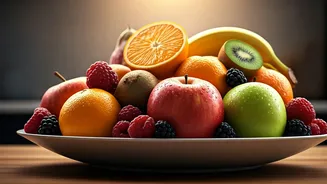
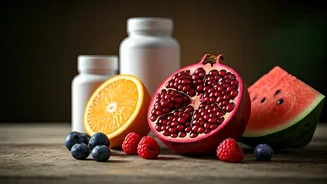
body absorb the iron from a side of spinach far more effectively than taking separate iron and vitamin C pills. Foods are complex matrices of vitamins, minerals, antioxidants, and compounds we haven't even identified yet. An orange provides vitamin C, but it also delivers fiber, potassium, folate, and flavonoids. A supplement gives you a single, isolated nutrient, missing out on the symphony of benefits that nature packaged together for optimal use by your body.
The Fiber Factor: A Benefit Pills Can't Bottle
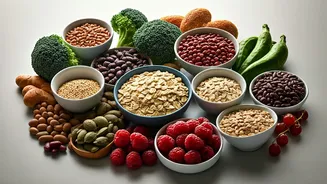
One of the most significant advantages of getting nutrients from food is fiber. This essential carbohydrate, found in fruits, vegetables, whole grains, and legumes, is almost entirely absent from dietary supplements. Fiber is a powerhouse for health. It aids digestion, promotes a healthy gut microbiome, helps regulate blood sugar levels, and contributes to feelings of fullness, which can help with weight management. A diet rich in fiber is linked to a lower risk of heart disease, stroke, type 2 diabetes, and certain types of cancer. You can't get these profound, systemic benefits from a vitamin capsule or a mineral tablet. It's a foundational part of a healthy diet that the supplement industry simply cannot replicate.
Better Absorption and Less Waste
Your body has evolved over millennia to extract nutrients from food, not from high-potency synthetic pills. The term for this is 'bioavailability'—the proportion of a nutrient that is absorbed and used by the body. Nutrients in whole foods are often more bioavailable because they come in a form your digestive system recognizes and can process efficiently. In contrast, some supplements, especially those containing massive doses, can be poorly absorbed. Your body may simply excrete the excess, meaning you're paying for expensive nutrients that you never actually use. In some cases, high doses of one isolated mineral can even interfere with the absorption of another. With food, these balances are naturally regulated.
The Built-In Safety Net
It’s nearly impossible to “overdose” on vitamins and minerals from eating a balanced diet. Your body has natural satiety cues that prevent you from eating, say, 20 pounds of carrots and getting a toxic dose of Vitamin A. Supplements bypass this safety mechanism. The industry is loosely regulated, and it's easy to take doses that are many times the recommended daily allowance, which can be harmful. For instance, excess iron can be toxic, high levels of vitamin A can cause liver damage, and too much vitamin B6 can lead to nerve damage. Relying on food as your primary source of nutrition provides a natural, effective safety net against the risks of over-supplementation.
When Supplements Are the Smart Choice
While a food-first approach is best for most people, supplements do have a crucial role in specific situations. They are not an 'alternative' to a bad diet but a 'supplement' to a good one when necessary. For example, doctors often recommend them for correcting specific, diagnosed deficiencies (like iron-deficiency anemia), for people on restrictive diets (vegans may need B12), during certain life stages (folic acid for pregnancy), or for those with medical conditions that impair nutrient absorption. People living in northern climates with little sun exposure are often advised to take Vitamin D. The key is that this decision should be made in consultation with a healthcare provider based on your individual needs, not on marketing hype.