



A Catastrophe Unfolds
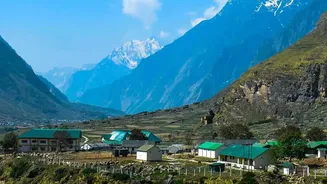
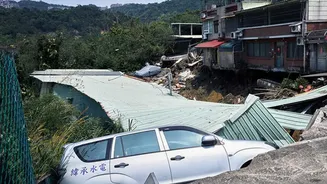
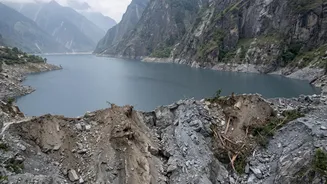
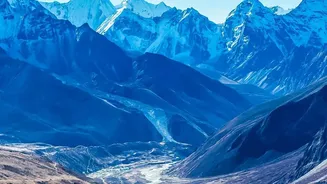
On the morning of August 26, 2026, a massive torrent of water, rock, and ice surged through the Trishuli River valley near the Nepal-China border. Preliminary findings from scientists and the U.S. Geological Survey suggest that a huge chunk of a glacier
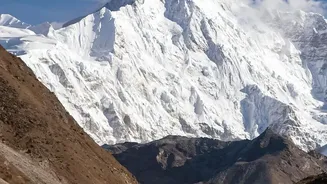
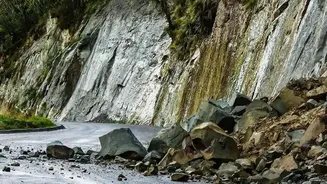
collapsed high in the Langtang region, creating a natural dam that later burst with unimaginable force. The resulting flood and debris flow travelled nearly 100 kilometers, wiping out settlements, vital infrastructure, and a key trade crossing. The human cost has been immense, with hundreds confirmed dead and thousands missing across multiple districts in one of the worst disasters to hit the country in recent memory. The event has left communities shattered and has highlighted the extreme vulnerability of those living in the shadow of the world's highest peaks.
The Unforgiving Climate Connection
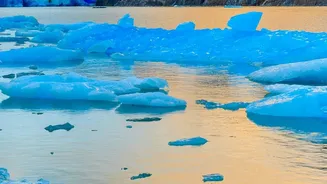
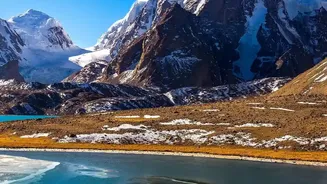
While the precise trigger is under investigation, scientists have been warning for years that such events are becoming more likely and severe. The Hindu Kush Himalaya region is warming at a rate faster than the global average. This accelerated warming has a multi-pronged effect: it melts glaciers, destabilises the surrounding permafrost that acts like mountain glue, and alters monsoon patterns to bring more intense, erratic rainfall instead of snow. This creates a perfect storm for disasters. As glaciers retreat, they leave behind vast lakes of meltwater, often held in place only by unstable mounds of earth and rock called moraines. The recent disaster was likely caused by a glacier collapse rather than a traditional Glacial Lake Outburst Flood (GLOF), but both are products of the same warming trend that is making the entire mountain ecosystem dangerously unstable.
Rethinking 'Resilience'
For years, climate resilience in the Himalayas has focused on building early warning systems and climate-proofing infrastructure. Nepal has had some success with community-based flood warning systems along its river basins, which have saved lives in the past. However, the sheer scale and suddenness of the August 26 catastrophe shows the limitations of current strategies. The disaster was not a typical monsoon flood but a complex, cascading event involving a high-altitude glacial collapse—a hazard that is much harder to predict and defend against. This tragedy forces a difficult question: are the existing resilience plans, designed for yesterday's climate, adequate for the new and unpredictable reality? The conversation is now shifting towards a need for more proactive measures, such as lowering the water levels in the most dangerous glacial lakes and, crucially, integrating risk assessments into all development planning.
A Shared Crisis Demands a Shared Response
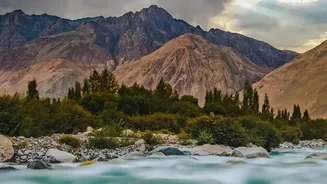
The Himalayas, often called the 'Third Pole', contain the largest volume of ice outside the polar regions and are the source for river systems that support over 1.6 billion people downstream, including in India. What happens in Nepal does not stay in Nepal. The August disaster carried debris and victims into Indian territory, a stark reminder that water and climate do not respect international borders. Following the flood, officials from Nepal and China agreed to increase the sharing of real-time hydrological data, a positive step towards regional cooperation. Experts argue that this must be the beginning of a much broader, coordinated strategy among all Himalayan nations—including India, Bhutan, Nepal, and China—to monitor glacial hazards, manage shared water resources, and invest in adaptation solutions that protect the entire region.