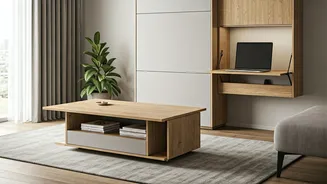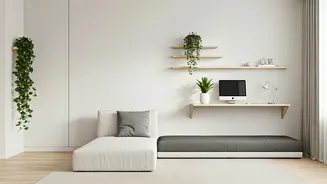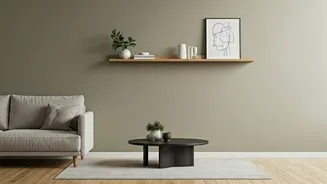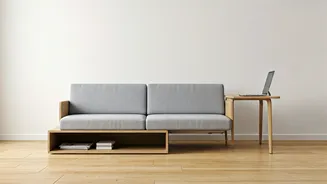





The Rise of Floor-Level Comfort
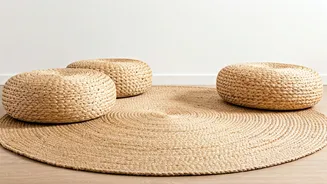
Move over, heavy sofas and cumbersome armchairs. The new hero of the Indian rental home is low, light, and wonderfully earthy. Low jute seating refers to a range of furniture that encourages a more relaxed, floor-oriented lifestyle. This includes everything
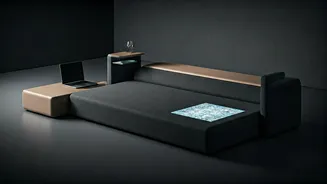
from woven jute poufs and ottomans to modern interpretations of the classic 'mooda' (a low stool made of cane or sarkanda grass) and plush floor cushions. Instead of dominating a room, these pieces complement it. They create inviting, informal zones for conversation, reading, or simply enjoying a cup of chai. This shift away from bulky, immovable furniture is a direct response to the needs of a generation that values mobility, minimalism, and a connection to natural materials.
Why Jute is a Renter’s Best Friend
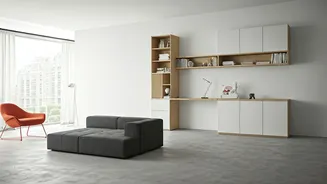
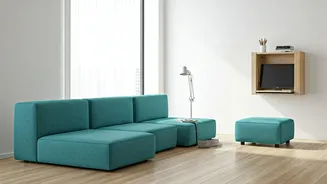
For anyone navigating the realities of rental living in urban India, jute seating solves several key problems at once. First, there's the issue of portability. These pieces are incredibly lightweight, making them easy to move within the home or to your next apartment without hiring professional movers. Second, they are budget-friendly. A set of high-quality jute poufs can provide ample seating for a fraction of the cost of a traditional sofa set, freeing up funds for other decor elements. Third, they are masters of saving space. In the compact apartments common in cities like Mumbai, Bengaluru, and Delhi, low seating creates an illusion of a higher ceiling and a more open floor plan. It’s a clever design trick that makes small spaces feel significantly larger and less cluttered.
Crafting an Earthy, Modern Aesthetic
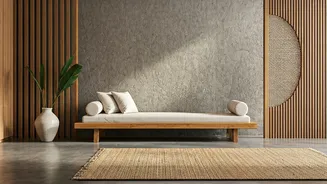
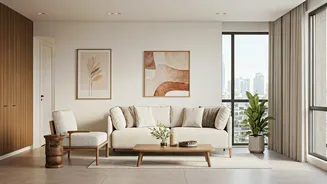
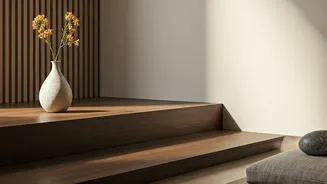
The appeal of jute goes far beyond its practical benefits. Aesthetically, it taps into a global desire for sustainable, natural materials in our homes. The warm, neutral tone and rich texture of jute add an element of organic beauty to any room. It’s the cornerstone of the ‘Indian-boho’ look, which blends bohemian free-spiritedness with local craftsmanship and textiles. But jute is versatile. It pairs just as beautifully with minimalist decor, providing a touch of warmth to a clean, modern space. It also complements the ‘Japandi’ style—a hybrid of Japanese minimalism and Scandinavian function—which celebrates natural textures, simplicity, and craftsmanship. By bringing this natural fibre indoors, you create a calming, grounded environment that feels like a retreat from the chaos of city life.
How to Style Your Jute Seating
Integrating low jute seating into your home is intuitive and fun. The key is to think in terms of creating cozy, functional 'zones'.
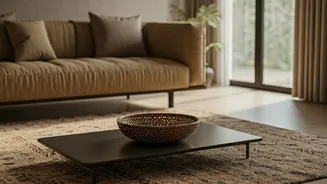
- Create a Lounge Area: Arrange a few large jute floor cushions and a couple of poufs around a low-slung coffee table to create a relaxed living room setup. Layer a soft cotton or wool rug underneath to define the space and add comfort.
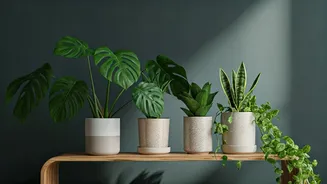
- Build a Reading Nook: Place a single, comfortable jute pouf in a well-lit corner, perhaps next to a bookshelf and a tall indoor plant like a fiddle-leaf fig or a snake plant. Add a small side table for your book and coffee.
- Add Flexible Guest Seating: Jute ottomans are perfect for pulling out when friends come over. When not in use, they can serve as a footrest, a small side table for a tray, or simply a decorative accent.
- Mix and Match Textures: Don't be afraid to pair your jute seating with other textiles. Brightly coloured cushions in block prints or ikat patterns add a pop of Indian flavour, while neutral linen or cotton throws can create a more serene, minimalist look.
Finding the Perfect Piece
The growing popularity of this trend means jute seating is more accessible than ever. You can find excellent options across various price points. Online furniture retailers like Pepperfry, Urban Ladder, and Amazon.in have a wide selection of poufs, ottomans, and benches. For more unique, handcrafted pieces, explore brands that focus on sustainable and artisanal decor, such as The Jute Shop or Fabindia. Don't forget to check local handicraft markets and state emporiums, where you can often find beautifully made 'moodas' and stools directly from the artisans who craft them. When buying, check for a sturdy internal frame and tightly woven jute for durability.