






The Celestial Main Event of August
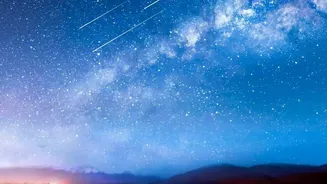
The Perseid meteor shower is one of the most brilliant and reliable astronomical events of the year, known for its bright, fast-moving meteors and occasional fireballs—larger, more dramatic streaks of light. This annual spectacle occurs when Earth passes
through the trail of debris left by Comet Swift-Tuttle. These tiny particles, most no bigger than a grain of sand, burn up upon entering our atmosphere at incredible speeds, creating the beautiful streaks we call 'shooting stars'. The 2026 shower is poised to be particularly special. The peak viewing nights will coincide with a new moon on August 12, which means the sky will be exceptionally dark, making it possible to see even fainter meteors. Under ideal, clear conditions, viewers could potentially spot between 50 and 100 meteors per hour.
Peak Viewing Window for India
For observers across India, the key dates are the nights of August 12 and 13. The shower will be active throughout this period, but the best time to watch is in the pre-dawn hours of August 13, roughly between 2:00 AM and 4:30 AM IST. During this window, the shower's radiant point in the constellation Perseus will be higher in the sky, increasing the number of visible meteors. You don’t need any special equipment like a telescope or binoculars; the show is best enjoyed with the naked eye. Just find a comfortable spot, lie back, and give your eyes about 20-30 minutes to adjust to the darkness.
The Great Monsoon Obstacle
Here's the crucial variable for anyone in India: the monsoon. August is peak rainy season for most of the country, and a blanket of clouds is the ultimate spoiler for any stargazing activity. While long-range forecasts from the India Meteorological Department (IMD) for August 2026 suggest a possibility of 'below-normal' rainfall for the month in many areas, this doesn't guarantee clear skies on the specific peak nights. Regional weather can change rapidly. A forecast that looks promising a week out can be upended by a local weather system that moves in just hours before the show. This is why flexibility is key. Don't lock in travel plans to a nearby spot without keeping a close eye on the most up-to-date, localized weather reports.
Crafting Your Viewing Strategy
Your best bet for a successful viewing is to get as far away from city lights as possible. Light pollution can drastically reduce the number of meteors you'll see. Once you have a potential dark-sky location in mind, start monitoring the IMD's short-term forecasts and satellite imagery as the dates get closer. Look for clear-sky windows predicted for your chosen area. The ideal plan involves identifying a primary location and one or two backups in different directions. For instance, if you're in Mumbai, a spot towards Malshej Ghat might be an option, but you should also be ready to consider other areas if clouds are forecast there.
Go Where the Clouds Aren't
For those truly dedicated to seeing the show, the most reliable strategy is to travel to a region that falls in a rain-shadow area. These locations are naturally drier and less affected by the monsoon. In India, the prime destinations for clear August skies are the high-altitude deserts of Ladakh and the Spiti Valley in Himachal Pradesh. These areas offer some of the darkest and clearest skies in the country, making them top spots for astrophotography and serious stargazing. Other potential locations with a higher chance of clear skies include the arid regions of Western Rajasthan, like Jaisalmer, and the Rann of Kutch in Gujarat. While a trip to these places requires more planning, your chances of an unforgettable meteor shower experience are significantly higher.