



Choose Flowers That Love the Rain
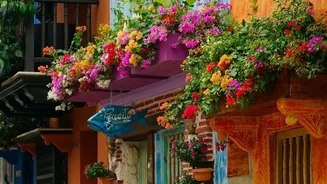
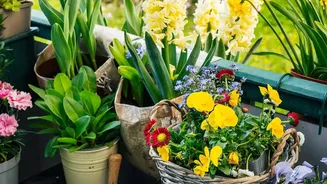
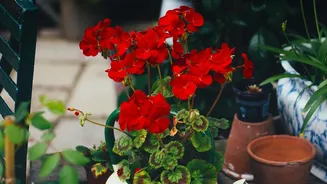
The easiest way to ensure a low-upkeep garden is to choose plants that naturally thrive in monsoon conditions. Instead of fighting the weather, work with it. Balsam, often called Gulmehndi, is a quintessential monsoon flower, sprouting easily and blooming
in shades of pink, purple, and white. Similarly, Zinnias are a fantastic choice; these cheerful, multi-coloured flowers are hardy, love the humidity, and attract butterflies. For a magical touch, plant Rain Lily bulbs. As their name suggests, these plants send up delicate pink or white flowers almost immediately after a rain shower, requiring virtually no effort from you.
Embrace Colourful Leaves
Flowers aren't the only way to add a splash of colour. Foliage plants can provide a consistent and dramatic display that often requires even less maintenance than flowering varieties. Coleus plants are perfect for the monsoon, as they thrive in high humidity and partial shade. Their leaves come in an astonishing array of colours and patterns, from deep burgundy and bright lime green to psychedelic splashes of pink and orange. They create a stunning visual impact and fill gaps in your balcony display, ensuring your garden looks lush and full even when flowers are between blooms. They are an excellent, low-effort way to maintain vibrancy.
Master Monsoon Potting
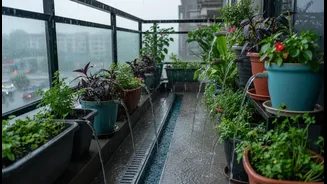
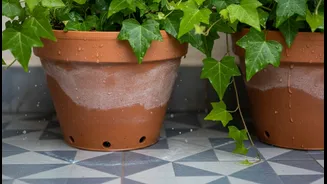
The single biggest threat to balcony plants during the monsoon is root rot from waterlogged soil. The key to avoiding this is excellent drainage. Before the rains begin, ensure every pot has clear, unblocked drainage holes. It is also wise to use a light, well-draining potting mix. A mixture of garden soil, coco peat, and coarse sand or perlite works well, as it prevents the soil from becoming a dense, muddy block. Heavy clay soils should be avoided at all costs as they retain too much water.
Elevate Your Pots for Healthy Roots
One of the simplest yet most effective tricks for monsoon gardening is to lift your pots off the ground. Placing pots directly on the balcony floor can block drainage holes, causing water to pool at the bottom and suffocate the roots. You can buy specialised 'pot feet' or simply use bricks, stones, or even old wine corks to raise your containers. This small elevation allows excess water to drain away freely and improves air circulation around the base of the pot, significantly reducing the risk of fungal diseases and root rot.
Rethink Your Watering Schedule
It might seem obvious, but it’s a common mistake: you do not need to water plants that are being rained on. For pots on an open balcony, the monsoon will handle most of the watering for you. For plants under a covered section, you'll still need to water, but far less frequently. The high humidity means soil dries out much slower. Ditch your fixed schedule and adopt a simple rule: check the soil. If the top one or two inches feel dry to the touch, it's time to water. If it’s damp, leave it alone. Overwatering is the primary cause of plant failure during this season.
Go Easy on the Fertiliser
While the lush new growth might tempt you to feed your plants, it's best to hold back on fertiliser during the peak monsoon months. Constant rain can leach nutrients from the soil, and adding more fertiliser to already waterlogged soil can burn the roots instead of helping them. Most plants will do just fine with the nutrients already in their potting mix. A good time to resume feeding is in late September when the rains retreat and the plants can consolidate their growth. For a gentle boost, you can use a light organic compost at the beginning of the season.