




What Exactly Is a Triple Alignment?
In astronomy, an 'alignment' or 'conjunction' happens when two or more celestial objects appear very close to each other in the sky from our perspective here on Earth. It's a line-of-sight phenomenon; the planets themselves aren't actually close together
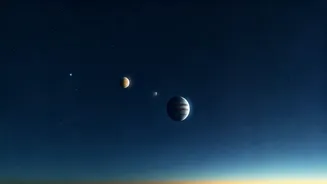
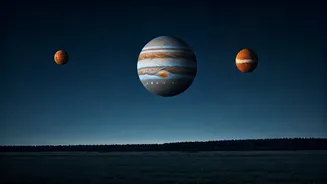
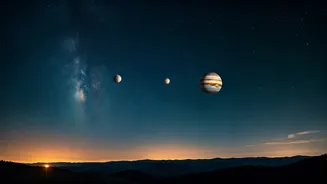
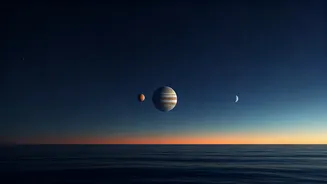
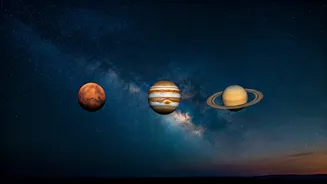
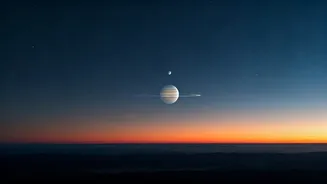
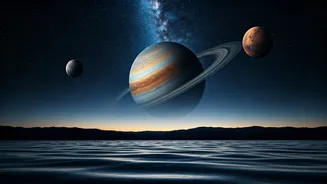
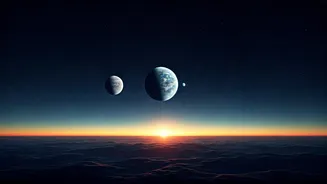
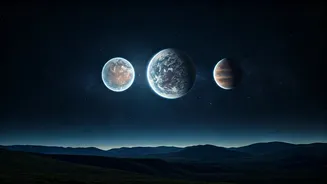
in space—they remain millions of kilometres apart. A triple alignment involves three bodies, creating a particularly eye-catching cluster. Tonight’s event will feature the Moon, the ringed planet Saturn, and the bright giant Jupiter forming a temporary triangle in the celestial dome. These events aren’t just for professional astronomers; they are a fantastic opportunity for anyone to connect with the cosmos.
Why This Celestial Event Is Special
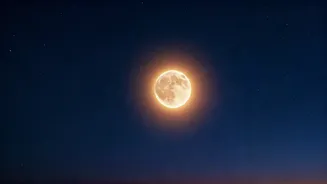
While conjunctions involving two bodies are relatively common, having three bright objects like the Moon, Jupiter, and Saturn cluster together in a small patch of the sky is less frequent. It’s a visual spectacle that our ancestors have watched and wondered at for millennia. What makes it special is the sheer beauty and the ease of viewing. Jupiter is the largest planet in our solar system and shines with a brilliant, steady light. Saturn, though fainter, carries the allure of its famous rings. When our Moon joins them, it creates a breathtaking celestial portrait that changes night after night as the Moon continues its orbit around Earth. This transient beauty is a reminder of the dynamic, ever-moving nature of our solar system.
When and Where to Look from India
For observers across India, the show begins shortly after sunset. Look towards the southeastern sky as dusk settles. The trio will be visible for several hours, climbing higher in the sky before beginning their slow descent towards the west in the early morning hours. The best viewing window is typically between 8:00 PM and midnight, when the sky is darkest and the objects are well above the horizon, clear of atmospheric haze and obstructions like buildings or trees. Timings can vary slightly depending on your exact location, but as long as you have a clear view of the southern sky, you won't miss them. They will be among the brightest objects in that part of the sky, making them easy to spot.
Naked Eye, Binoculars, or Telescope?
The great news is that you don’t need any special equipment to enjoy this alignment. All three objects—the Moon, Jupiter, and Saturn—are bright enough to be seen easily with the naked eye, even from moderately light-polluted urban areas. However, using simple tools can dramatically enhance the experience. A standard pair of binoculars (like a 7x50 or 10x50) will reveal the craters and seas (maria) on the Moon’s surface. More excitingly, binoculars will allow you to spot Jupiter’s four largest moons—Io, Europa, Ganymede, and Callisto—appearing as tiny pinpricks of light flanking the planet. If you have a small backyard telescope, you’re in for a real treat. A telescope will not only make Jupiter’s moons clearer but will also give you a chance to glimpse the iconic rings of Saturn, a sight that never fails to inspire awe.
Tips for the Best Viewing Experience
To make the most of tonight's celestial show, a little preparation goes a long way. First, try to find a spot away from direct streetlights or building lights. The darker your surroundings, the more your eyes will adapt and the more you’ll see. Give your eyes at least 15-20 minutes to adjust to the dark; avoid looking at your bright phone screen during this time. If you're using a star map app, switch it to 'night mode' (with a red filter) to preserve your night vision. Finally, get comfortable. Bring a chair or a blanket to lie on. Stargazing is an act of patience. Spend time simply looking up, and you’ll be rewarded not just with the alignment but also with the vast, peaceful beauty of the night sky.