




A New Gateway to India's Wild Heart
Central India, particularly the forests of Madhya Pradesh, is globally renowned for its thriving tiger population and spectacular biodiversity. However, reaching these natural treasures has often involved complex, multi-leg journeys and significant expense,
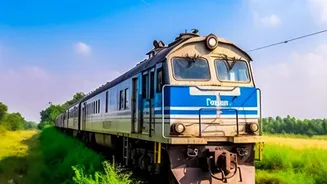
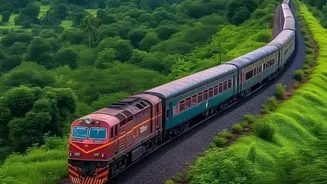
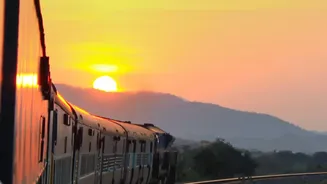
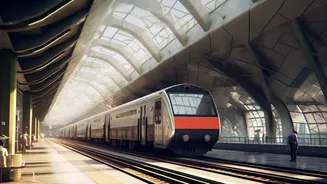
putting them out of reach for many. Recognising this, Indian Railways offers a network of overnight express trains that connect major metropolitan hubs with key railway stations, which act as gateways to the region's premier national parks. While no brand-new dedicated 'forest express' has been announced in mid-2026, the existing network of long-distance trains provides a robust, affordable, and direct link for wildlife enthusiasts. These services, which run from cities like Delhi, Mumbai, and Kolkata, are perfectly suited for budget travellers, allowing them to save on a night's accommodation and wake up refreshed and ready for the final leg of their jungle adventure.
Your Chariot to the Core Zone
The strategy for a rail-based safari is to book an overnight journey to one of two primary railheads: Jabalpur or Nagpur. Both are major junctions with excellent connectivity. From Delhi, trains like the MP Sampark Kranti and Jabalpur Superfast Express offer a comfortable overnight ride to Jabalpur. From Mumbai, a host of trains head towards Nagpur, a major city on the Central Railway network. These trains typically offer a range of classes, from the ultra-affordable Sleeper Class (SL) to air-conditioned Three-Tier (3AC), allowing travellers to choose their level of comfort and cost. An overnight journey gets you to your destination by early morning, perfectly timed to catch a pre-booked taxi for the final road transfer to your chosen reserve, which can range from a three to five-hour drive.
Choosing Your Tiger Territory
The Central Indian highlands are home to several iconic tiger reserves, each with its unique character. Your choice of destination will determine your destination station. For Kanha Tiger Reserve, famous for its vast meadows and being the last refuge of the hard-ground Barasingha, the most convenient railway stations are Jabalpur (approx. 160-170 km away) and Gondia (approx. 145 km away). To visit Bandhavgarh National Park, known for having one of the highest tiger densities in India, the nearest major stations are Jabalpur (approx. 170 km) and Katni (approx. 100 km), with the smaller station of Umaria being the closest at just 35 km. Many overnight trains from Delhi have a stop at Umaria. For Pench Tiger Reserve, the fabled setting of Rudyard Kipling's 'The Jungle Book', Nagpur is the undisputed gateway station, located just under 100 km away via an excellent highway. Jabalpur is another viable, though more distant, option.
Planning Your Affordable Safari
A successful budget wildlife trip is all about smart planning. First, book your train tickets well in advance, especially during peak season (October to March), using the official IRCTC website or app. Next, and equally important, is to book your jungle safaris online through the state's forest department portal. Safaris are limited and get booked out weeks, if not months, ahead of time. Finally, the areas around these national parks offer a wide range of accommodation. While luxury lodges abound, numerous budget-friendly guesthouses, homestays, and state-run tourist lodges provide clean and comfortable lodging. By taking an overnight train, booking safaris yourself, and choosing modest accommodation, you can experience the thrill of the jungle on a fraction of a typical package tour's cost.
More Than Just the Stripe
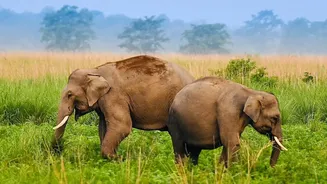
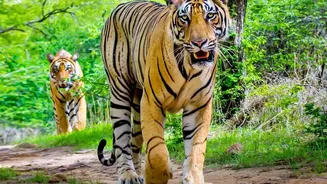
While the tiger is the undisputed star, the forests of Central India are a world unto themselves. A safari here is an immersion in a rich ecosystem. Keep your eyes peeled for the elusive leopard, the shaggy sloth bear, packs of wild dogs (dhole), and herds of gaur (Indian bison). The birdwatching is phenomenal, with hundreds of species, from crested serpent eagles to the vibrant Indian roller. The experience of driving through dense sal and bamboo forests, listening to the alarm calls of deer and monkeys, and feeling the crisp morning air is a reward in itself. The train journey is merely the beginning of an unforgettable expedition into one of India’s most precious natural landscapes.