

The Wisdom of the Pantry
For generations, the Indian kitchen has been built around a core of durable ingredients. These are foods that are shelf-stable, nutrient-dense, and incredibly versatile. Think of the rows of dals, grains, and spices that form the backbone of our cuisine.
The recent turn towards these staples is driven by a desire for health, sustainability, and a connection to our roots. After a period of fascination with global ingredients, many are finding that the most powerful superfoods have been in our pantries all along. This renewed appreciation isn't about rejecting the new, but about re-integrating the timeless wisdom of Indian food traditions into our contemporary lives.
Millets: The Ancient Grain Powerhouse
Once a humble staple, millets are making a major comeback. Grains like ragi (finger millet), jowar (sorghum), and bajra (pearl millet) are being celebrated for their incredible nutritional profiles. They are naturally gluten-free, high in fibre, and packed with essential minerals like iron and calcium. The United Nations even declared 2023 the International Year of Millets, highlighting their importance for sustainable agriculture and nutrition. For the home cook, their flexibility is key. Jowar can be ground into flour for bhakri, bajra makes a hearty khichdi, and ragi is perfect for dosas or porridge. Their low glycemic index also helps in managing blood sugar levels, making them a smart choice for health-conscious families.
Lentils and Pulses: The Ultimate Flexible Protein
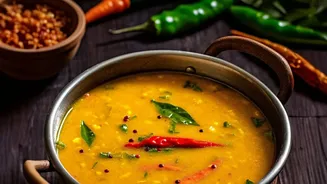
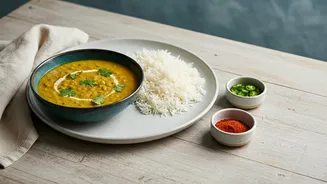
No Indian pantry is complete without an array of lentils and pulses. From toor dal and moong dal to chickpeas and kidney beans, these ingredients are the definition of durable and flexible. As more people embrace plant-based eating, the humble dal has gained global recognition as an excellent source of protein. But their utility goes far beyond simple dal tadka. They can be sprouted for salads, ground into flour for batters like dosa, blended into soups, or used as the hearty base for curries like chana masala. A well-stocked collection of dals means a quick, nutritious, and satisfying meal is never far out of reach.
Spices and Ghee: The Foundation of Flavour
The magic of Indian cooking often lies in its complex layering of flavours, which comes from a well-maintained spice box. Durable spices like turmeric, cumin, coriander, and mustard seeds are the building blocks of countless dishes. Tempering these spices in hot ghee or oil—a technique known as tadka—blooms their aroma and infuses the entire dish with flavour. Ghee, or clarified butter, is itself a durable ingredient prized for its high smoke point and nutty taste. It’s not just about heat; spices like Kashmiri chilli offer vibrant colour while others like asafoetida (hing) provide a unique savoury depth. Mastering a few key spices gives a home cook the power to transform the same set of base ingredients into a dozen different meals.
Preserves and Ferments: Time-Honoured Techniques
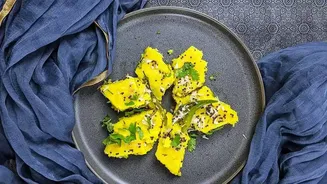
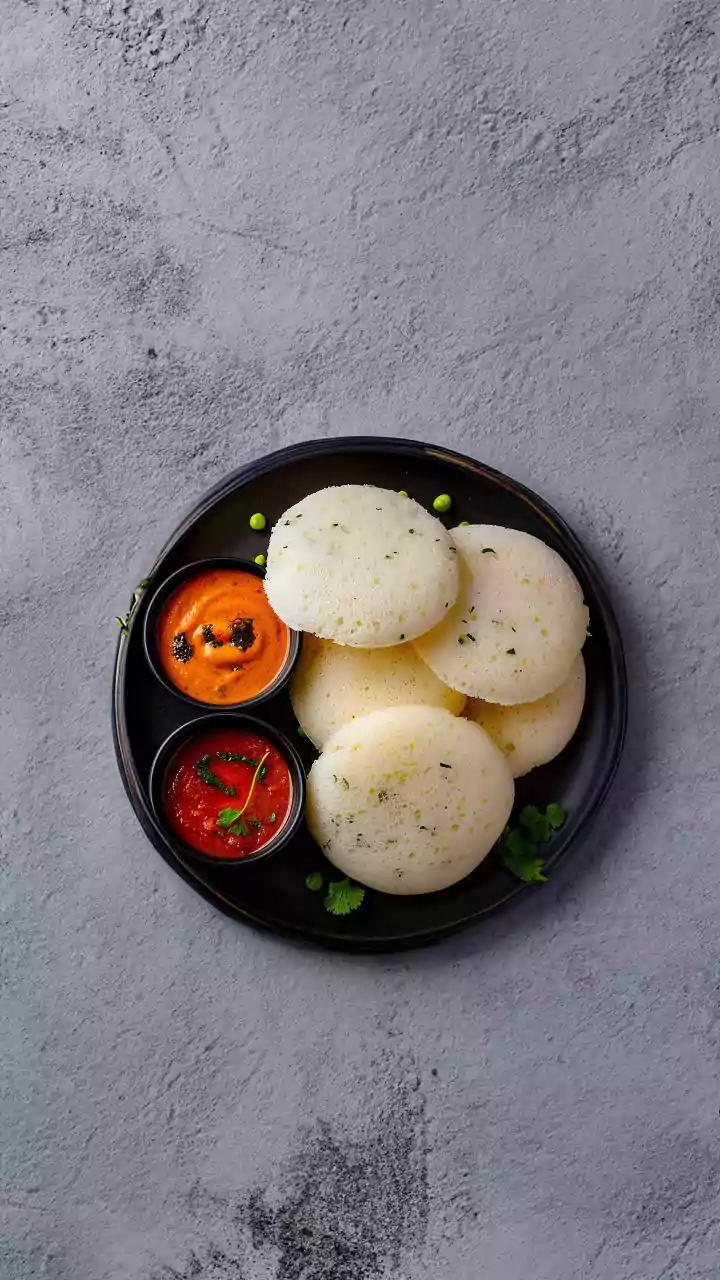
Another aspect of our durable food tradition is the art of preservation and fermentation. Achar (pickle) is a prime example of how seasonal abundance can be captured for year-round enjoyment, acting as a powerful flavour agent in any meal. Similarly, batters for dishes like idli and dosa are prepared through fermentation, a process that not only preserves the ingredients but also enhances their nutritional value and digestibility. Even yogurt, a staple in most Indian households, is a fermented product that serves as a cooling side, a marinade, or a base for drinks and curries. These traditions offer a way to add complex, tangy, and savoury notes to meals with minimal effort.