


What Makes Tea 'Specialty'?
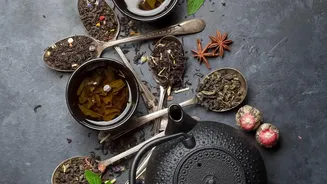
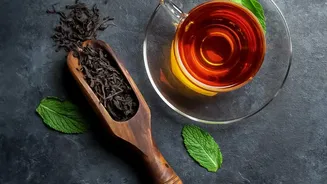
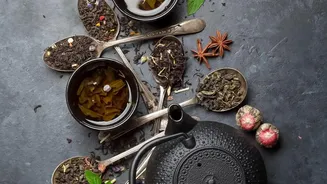
Unlike mass-produced teas found in most supermarket bags, specialty tea is defined by care and quality at every step. It typically consists of whole or large broken tea leaves, rather than the dust and fannings used in standard tea bags. These teas are often
hand-processed using traditional methods to preserve their nuanced flavours and aromas. Production happens in smaller quantities, allowing for meticulous quality control from the garden to your cup. This focus on craftsmanship means specialty tea offers a more complex and rewarding flavour experience, reflecting its unique beginnings.
Why Origin Is Your Flavour Map
Much like wine, the place where tea is grown—its terroir—has a fundamental impact on its taste. Terroir encompasses everything from the soil chemistry and altitude to the specific climate and rainfall of a region. A tea plant grown in the high, cool mountains of Darjeeling will produce a light, floral brew, while the same type of plant grown in the tropical, low-lying river valley of Assam will yield a strong, malty character. This is why origin transparency is crucial; knowing a tea is from a specific estate in a particular region gives you a powerful clue about its expected flavour profile. This connection to place is what separates a generic cup from a truly memorable one.
A Snapshot of Indian Tea Regions
India offers a diverse landscape of tea flavours. Understanding the 'big three' is a great starting point for any enthusiast. Darjeeling, grown in the Himalayan foothills, is often called the "champagne of teas" for its delicate, floral, and muscatel notes. Assam, the largest tea-growing region in the world, is known for its bold, robust, and malty black teas that form the base of many classic breakfast blends and chai. In the south, the Nilgiri mountains produce teas that are wonderfully fragrant, bright, and medium-bodied, with floral and fruity notes that are enjoyable without milk or sugar. Exploring single-origin teas from these regions is an excellent way to train your palate.
Decoding the Ingredients List
When you move beyond single-origin teas, the ingredients list becomes your guide. High-quality blends prioritise natural components. Look for teas that use real fruit pieces, spices, and flowers for flavouring—these are often called 'inclusions'. Be mindful of the term 'flavouring'. 'Natural flavouring' means the taste is derived from a natural source like a fruit or spice. In contrast, 'artificial flavouring' refers to compounds synthesised in a lab, which are often used to create strong, consistent tastes that might not exist in nature, like candy or dessert flavours. While safe, artificial flavours can sometimes overpower the subtle notes of the tea leaf itself. For a pure taste experience, prioritising natural ingredients is often the best choice.
Your Smart Shopping Checklist
When you're ready to buy, keep these practical tips in mind. First, trust your senses. A high-quality tea should have a vibrant, natural aroma and look appealing, with whole or well-defined leaves that are not brittle or dusty. Second, check for freshness. Look for a harvest date or 'best by' date, and ensure the packaging is airtight and protects the leaves from light. Third, start small. If you're trying a new tea, buy a sample size first so you're not stuck with a large quantity of something you don't enjoy. Finally, don't be afraid to ask questions. A reputable vendor should be able to tell you about the tea's origin, harvest time, and flavour profile.