


Idli & Sambar from the South
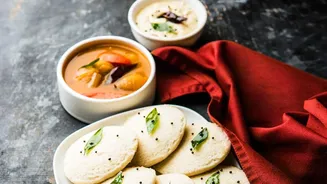
A cornerstone of South Indian cuisine, particularly in states like Tamil Nadu and Karnataka, Idli Sambar is a masterclass in delicious simplicity. Idlis are soft, fluffy, steamed cakes made from a fermented batter of rice and black lentils. The fermentation
process not only gives them a unique, slightly tangy taste but also makes them highly nutritious and easy to digest. This beloved dish has ancient roots, with similar preparations mentioned in texts over a thousand years ago. They are almost always served with sambar, a hearty and flavorful lentil-based stew packed with vegetables and seasoned with a distinctive blend of spices and tamarind. This combination isn't just a breakfast; it's a cultural icon, enjoyed by millions every day from street-side stalls to family dining tables.
Poha from Maharashtra and Madhya Pradesh
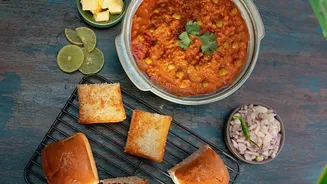
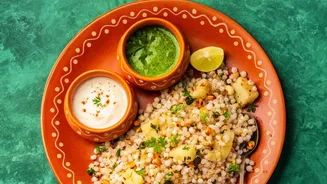
Across Western and Central India, mornings often start with Poha. This light, nutritious, and incredibly versatile dish is made from flattened rice flakes. The preparation is quick and adaptable, reflecting the fast-paced life in cities like Mumbai and Pune. The most famous variant is Kanda Poha, where the rice flakes are gently steamed with sautéed onions, potatoes, mustard seeds, turmeric, and green chilies. It's often garnished with fresh coriander, a squeeze of lemon, and sometimes crunchy peanuts or sev (fried gram flour vermicelli). In Indore, Madhya Pradesh, the local poha has a unique sweet and sour taste and is famously paired with hot, sweet jalebis. As a dish that is both filling and light, poha represents a practical and delicious breakfast solution that has been embraced across the country.
Aloo Paratha from Punjab
Hailing from the fertile plains of Punjab in North India, the Aloo Paratha is a hearty and satisfying breakfast that has become a national favorite. It consists of a whole wheat unleavened flatbread stuffed with a spiced mixture of mashed potatoes, onions, and herbs. The paratha is traditionally cooked on a hot tawa (griddle) with ghee or butter until it's golden brown and slightly crispy, with a soft, flavourful interior. This dish is a reflection of Punjab's robust agricultural traditions, providing a calorie-dense meal to fuel a hard day's work. It is typically served with a generous dollop of white butter (makhan), a side of plain yogurt, and tangy pickles. More than just a food item, the aloo paratha is a symbol of Punjabi hospitality and comfort food at its finest.
Luchi & Alur Dom from Bengal
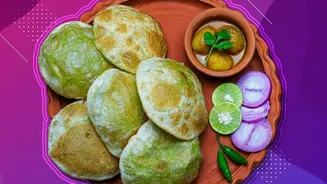
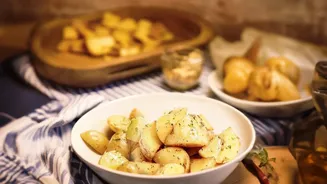
A beloved weekend and festive breakfast in West Bengal, Luchi and Alur Dom is a truly indulgent combination. Luchis are deep-fried, puffy breads made from refined flour (maida), which makes them distinctively white and incredibly soft. They are lighter and more delicate than their whole-wheat cousin, the poori. The perfect accompaniment is Alur Dom, a slow-cooked potato curry. This Bengali take on dum aloo is often lightly spiced and can have a hint of sweetness, featuring baby potatoes simmered in a flavourful gravy of tomatoes, ginger, and aromatic spices. It's a combination that signifies celebration and leisure in Bengali households, a special treat that turns a regular morning into an occasion.
Pesarattu Upma from Andhra Pradesh
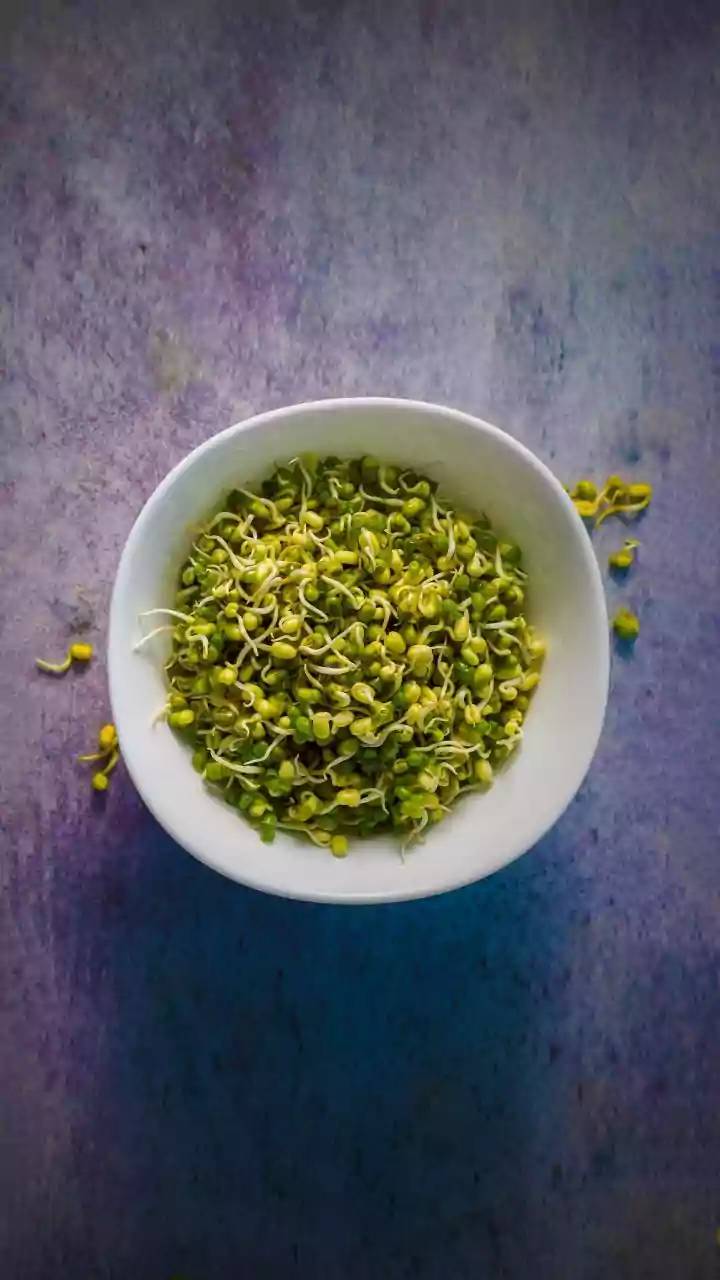
From the state of Andhra Pradesh comes a protein-packed breakfast powerhouse: Pesarattu Upma. The Pesarattu is a thin, crepe-like dosa made from a batter of whole green gram (moong dal), ginger, and green chilies, requiring no fermentation. This makes it a nutritious and relatively quick dish to prepare. What elevates this dish is the addition of a savoury filling of Upma, a thick porridge made from dry-roasted semolina (sooji) and vegetables. The combination, popularly known as MLA Pesarattu after it gained fame in the MLA quarters in Hyderabad, offers a wonderful contrast in textures—the crispy, earthy pesarattu enveloping the soft, savoury upma. Served hot with ginger chutney, it's a uniquely Andhra breakfast that is both wholesome and delicious.