



The Rise of the Artisan Loaf
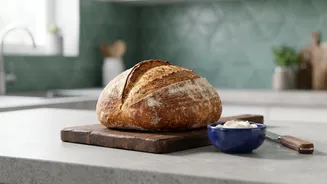
Not long ago, the world of bread in most Indian households was a simple choice between white and brown slices from a plastic packet. Today, that landscape is changing dramatically. A growing movement of home bakers is turning their kitchens into laboratories
of flavour and texture, experimenting with everything from rustic sourdough loaves to airy, dimpled focaccia. This shift was significantly accelerated during the pandemic lockdowns, which gave people time to invest in new skills. What started as a way to pass the time has blossomed into a full-fledged cultural trend, driven by a desire for healthier, preservative-free food and the satisfaction of creating something beautiful and delicious from scratch. Social media feeds, once filled with dalgona coffee, are now a canvas for crackling crusts and perfectly airy crumbs, inspiring more and more people to try their hand at baking.
Beyond Naan: A Global-Local Fusion
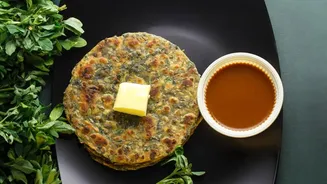
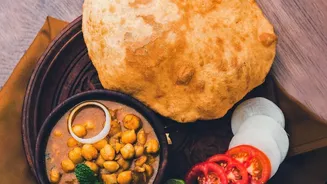
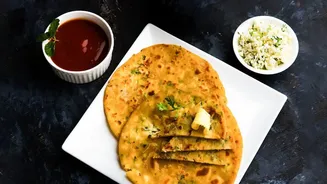
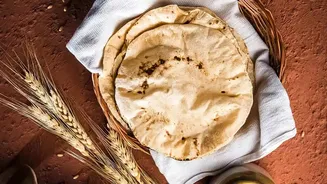
While Indian cuisine boasts a rich tradition of flatbreads like roti and paratha, this new wave is largely focused on leavened, oven-baked breads that were previously the domain of professionals. However, home cooks are not simply copying European recipes; they are creatively adapting them. The tangy complexity of a sourdough starter, for instance, is finding its way into traditional favourites. Home bakers are discovering that a sourdough starter can create a softer, more flavourful kulcha or a puffier naan, blending a global technique with a familiar Indian staple. This fusion extends to ingredients, with bakers incorporating local grains and spices like fenugreek, carom seeds, and classic tadka into their loaves, creating a uniquely Indian-style sourdough.
Demystifying the Dough
One of the biggest drivers of this trend is the demystification of the baking process. What once seemed like an intimidating science, full of mysterious terms like 'proofing' and 'lamination', has been made approachable by a new generation of online food educators. Through countless YouTube videos, Instagram reels, and dedicated online workshops, these digital gurus break down complex techniques into simple, step-by-step instructions. They show that you don't need a professional kitchen or expensive imported ingredients to bake a great loaf. In fact, many are champions of using local flours and adapting recipes to the Indian climate. This culture of sharing knowledge has empowered home cooks, giving them the confidence to tackle breads that they would have only ever bought from a restaurant before.
An Instinct for Fermentation
The rapid adoption of techniques like sourdough baking also taps into a deep-seated culinary instinct in India. Fermentation is not a foreign concept; it is the cornerstone of beloved foods like idli, dosa, and homemade curd. Many home cooks are finding that the process of nurturing a sourdough starter—a living culture of flour and water—feels surprisingly intuitive. They already understand the patience required to let a dosa batter ferment overnight or the subtle signs that tell you when curd has set perfectly. This inherent knowledge provides a solid foundation, making the leap to bread baking feel less like learning a new skill and more like expanding an existing one. It's a modern application of an ancient principle that has been present in Indian kitchens for generations.
A Slice of Self-Reliance
Ultimately, the home baking movement is about more than just food. It represents a shift towards mindfulness and self-reliance in the kitchen. In a world of instant gratification and processed foods, the slow, deliberate process of making bread offers a rewarding escape. It’s an act of creation that engages all the senses, from the feel of the dough to the smell of the finished loaf. For many, it has transformed bread from a mere staple into an experience—a considered purchase or a proud creation to be shared with family and friends. As more people read ingredient labels and question what goes into their food, baking their own bread has become a delicious form of empowerment, giving them complete control over quality and flavour, one dough at a time.