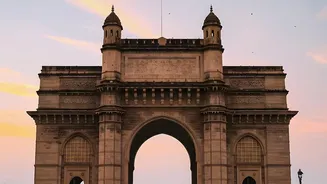

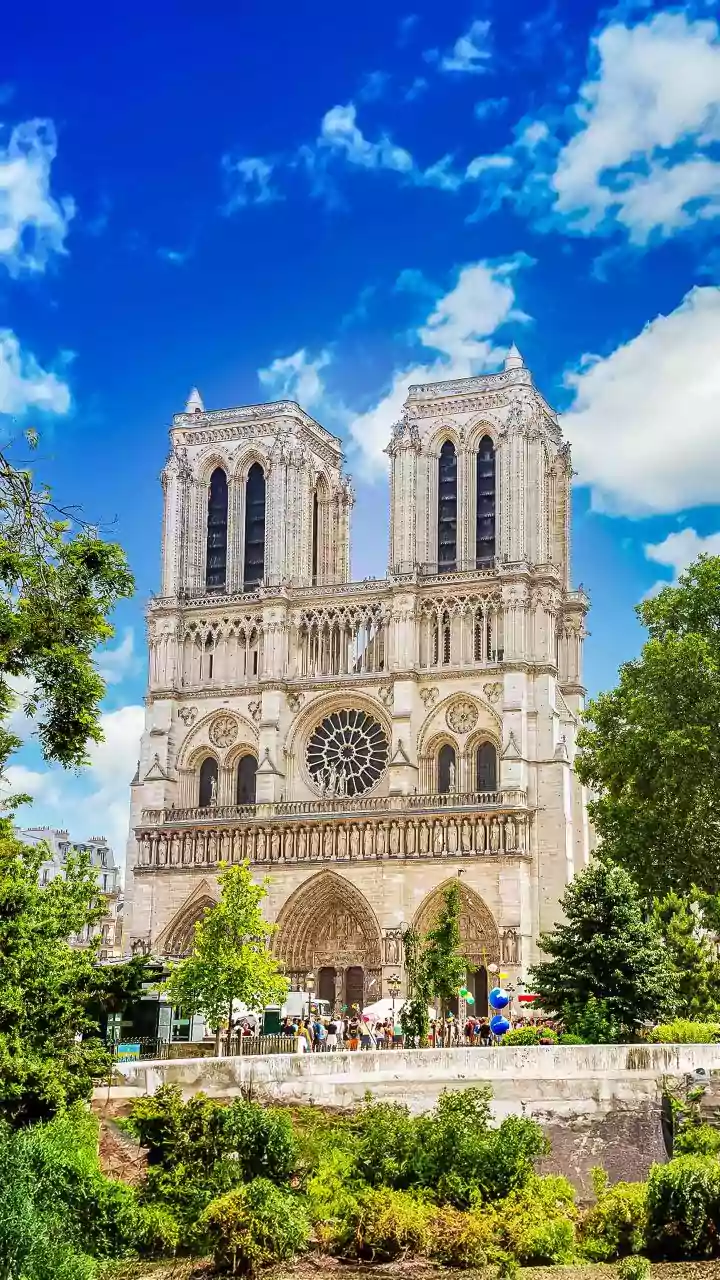

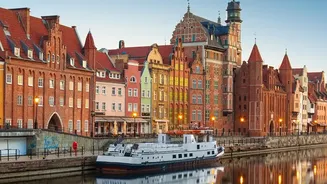
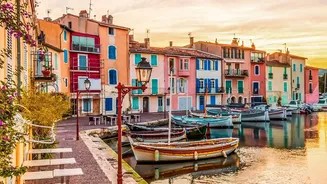
The thrill of seeing a world-famous landmark is undeniable, but the most unforgettable travel stories often begin just a few streets away. For the independent explorer, true adventure lies in balancing the iconic with the everyday.
Beyond the Checklist
Every great trip has
its 'must-see' moments. You can't imagine Paris without the Eiffel Tower or Peru without Machu Picchu. Yet, a journey built only on ticking off these major attractions can feel surprisingly hollow. The experience is often defined by long queues, overwhelming crowds, and a sense of manufactured tourism where everything is geared towards a fleeting photo opportunity rather than a genuine connection. These famous sites are famous for a reason, but they represent just one layer of a destination's identity. Relying solely on a checklist can mean missing the spontaneous, unscripted moments that transform a good holiday into a great one. The real soul of a place often reveals itself not at the monument, but in the quiet moments in between.
The Rich Rewards of Wandering
What do you 'gain' by venturing off the main tourist thoroughfare? The answer is authenticity. When you wander into a residential neighbourhood, you trade overpriced souvenir shops for family-run bakeries and bustling local markets. You discover the restaurant with a handwritten menu that locals queue for, not the one with glossy pictures out front. This approach, often called 'slow travel', fosters deeper cultural immersion. It creates opportunities for genuine human connection—a shared smile with a shopkeeper, a conversation struck up in a park, or simply observing the daily rhythm of life. These unplanned encounters and discoveries build confidence and lead to more personal, unique stories that no guidebook could ever provide.
Practical Tips for a Balanced Trip
Finding this balance doesn't require a radical overhaul of your plans, just a shift in mindset and a few simple strategies. First, use public transportation instead of relying solely on tourist-focused transport; it moves you through real neighbourhoods where people live and work. Second, give yourself unstructured time. Plan your visit to a major landmark in the morning, but leave the afternoon free to simply get lost on foot. Follow a street that looks interesting and see where it leads. Third, eat with curiosity. Ask a barista or hotel staff member for their personal favourite lunch spot—their recommendations will almost always lead you to more authentic and affordable meals. Finally, consider staying in locally-owned guesthouses or boutique hotels, which often provide insider tips and a more personal connection to the community.
A Tale of Two Itineraries
Imagine two trips to Rome. The first is a whirlwind tour: Colosseum, Vatican City, Trevi Fountain, Spanish Steps. It’s efficient but exhausting, a blur of jostling for photos and navigating crowds. The second trip includes the Colosseum, but is followed by a slow walk through the nearby Monti neighbourhood. Here, you discover artisan workshops, quiet piazzas, and a tiny trattoria serving fresh pasta. The next day might involve a visit to a local food market in Testaccio before seeing any ancient ruins. While the first trip collects sights, the second collects experiences. It allows the city to reveal its character slowly, creating memories tied to taste, sound, and feeling, not just visuals. This approach turns a destination from a backdrop into an active participant in your journey.