



The Post-Monsoon Advantage
November in India is a magical time for a safari. The monsoon rains have subsided, leaving the forests lush, vibrant, and bursting with life. The air is cool and pleasant, making the open-jeep drives comfortable from the misty mornings to the golden evenings.
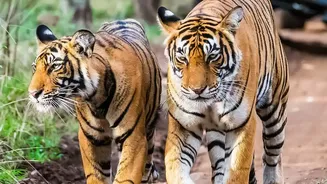
However, this post-monsoon beauty presents a unique challenge for wildlife spotting. The vegetation is at its thickest, providing animals with ample cover. Water sources are plentiful, meaning predators like tigers don't need to travel far to drink, making their movements less predictable. This is where a safari can become a simple drive in the woods, unless you have an expert eye on your side.
Reading the Unseen Story
A local tracker is more than just a spotter; they are a forest detective. While a guide drives and explains animal behaviour, a tracker is solely focused on finding them. They possess a profound, often lifelong, knowledge of the terrain. They can read the 'story' of the forest in ways an average visitor cannot. This includes identifying fresh pugmarks in the damp soil, noticing a recently broken twig, or analysing the freshness of animal droppings. They interpret the subtle language of the jungle—the alarm call of a deer, the agitated chatter of monkeys, or the sudden flight of birds—all of which can signal a predator's presence. Their senses are tuned to deviations from the norm, an intuition built over years spent in that specific ecosystem.
Guide vs. Tracker: A Crucial Distinction
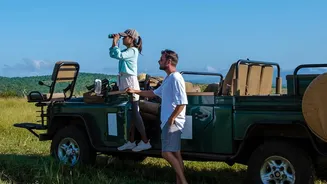
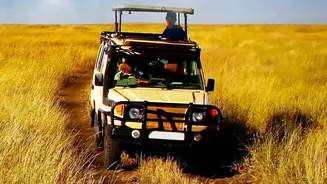
Many safaris include a guide, who is an expert in wildlife interpretation, guest experience, and the general layout of the park. They are your host and storyteller. A tracker, however, has a different, highly specialised skill set. Often seated on a special seat at the front of the vehicle, their entire job is to scan the environment for signs. This partnership is a powerful combination: the tracker finds the animal, and the guide explains its behaviour and context, creating a much richer experience. In many Southern African safaris, this two-person team is standard, but in India, it's often a premium service. When booking your November safari, asking whether a dedicated tracker is included can be the difference between a good trip and an unforgettable one.
Beyond the Big Cats
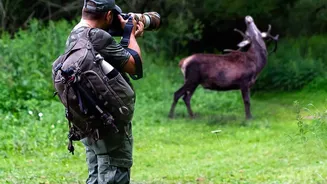
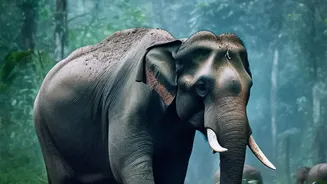
While the search for a tiger often dominates a safari, an expert tracker unlocks the entire ecosystem. Their deep knowledge extends to all fauna and flora. They can lead you to a rare owl, point out medicinal plants, or find the camouflaged den of a sloth bear. They understand the intricate relationships between different species and can reveal the smaller, often-missed wonders of the jungle. This turns your safari from a single-minded tiger hunt into a holistic and educational immersion in nature. They provide a deeper connection to the landscape, sharing local knowledge and stories that have been passed down through generations, enriching your understanding of the forest and its people.