



The Era of Imported Ideals
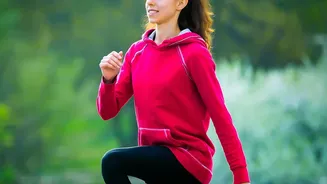
For the better part of a decade, fitness in urban India looked a lot like it did everywhere else in the world. High-intensity interval training (HIIT), CrossFit boxes, and sleek Pilates studios became the default settings for health-conscious city dwellers.
Inspired by global celebrities and fitness influencers, the goal was often aesthetic, driven by the desire for quick, visible results. This culture created a booming market for Westernized gyms and fitness models, but it also promoted a one-size-fits-all approach that sometimes felt disconnected from the local context and lifestyle. The focus was on scheduled, intense workouts, often seen as a separate chore from the rest of daily life.
Rediscovering Ancient Power
Beneath the surface of global trends, India's own formidable fitness traditions have been waiting for a comeback. Practices like Pehlwani (wrestling), Mallakhamb (gymnastic pole), and the use of tools like the Gada (mace) and Mudgar (clubs) have been honed for centuries to build functional strength, mobility, and resilience. These are not just exercises but holistic systems that integrate body and mind, originally designed to prepare warriors for battle. The Dand (Hindu push-up) and Baithak (Hindu squat) are classic examples of zero-equipment workouts that build incredible endurance and flexibility, practices that have been the backbone of akharas (traditional wrestling schools) for generations.
The Gen Z Remix: Tradition Meets Tech
So, what does this youthful refresh look like? It's not about abandoning modernity but blending it with tradition. Gen Z is taking the principles of desi fitness and making them accessible for today's world. Entrepreneurs are launching startups that manufacture and sell modern versions of tools like the Mudgar, often accompanied by online tutorials. Fitness influencers on social media are showcasing the power of Gada swings and Mallakhamb, framing them as unique and effective alternatives to conventional weightlifting. This generation is using technology not to replace tradition, but to amplify it, sharing knowledge and building communities online around these once-niche practices.
More Than a Workout, It's a Cultural Statement
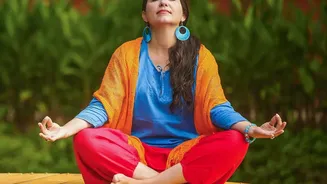
This revival is about more than just physical health; it's a cultural movement. For many young Indians, embracing traditional fitness is a way to connect with their heritage and push back against a homogenized global culture. It aligns with a broader turn towards holistic wellness, where mental and spiritual well-being are just as important as physical strength. There's a growing cynicism towards corporate wellness and a desire for authenticity, which these time-tested Indian practices provide. This generation is asking deeper questions about health, moving from a mindset of 'looking fit' to 'feeling strong' and resilient, both physically and culturally.