
A Different Kind of Valley
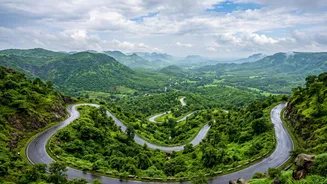
First, let's clear up a common confusion. Many travellers in Jharkhand are familiar with the breathtaking hairpin bends of Patratu Valley near Ranchi. However, Sevati Valley is a distinct destination with its own unique charm. Located in the Kasmar block
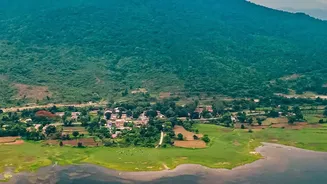
of Bokaro district, about 50 kilometres from the city centre, Sevati lies on the border between Jharkhand and West Bengal. This is not a polished tourist hub, but an off-the-beaten-path locale prized for its unspoiled natural beauty. Its appeal lies in its relative obscurity, offering an unfiltered encounter with nature, especially for those looking to escape the commercialised travel circuit and discover something new.
The Monsoon Transformation
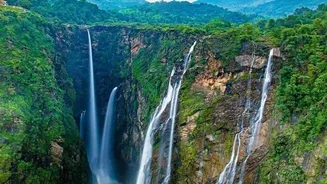
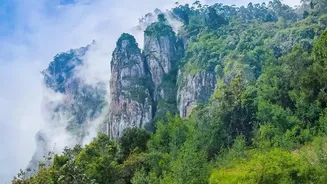
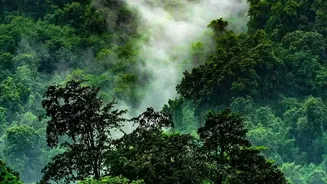
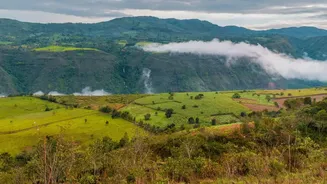
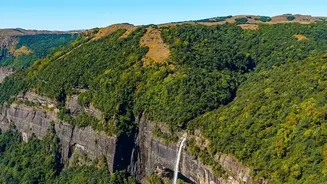
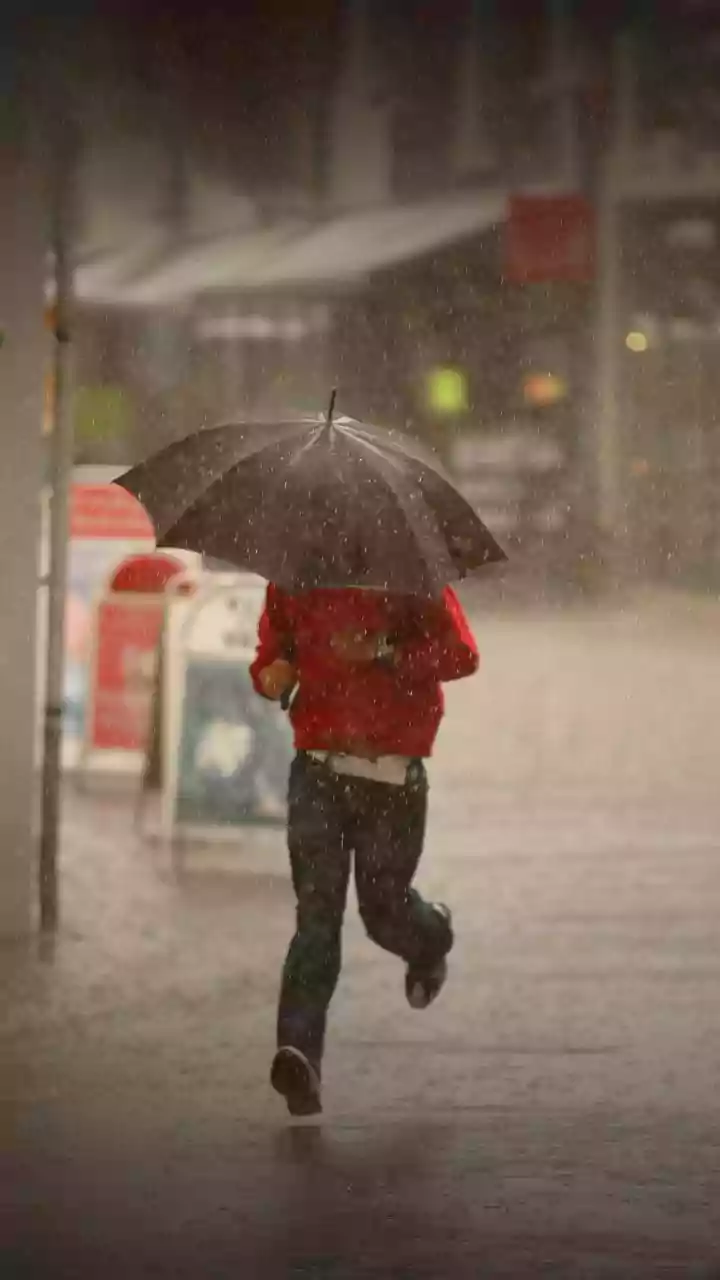
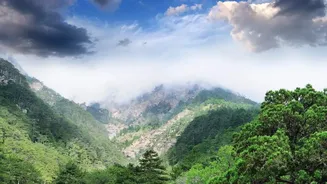
Sevati Valley truly comes into its own during the monsoon. After days of steady rain, the valley undergoes a spectacular metamorphosis. The star attraction is a magnificent waterfall that springs to life, gushing down the hillside in a brilliant white cascade against a backdrop of deep green foliage. This seasonal waterfall is the valley's main draw, with its powerful flow creating a landscape so striking that it has become a favourite for photographers and nature lovers. The surrounding hills become shrouded in mist and low-hanging clouds, adding to the mystical atmosphere. The drive through the area becomes an experience in itself, with motorists often pulling over simply to absorb the stunning view of the rain-fed scenery.
What to See and Do
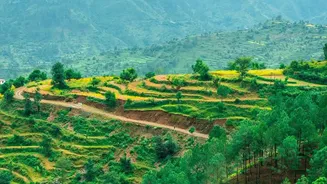
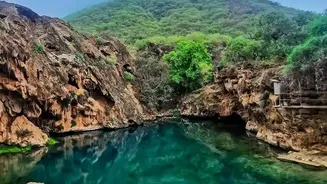
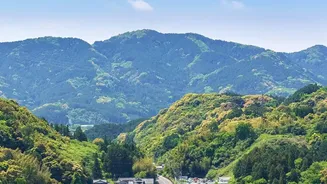
A trip to Sevati Valley is about immersing yourself in the environment rather than checking off a list of attractions. The primary activity is enjoying the majestic view of the waterfall and the lush, sprawling valley. It’s an ideal spot for a picnic, provided you bring your own supplies, and for capturing stunning photographs of the monsoon landscape. The area is also suited for trekking for the more adventurous visitor. The main viewpoint offers a panoramic scene that is both serene and powerful. You can spend hours just watching the clouds drift over the hills and listening to the sound of the cascading water. It’s a place to disconnect and appreciate nature in its rawest form.
Planning Your Visit
Reaching Sevati Valley requires a bit of planning. The most straightforward way to get there is by road from Bokaro, a journey of approximately 50 kilometres. The nearest major railway station is in Bokaro, and the closest airport is Birsa Munda Airport in Ranchi. Given that the valley is a developing tourist spot, amenities are limited. Recent reports highlight that locals are advocating for improved infrastructure, including seating areas, sanitation facilities, and safety measures. For now, visitors should come prepared. It is wise to carry your own food and water, wear comfortable shoes with good grip suitable for wet conditions, and bring rain gear. The journey through the verdant landscape is part of the destination's charm, but be cautious while driving as roads can be slippery during the monsoon.
An Authentic Experience
The lack of extensive infrastructure is precisely what makes a visit to Sevati Valley special. It offers a glimpse into a natural treasure that has not yet been commercialised. Visiting now means you experience the place as the locals do—a beautiful, seasonal wonder that commands respect. As calls for its development grow, there is hope that it will gain facilities that benefit both tourists and the local community, potentially generating new livelihood opportunities. For now, it remains a destination for the discerning traveller who values authenticity and is willing to embrace a more rustic adventure for a significant scenic reward.