



Why Moisture Is the Real Enemy
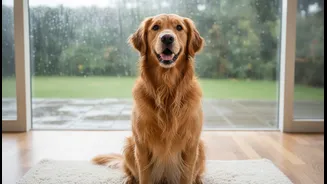
During the Indian monsoon, humidity levels can soar above 80%. In this climate, a pet’s coat, especially if it's thick, simply doesn't get a chance to dry completely between walks. This trapped moisture, combined with your pet’s natural body heat, creates
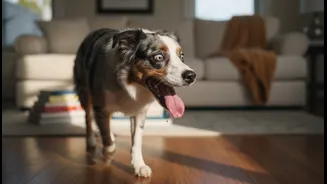
the perfect breeding ground for bacteria and fungi. The result isn't just an unpleasant odour; it’s a high risk of painful skin issues like fungal infections (such as ringworm and yeast overgrowth), hot spots (acute moist dermatitis), and bacterial infections. These conditions cause incessant itching, redness, hair loss, and discomfort. Therefore, the primary goal of monsoon pet care isn’t masking smells, but managing dampness.
The Art of the Post-Walk Dry Down
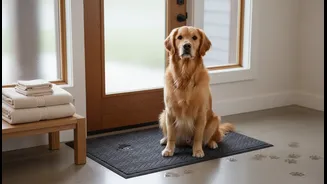
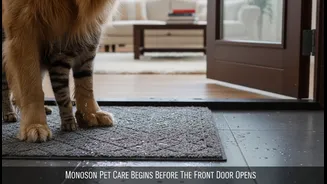
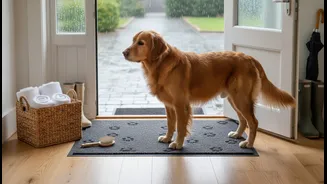
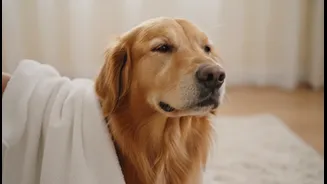
This is the single most important habit to adopt during the rainy season. After every single walk, no matter how short, a thorough drying routine is non-negotiable. Keep a highly absorbent microfibre towel near your door specifically for this purpose. Focus on areas that trap the most moisture: the belly, underarms, tail area, and ears. For long-haired breeds, a towel might not be enough to dry the undercoat. In these cases, using a hairdryer on a low-heat, cool setting can be very effective. Taking these five minutes after a walk can prevent weeks of treating a stubborn skin infection.
Paw Patrol: A Daily Check-Up
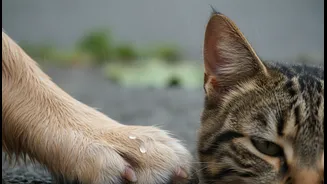
Paws are ground zero for monsoon-related problems. They are in constant contact with muddy puddles and contaminated street water, which can carry everything from bacteria to dangerous pathogens like the Leptospira bacteria. The spaces between the toes are notorious for trapping moisture, leading to painful yeast infections. After every walk, wash your pet's paws with lukewarm water, and then dry them completely, paying special attention to the gaps between the pads. Trimming the hair around the paws at the start of the season can also help by giving mud and water less to cling to. Some owners find pet-safe paw balms helpful as a protective barrier.
The Problem with Perfumes and Fragrances
Covering up a damp smell with perfume or human-grade deodorants is not just ineffective; it’s harmful. A dog's sense of smell is up to 10,000 times more powerful than a human's, and a scent that seems pleasant to you can be overwhelmingly intense and stressful for them. Furthermore, human perfumes contain chemicals like ethanol and other synthetic compounds that can cause severe skin irritation, allergic reactions, hives, or hot spots when applied to a pet's sensitive skin. If a pet licks the sprayed area, they can ingest these toxic ingredients, which can lead to respiratory irritation or digestive issues. If your pet has an unpleasant odour, it's often a sign of an underlying skin issue that needs to be addressed, not masked.
Managing the Indoor Environment
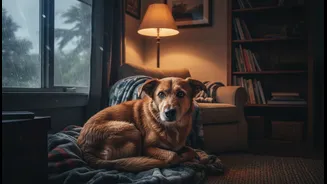
Moisture control extends to your home. Ensure your pet’s bedding is always clean and, most importantly, completely dry. Washing bedding weekly in hot water and drying it thoroughly helps prevent fungal growth. Keeping your home well-ventilated can also help reduce the overall humidity that contributes to skin problems. During the monsoon, food can also spoil faster. Store dry kibble in airtight containers and avoid leaving wet or home-cooked food out for extended periods, as the humidity encourages bacterial growth that can lead to gastrointestinal issues.
Beyond the Coat: Overall Health
A strong immune system is the best defence. Ensure your pet is on a balanced, high-quality diet to support their skin and overall health. Avoid letting your pet drink from puddles or stagnant water sources, which are rife with parasites and bacteria that can cause serious digestive problems. The monsoon is also peak season for ticks and fleas, so it's crucial to be consistent with your vet-recommended preventative treatments. These parasites thrive in humid conditions and can transmit serious diseases.