


Beyond the Dress Code on the Invite
An invitation that says “festive” or “formal” is a starting point, not the final word. Indian weddings and other grand celebrations are often multi-part affairs that can span an entire day or even multiple days. A single outfit, no matter how beautiful,
might not be practical for a day that includes a morning ceremony, an afternoon lunch, and an evening reception with hours of dancing. Thinking about the schedule allows you to plan for comfort and practicality without sacrificing style. The goal is to remain a present and joyful guest, not someone struggling with a heavy lehenga during a high-energy sangeet or shivering in a thin saree at an outdoor evening event.
Deconstruct the Itinerary Like a Pro
Before you even think about shopping, become a detective. Look at the full event schedule. A typical Indian wedding might involve a vibrant outdoor Mehendi, a formal temple ceremony, and a glamorous indoor reception. Each segment has a different energy and requires a different approach. For daytime functions, lighter fabrics like Chanderi, organza, and cotton-silk in brighter or pastel colours are ideal. They look great in natural light and keep you cool. Evening events, often held in climate-controlled venues with artificial lighting, are your chance to bring out richer fabrics like velvet or brocade, deeper jewel tones, and more elaborate embellishments. Consider the activities, too. A Sangeet night full of dancing calls for an outfit that allows for movement, like a sharara suit or a pre-draped saree, not a restrictive silhouette.
The Power of the Versatile Outfit
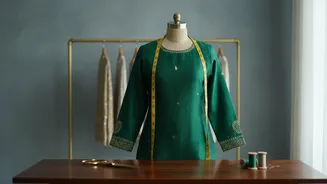
You don't always need multiple distinct outfits. The secret often lies in versatile pieces and strategic layering. Think in terms of separates. A stylish crop top paired with a lehenga skirt for a ceremony can be worn with tailored trousers for a more relaxed pre-wedding function. A beautifully embroidered dupatta or jacket can completely transform a simple kurta set, taking it from day to night. This approach not only makes your wardrobe work harder but also allows you to adapt on the fly. If an outdoor event turns chilly, having a coordinated jacket or shawl is a lifesaver. This is about smart styling, where a single core outfit can serve multiple purposes with the simple addition or subtraction of a key element.
The Art of the Strategic Outfit Change
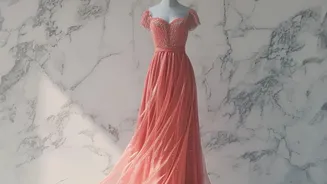
For longer events, a planned outfit change can be the ultimate power move. This is especially true for weddings that transition from a traditional daytime ceremony to a high-glamour evening reception. The ceremony might call for a more traditional and modest silk saree or a regal lehenga. But wearing that same heavy attire for eight more hours is a recipe for fatigue. Packing a second, lighter outfit for the reception is a game-changer. This could be a chic Indo-Western gown, a sequinned saree, or a flowy Anarkali that’s designed for dancing. This isn’t about being extra; it’s about being prepared. It allows you to fully embrace the distinct mood of each part of the celebration while ensuring you remain comfortable.
Don't Forget Footwear and Accessories
Your outfit is only half the story. The wrong accessories can undermine even the most carefully planned look. Footwear is paramount. Stilettos might look fantastic, but they're a poor choice for an outdoor event on a lawn or a night that involves hours of dancing. Consider elegant but comfortable options like embellished juttis, block heels, or wedges. Many savvy guests even pack a second pair of shoes. Similarly, accessories can help transition a look. Swapping delicate daytime jewellery for a statement necklace or chandelier earrings can instantly elevate your outfit for the evening. A simple clutch might be great for the ceremony, but a slightly larger potli bag can hold essentials for a long day.