






The Foundation: Dressing in Layers
The single biggest variable on an overnight train, especially in AC coaches, is temperature. You might find yourself in a compartment that feels like a cold storage unit, only for the air conditioning to be turned down hours later, leaving it warm and
stuffy. Dressing in layers is your personal thermostat. Start with a comfortable base like a cotton t-shirt and loose pyjamas or track pants. Your crucial mid-layer should be something easy to add or remove, like a light fleece jacket, a shawl, or a hoodie. This allows you to adapt instantly without having to rummage through your luggage in the dark. Avoid heavy, bulky woollens; the goal is flexible comfort, not preparing for a blizzard. A pair of socks is also a small but mighty addition, keeping your feet warm if you need to take your shoes off to sleep.
Your Cone of Silence: The Humble Earplug
A train is a symphony of sounds you don’t want a ticket for: the rhythmic clatter of wheels on tracks, the snoring of fellow passengers, conversations from the next bay, the distant cry of a chai-wallah at a 3 AM station stop. Earplugs are not a luxury; they are a non-negotiable tool for creating a bubble of personal peace. Simple foam earplugs, which you can find at any chemist, are effective and cheap. You just roll them tightly, insert, and let them expand to block out the majority of ambient noise. For those who find foam uncomfortable, reusable silicone earplugs offer a softer, more customised fit. Blocking out these disruptions is one of the most effective ways to ensure you get the deep, uninterrupted sleep you need to arrive at your destination refreshed.
Peace of Mind: The Secure Essentials Pouch
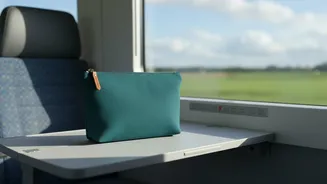
You cannot sleep soundly if you are worried about your valuables. Waking up to check for your phone, wallet, or tickets is a recipe for a fragmented, stressful night. The solution is a small, secure essentials pouch that stays on your person. This could be a slim waist belt worn under your shirt, a small sling bag, or even a pouch on a lanyard around your neck. Inside this pouch, you should keep only the absolute essentials: your phone, wallet with ID and some cash, and your digital or printed ticket. Some experienced travellers even sleep with this small bag under their pillow. By keeping these critical items physically attached to you, you eliminate the primary source of travel anxiety, allowing your brain to switch off and truly rest.
Putting the Checklist into Action
Thinking of these three items as a single, unified system makes preparation effortless. Before settling down for the night, your routine becomes simple. First, adjust your layers for the current temperature. Second, place your essentials in your secure pouch and wear it comfortably. Third, pop in your earplugs as the final step before you lie down. This three-step ritual signals to your body that it’s time to rest. You have managed your comfort, secured your valuables, and blocked out the noise. There is nothing left for you to worry about, which is the entire point. An eye mask can be a great fourth addition to block out light from passing stations or fellow passengers' phones, but these three are the foundational pillars of a successful night-train sleep strategy.