







The Monsoon's Humble Hero
As the summer heat gives way to rainy days, markets across India welcome the arrival of kathal. While technically a summer fruit with a peak season from March to July, its availability extends into the monsoon, making it a staple of the season. Historically,
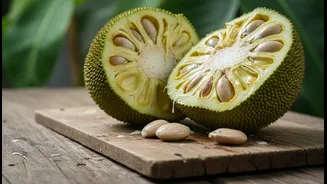
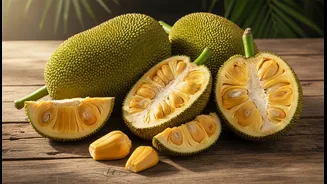
it served as a crucial food source during the rains, a time when travel was difficult and fresh produce could be scarce. This enormous, spiky fruit holds a unique dual identity in Indian cuisine. When unripe and green, its texture is dense and fibrous, earning it a reputation as a popular meat substitute. As it ripens, its flesh turns a vibrant yellow, becoming intensely sweet with a flavour reminiscent of pineapple, mango, and banana.
A Journey from Sabzi to Star Ingredient
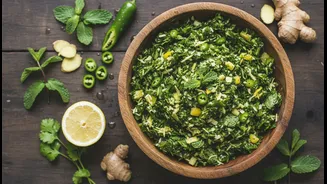
For generations, unripe kathal has been the heart of comforting home-cooked meals. Its most classic avatar is the kathal ki sabzi, a flavourful and spicy curry enjoyed across North India. Regional variations abound, from Bengal's 'echorer kalia' to Goa's 'jack verde picante'. The seeds, too, are not discarded; they are often roasted or added to curries, providing a nutty texture. But this humble vegetable is no longer confined to traditional kitchens. Modern chefs and restaurants are embracing kathal, celebrating its versatility in innovative ways. It's now found in everything from kathal biryani, where its meaty texture shines, to tacos, burgers, and even fusion dishes that pair it with global flavours. This culinary revival is reintroducing kathal to a new generation of food lovers, who appreciate its sustainable, plant-based appeal.
A Powerhouse of Nutrition
Beyond its culinary flexibility, kathal is packed with impressive health benefits. It is a fantastic source of dietary fibre, which aids digestion, promotes gut health, and helps you feel full for longer. The fruit is also rich in essential vitamins and minerals, including Vitamin C, which boosts immunity, and potassium, which helps regulate blood pressure. With a low glycemic index, unripe jackfruit is a good option for those managing blood sugar levels. Furthermore, it's loaded with antioxidants that help combat oxidative stress in the body. Its high water content also helps with hydration, making it a surprisingly refreshing choice during the humid monsoon months.
Embracing the Seasonal Staple
The return of kathal to monsoon menus is more than just a seasonal change; it’s a celebration of tradition and flavour. While preparing a whole jackfruit can seem intimidating due to its sticky latex, many vendors now sell it pre-cut, making it much more accessible for home cooks. Canned jackfruit, usually packed in brine or water, is another convenient option, especially for savoury dishes. When buying fresh, look for unripe green kathal for cooking curries and ripe, fragrant yellow jackfruit for eating as a fruit. Whether you're trying a classic sabzi recipe passed down through generations or sampling a creative new dish at a local restaurant, the monsoon is the perfect time to explore the many facets of this incredible fruit.