


Embrace the Rule of Odds
One of the most effective principles in design is the 'rule of three'. Grouping plants in odd numbers—three, five, or seven—creates a more dynamic and natural-looking arrangement than even numbers do. An even number of pots, like two or four, can feel
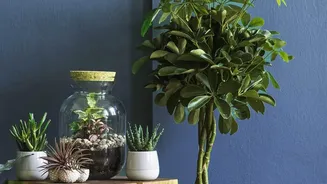
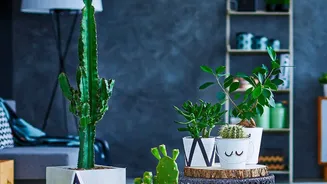
static and predictable because the eye tends to pair them up. An odd number forces the eye to move around the grouping, creating a sense of visual flow and interest. This simple trick works for a small cluster on a side table or a larger floor arrangement in a corner. A trio often includes a tall 'anchor' plant, a medium 'filler' plant, and a smaller 'spiller' to create a complete composition.
Create Movement With Varying Heights
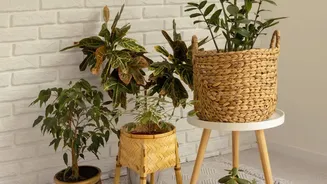
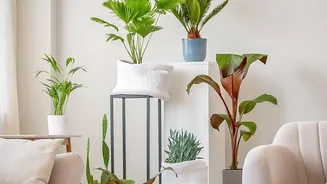
A display of pots all at the same height can look flat and monotonous, like a solid wall of green. To create visual interest and depth, vary the heights of your plants and pots. This doesn't mean you need to buy pots of all different sizes. You can use plant stands, stacks of books, or small stools to elevate certain pots, creating different levels. The goal is to create a layered effect, with taller plants providing a backdrop and shorter ones filling in the front. This arrangement guides the viewer's eye up and down through the display, making it feel more alive and immersive.
Play With Texture and Shape
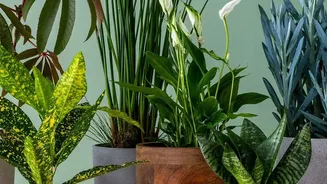
Once you have a pleasing arrangement of heights, focus on texture and shape. Combining different leaf textures—like the glossy, waxy leaves of a rubber plant next to the delicate, feathery fronds of a fern—adds a rich, tactile dimension. Similarly, mixing pot shapes can add another layer of interest. You might pair a tall, angular pot with a soft, rounded one. As long as there's a unifying element, such as a consistent colour family or material, mixing shapes will read as intentional variety rather than chaos. This contrast is what gives a plant grouping its character and sophisticated feel.
Unify With a Cohesive Colour Palette
Colour is a powerful tool for creating harmony. Your colour palette applies to both the plants themselves and their pots. You can create a unified look by choosing pots made from the same material, like terracotta or concrete, which allows the shapes and plant foliage to be the main focus. Alternatively, you can choose pots in an analogous colour scheme (hues that are next to each other on the colour wheel, like blue and green) for a serene feel. For a bolder statement, use complementary colours (opposites on the colour wheel, like red and green) to create a vibrant contrast. The key is to have a common thread that ties the entire grouping together, preventing it from looking accidental.
Location, Location, Location
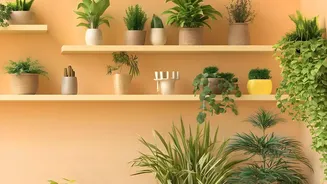
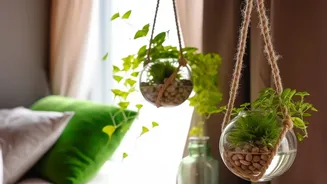
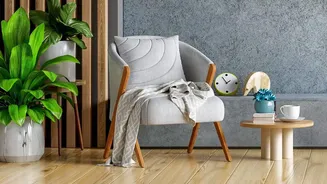
Where you place your plant group is just as important as how you arrange it. Instead of scattering plants randomly, create defined 'vignettes' or styled moments. An unused corner can be transformed into a lush focal point with a floor-level grouping. A collection of smaller pots can bring life to a bookshelf or console table. Think about creating layers within the room itself. A large plant on the floor, a medium one on a side table, and a trailing plant hanging from the ceiling can create a balanced and immersive feeling of being surrounded by nature. Don't be afraid to pull your pots away from the wall; even a few inches can add depth and make the arrangement feel more integrated into the space.