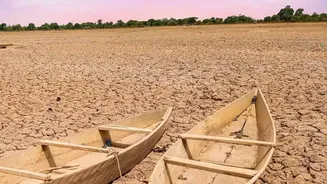







The critical goal of limiting global warming to 1.5°C is under threat. A stark new report released during the UN climate conference in Antalya, Türkiye, reveals that global climate action has effectively stalled for the past five years.
A Five-Year Standstill
According to the
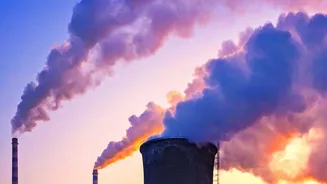
independent Climate Action Tracker report, progress in fighting climate change has flatlined. While the first five years after the 2015 Paris Agreement saw actions that reduced projected warming, the last five have been a story of stagnation, with positive steps being cancelled out by negative ones. The analysis warns that collective efforts have not been enough to meaningfully reduce global emissions, which continue to rise due to growing energy demand and sustained investment in fossil fuel infrastructure. This lack of progress means the world is on a trajectory to significantly 'overshoot' the 1.5°C target.
The Gap Between Pledges and Reality
The core of the problem lies in the enormous gap between what countries have promised and what they are actually doing. The United Nations Environment Programme's (UNEP) latest Emissions Gap Report, launched ahead of the COP31 summit in Türkiye, confirms this alarming trend. Even if all current national pledges are met, the world is on track for a devastating 2.6°C of warming by the end of the century. The Climate Action Tracker's analysis is even more grim, putting current policies on a path to 2.7°C of warming. This projection has remained stubbornly unchanged for the last few years, showing that recent commitments have 'failed to move the needle'.
Why 1.5°C Is The Critical Line
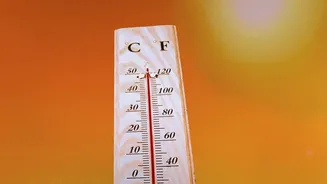
The 1.5°C target is not an arbitrary number. It was adopted under the Paris Agreement as a global guardrail to prevent the worst and most irreversible impacts of climate change. For nations like India, which are highly vulnerable to climate change, exceeding this limit means more frequent and intense heatwaves, unpredictable monsoons, severe flooding, and rising sea levels that threaten coastal communities and economies. The UNEP has warned that overshooting 1.5°C is now 'unavoidable' due to decades of insufficient action. The new focus, therefore, is to limit the magnitude and duration of this overshoot as much as possible.
The Cost of Stalled Action
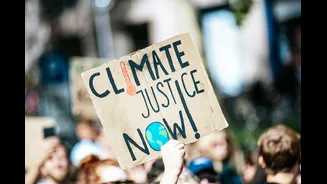
The consequences of this global paralysis are already being felt. The World Meteorological Organization noted that 2026 is continuing a streak of exceptional global temperatures and melting ice. The UNEP's Adaptation Gap Report found that funding to help developing countries adapt to these changes is falling desperately short of what is needed, which is estimated to be around $305 billion annually by 2035. Leaders of climate-vulnerable nations have voiced their frustration, pointing out that 'pledges are not payments' and that wealthy countries must deliver on financial support to help others deal with climate damage.
A Narrow Path Forward
Despite the bleak outlook, the reports are not a message of defeat. There are signs of progress in key sectors. In 2025, clean electricity met all of the growth in global power demand, with countries like India and China setting a record pace for renewable energy deployment. However, to get back on track and limit the overshoot, emissions cuts need to accelerate dramatically. The Climate Action Tracker calculates that global emissions must fall by around 7% per year in the early 2030s. Achieving this requires governments to move beyond rhetoric and implement strong policies that phase out fossil fuels and rapidly scale up clean energy solutions.