





International travel to India now has a critical digital prerequisite. The Government of India has made it mandatory for all arriving passengers to complete the Air Suvidha self-declaration form, a crucial step for a smooth entry into the country.
What is the Air Suvidha Form?
The
Air Suvidha portal is an online system for passengers to submit a mandatory self-declaration form before arriving in India. Initially introduced during the COVID-19 pandemic, the platform, now known as Air Suvidha 2.0, serves as a public health monitoring tool. In June 2026, the Directorate General of Health Services (Dte. GHS) mandated its use for all international arrivals in response to an ongoing Ebola disease outbreak. The system is designed to streamline health screening at airports by collecting travel details and health information in advance, allowing for a more efficient and contactless arrival process. The information helps health and immigration authorities identify any passengers who might require further medical assessment upon landing.
Who Needs to Complete the Form?
The requirement is universal and applies to every single passenger arriving in India from an international location, without exception. This includes Indian passport holders, foreign nationals, and holders of an Overseas Citizen of India (OCI) card. The Bureau of Immigration has recently emphasized that the form is not optional. Even children and infants must have a form completed on their behalf, which can be done by a parent or guardian. The rules apply regardless of a passenger's recent travel history, meaning even those who have not visited a high-risk country must complete the declaration.
A Step-by-Step Guide to Registration
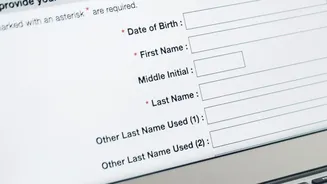
Filling out the Air Suvidha form is a straightforward online process. Passengers should only use the official government portal: airsuvidha.civilaviation.gov.in. The form can be submitted up to 72 hours before your scheduled arrival in India. You will need to provide personal details exactly as they appear on your passport, including your full name and passport number. Next, you will enter your flight information, such as flight number and your first port of arrival in India. The form also requires you to declare your travel history for the past 21 days, including any countries you transited through. After providing contact details like a local address, mobile number, and email, you will complete a verification step, often involving a one-time password (OTP). Finally, after carefully reviewing all information, you submit the form.
Documents and Information Needed
To ensure a smooth process, it is best to gather all necessary information before you begin. You will need your passport, flight details (including ticket or boarding pass), and the address of your stay in India. A valid and active mobile number and email address are also essential for the OTP verification process. While the current iteration of the form is primarily for monitoring the Ebola outbreak, you will be asked to declare your health status and any potential exposure. Be prepared to answer questions accurately about your recent travel and any symptoms. Providing false information is an offense under Indian law.
What Happens After Submission?
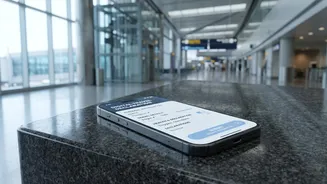
Once you successfully submit the self_declaration form, you will receive an acknowledgement with a unique registration number. A confirmation will also be sent to your registered email address. It is crucial to save a digital or physical copy of this acknowledgement, as you will need to present it to health officials upon arrival at the airport in India. While most passengers will proceed through the regular arrival channels, an Airport Port Health Officer (APHO) may select some individuals for additional health screening based on the information provided in their declaration. Failure to complete the form before your journey can lead to significant delays and additional scrutiny at the airport.