





Start with Official Weather Forecasts
Before you even think about packing, your first port of call should be the India Meteorological Department (IMD). As the government's official agency, its forecasts are the most reliable source for tracking monsoon systems. Familiarise yourself with their
colour-coded alerts. 'Green' means all is well. 'Yellow' is a watch-out signal to stay aware. 'Orange' means be prepared for potentially disruptive, very heavy rain. 'Red' is a take-action warning, indicating severe weather that will likely disrupt travel and daily life. You can access these alerts on the Mausam website (mausam.imd.gov.in) or by downloading the official 'Mausam' app, which provides forecasts for hundreds of cities.
Master Your Transport Checks
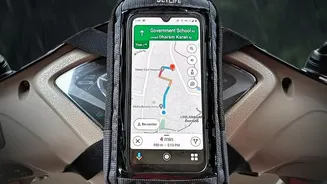
Monsoon rains can wreak havoc on transport networks. For train travel, checking your PNR status is crucial, as is tracking your train's live running status. Heavy rains often lead to delays, diversions, or cancellations. Apps like IRCTC Rail Connect and other platforms that provide live train data are essential. For road travel, the situation is more dynamic. Before starting a road trip, check for local news reports on road closures, waterlogging, or landslides. The IMD's Route Forecast Tool can provide weather updates along your entire planned journey, which is invaluable for long drives. If you're flying, always check directly with your airline for the latest information, as heavy rain and poor visibility can delay flights.
Tap into Local and National Alerts
Beyond a simple rain forecast, you need to be aware of specific local dangers like floods or landslides. The National Disaster Management Authority (NDMA) is a critical resource. Their SACHET portal and mobile app aggregate warnings from various government agencies, providing a single point of reference for all types of disaster alerts. These alerts are often geo-targeted, ensuring you receive information relevant to your location. Many states also have their own disaster management authority websites that issue specific advisories, which are especially important if you're travelling to hilly or coastal regions. Signing up for these alerts can provide you with life-saving, real-time information.
Essential On-the-Ground Practices
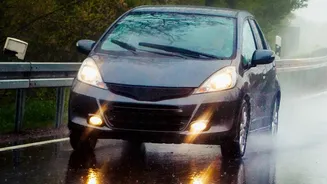
Technology is a powerful tool, but it should be paired with common sense. Always build buffer days into your itinerary to account for potential delays. Pack smart: waterproof bags for electronics, quick-drying clothes, and footwear with excellent grip are non-negotiable. Once at your destination, trust local knowledge. Your hotel staff and drivers can provide the most current updates on ground conditions. Avoid driving through flooded roads, no matter how shallow the water appears. In hilly areas, avoid night driving and stay away from overflowing rivers and streams. Always keep a power bank, a basic first-aid kit, and some dry snacks and water with you.