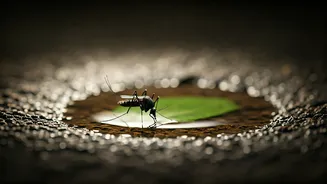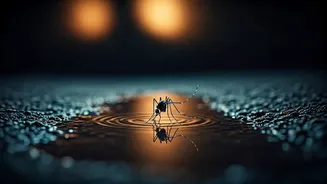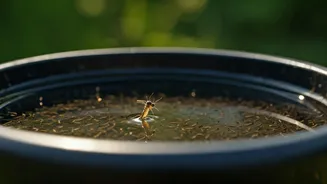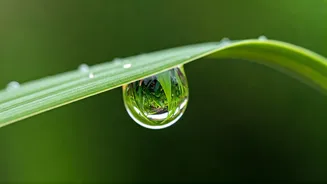









A Puddle's Hidden Danger
That seemingly harmless collection of stagnant water is the perfect five-star hotel for one of India's most persistent public health threats: the mosquito. Specifically, the Aedes aegypti mosquito, the primary carrier for dengue, chikungunya, and Zika,
thrives in clean, standing water. The Anopheles mosquito, which transmits malaria, prefers it too. They don't need a lake or a pond; a bottle cap full of water is enough for a female mosquito to lay hundreds of eggs. During the monsoon season, when intermittent rain and humidity create ideal conditions, these tiny water bodies multiply everywhere, turning our neighbourhoods into potential hotspots for vector-borne diseases.
The 7-Day Countdown to Disease
The urgency in 'don't wait until tomorrow' is rooted in biology. A mosquito's life cycle is alarmingly fast. Once eggs are laid in water, they hatch into larvae within 24 to 48 hours. These larvae, known as 'wrigglers', live in the water for about five to seven days before developing into pupae. In just another day or two, the pupa emerges as an adult mosquito, ready to fly, bite, and spread disease. This entire process can take as little as seven to ten days. A puddle you ignore today could be the source of a new generation of disease-carrying mosquitoes by next week. Acting immediately disrupts this cycle before it can be completed.
Your Indoor Inspection Checklist
Preventing mosquito breeding starts inside your home. Many common household items can collect water without you even noticing. Make it a weekly habit, especially during the monsoon, to conduct a thorough check: - **Air Coolers:** If you use a desert cooler, drain the water completely at least once a week. Scrub the tank to remove any eggs that might be stuck to the sides. - **Refrigerator Tray:** The defrost drain pan at the back or bottom of your fridge is a forgotten hotspot. Empty and clean it regularly. - **Flower Pots & Vases:** Don't just top up the water in your vases; change it daily. For potted plants, ensure the saucers underneath are emptied of excess water after every watering. - **Indoor Ornamental Fountains:** If you have decorative water features, either run them continuously or drain them completely. Stagnant water is the enemy.
The Outdoor Action Plan
Your responsibility extends to the immediate vicinity of your home. Balconies, terraces, and gardens are prime real estate for mosquito breeding. Take these simple steps to secure your perimeter: - **Clear Clogged Drains:** Remove leaves, plastic bags, and other debris that prevent rainwater from flowing freely from your roof and balconies. - **Overturn Empty Containers:** Buckets, old tyres, unused pots, coconut shells, and even discarded plastic toys can collect rainwater. Turn them upside down or dispose of them properly. - **Check Tarps & Covers:** Plastic sheets used to cover cars, furniture, or construction materials often sag and create pockets of water. Ensure they are stretched taut so water runs off. - **Talk to Your Neighbours:** Mosquitoes don't respect property lines. A quick, polite conversation with your neighbours can encourage a community-wide effort, making everyone safer.
When to Escalate to Civic Bodies
Sometimes the problem is bigger than what one household can handle. Large-scale waterlogging in your street, at a nearby construction site, or in a public park requires municipal intervention. Don't assume someone else has reported it. Most municipal corporations in India now have dedicated helpline numbers, WhatsApp channels, or mobile apps (like Delhi's MCD 311 App or Mumbai's MyBMC App) for citizens to report such issues. When you file a complaint, be specific about the location. Providing a clear landmark can speed up the response from the public health department, which can then undertake fogging or larvicidal treatment.