







Redefining a 'Weak' Monsoon
When meteorologists talk about a 'weak' or 'deficient' monsoon, they are usually referring to the total volume of rain that falls over the entire country across the four-month season from June to September. This national average is compared to a long-term
benchmark. However, this single number can be misleading. It doesn't tell us how the rain was distributed, or how it fell. A season can be 'weak' on average but still contain terrifyingly powerful and destructive rainfall events. The national average can conceal starkly different local realities, where some regions remain parched while others are hit with sudden, intense bursts of rain.
The Volume vs. Intensity Problem
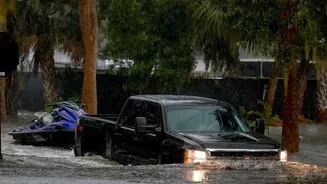
The heart of the issue is the difference between total rainfall volume and rainfall intensity. A healthy monsoon, traditionally, delivers steady, moderate rain over a prolonged period, allowing the ground to absorb water and replenish reservoirs. However, climate change is altering this pattern. The monsoon is becoming more erratic. Instead of gentle, spread-out showers, we are seeing longer dry spells punctuated by short, extremely heavy downpours. These intense spells can dump a month's worth of rain in just a few hours or days. The ground and our drainage systems are simply not designed to handle this much water all at once, leading directly to flash floods, even if the seasonal total is below normal.
A Geographical Lottery
An overall 'weak' monsoon for India doesn't mean every part of the country is dry. The uneven distribution of rainfall is a growing concern. Climate phenomena like El Niño can influence weather patterns, causing monsoon rain systems to form or track differently. This can lead to one state, like Odisha, receiving excess rainfall while its neighbours, Telangana and Andhra Pradesh, face a significant deficit. In recent years, it's become common for some regions to suffer drought-like conditions while, simultaneously, others a few hundred kilometres away are battling catastrophic floods from a concentrated burst of extreme rain. This makes managing water resources and disaster preparedness a significant challenge.
Our Cities Aren't Built for This
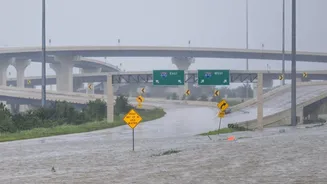
This new rainfall pattern is made far worse by rapid and often unplanned urbanisation. Cities have become concrete jungles that cannot absorb water. Natural water bodies like lakes and wetlands, which act as sponges, have been encroached upon and built over. Our stormwater drainage systems are often old, poorly maintained, and clogged with waste, drastically reducing their capacity to carry water away. When a high-intensity downpour occurs, the rainwater has nowhere to go. It can't seep into the ground, and the drains can't handle the flow, leading to the severe urban flooding we now see in cities like Mumbai, Delhi, and Bengaluru almost every year. These human factors often outweigh natural rainfall variability in causing floods.
The Climate Change Effect
The ultimate driver behind the monsoon's increasing volatility is climate change. A warmer atmosphere can hold more moisture, which leads to more intense precipitation events. Studies show that for every degree Celsius of warming, monsoon rainfalls are likely to increase in strength. Global warming is making the monsoon stronger in terms of intensity, but also more erratic and harder to predict. This means we must prepare for a future where 'normal' monsoons are rare, and the risk of extreme weather—both floods and dry spells—becomes a defining feature of India's climate reality.