






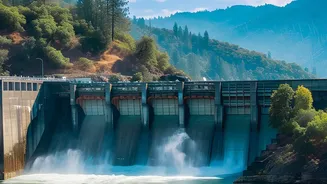
A weekend road trip in Maharashtra often means scenic drives and a stop at a massive dam. But what if that pitstop was the main event? These man-made reservoirs are bustling ecosystems, offering some of the best birdwatching in the country.
Why Dams are Bird Magnets
At first glance,
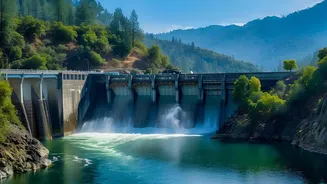
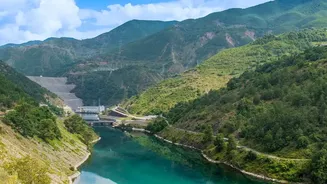
a dam is an engineering marvel. But look closer, and you'll see it’s also an ecological powerhouse. When a dam is built, it creates a large, stable body of water, forming vast wetlands and marshes along its backwaters. These artificial wetlands become invaluable habitats for countless bird species. They offer a reliable source of water, shelter, and, most importantly, food. The shallow edges and mudflats are rich with fish, insects, algae, and small aquatic animals, creating a year-round buffet for resident birds and a crucial refuelling station for long-distance migratory visitors. This transformation of the landscape from a flowing river to a large reservoir creates a diverse environment that attracts an equally diverse avian population.
Bhigwan: The Flamingo Haven of Maharashtra
Often called the 'Bharatpur of Maharashtra', Bhigwan is arguably the state's most famous birdwatching destination. Located on the backwaters of the Ujani Dam, about 100 km from Pune, this area transforms into a sea of pink during the winter months. From December to March, thousands of Greater Flamingos migrate here, creating a breathtaking spectacle. Local fishermen offer boat safaris that take you deep into the wetlands for close-up views of these elegant birds as they feed. But the flamingos aren't the only stars. The area hosts over 230 species, including Painted Storks, Bar-headed Geese, spoonbills, and various ducks and waders, making it a dream destination for any bird enthusiast.
Panshet Dam: A Scenic Western Ghats Getaway
Closer to Pune, Panshet Dam is a popular spot for picnics and water sports, but its location in the verdant Western Ghats also makes it a fantastic, if underrated, birding spot. The drive itself is beautiful, winding through lush hills that come alive during the monsoon. The reservoir and the surrounding forests support a mix of water birds and woodland species. Here, you can spot kingfishers, herons, and egrets by the water, while the trees might reveal flycatchers, warblers, and babblers. Its proximity to Pune makes it an ideal destination for a quick day trip, combining a refreshing drive with the chance to see a variety of birdlife without venturing too far from the city.
Gangapur Dam: Nashik's Avian Paradise
Situated near Nashik on the Godavari River, Gangapur Dam is one of Asia's longest earthen dams and a developing hotspot for birdwatchers. The reservoir's backwaters and the surrounding green belt create a serene environment that attracts numerous resident and migratory birds, especially between October and March. Birders can spot Brahminy Ducks, cormorants, sandpipers, and wagtails along the shores. The area around the dam, which includes nurseries and agricultural fields, also provides habitat for terrestrial species like Asian Green Bee-eaters and Black Drongos. Its location near attractions like Sula Vineyards allows you to easily combine a morning of birding with an afternoon of wine tasting.
Your Birdwatching Road Trip Toolkit
Turning your dam_side trip into a successful birding expedition requires a little preparation. First, a good pair of binoculars is essential to get clear views without disturbing the birds. A field guide or a bird identification app on your phone can help you identify the species you spot. Early mornings are typically the best time for bird activity. When you're there, remember the golden rules of ethical birdwatching : move slowly , keep your voice down , and never disturb nests or get too close to the birds . The goal is to observe them in their natural habitat without causing stress . Pack comfortable clothes , walking shoes , a hat , and plenty of water to make your experience enjoyable.