








Why Monsoon Weakens Your Digestion
In Ayurveda, the ancient Indian science of life, the monsoon season, or *Varsha Ritu*, is a time when the body's digestive fire, known as *Agni*, is naturally at its weakest. The damp, cool atmosphere aggravates the *Vata* dosha (associated with air and
space), leading to issues like bloating, gas, and indigestion. The acidic environment (*amlapaka*) also tends to flare up the *Pitta* dosha (fire and water). The result? You might feel lethargic, prone to infections, and crave foods that are ultimately hard to digest. The goal isn't a punishing 'detox' but rather to gently stoke this digestive fire and keep your system balanced and humming along smoothly.
Foods to Welcome on Your Plate
This is the season for warm, light, and freshly cooked meals. Think of foods that are easy on the stomach. Moong dal is a superstar; it’s light and provides protein without taxing your gut. Soups made from seasonal vegetables like bottle gourd (*lauki*), pointed gourd (*parwal*), and pumpkin are excellent. Opt for older grains like aged rice and barley, which are lighter to digest than fresh wheat or maida. When it comes to vegetables, favour those that are cooked over raw salads. Steaming and light sautéing are your best friends. A warm bowl of *khichdi* with a dollop of ghee is perhaps the perfect monsoon comfort meal—nourishing, balanced, and deeply satisfying.
The Power of Your Masala Dabba
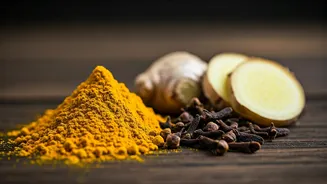
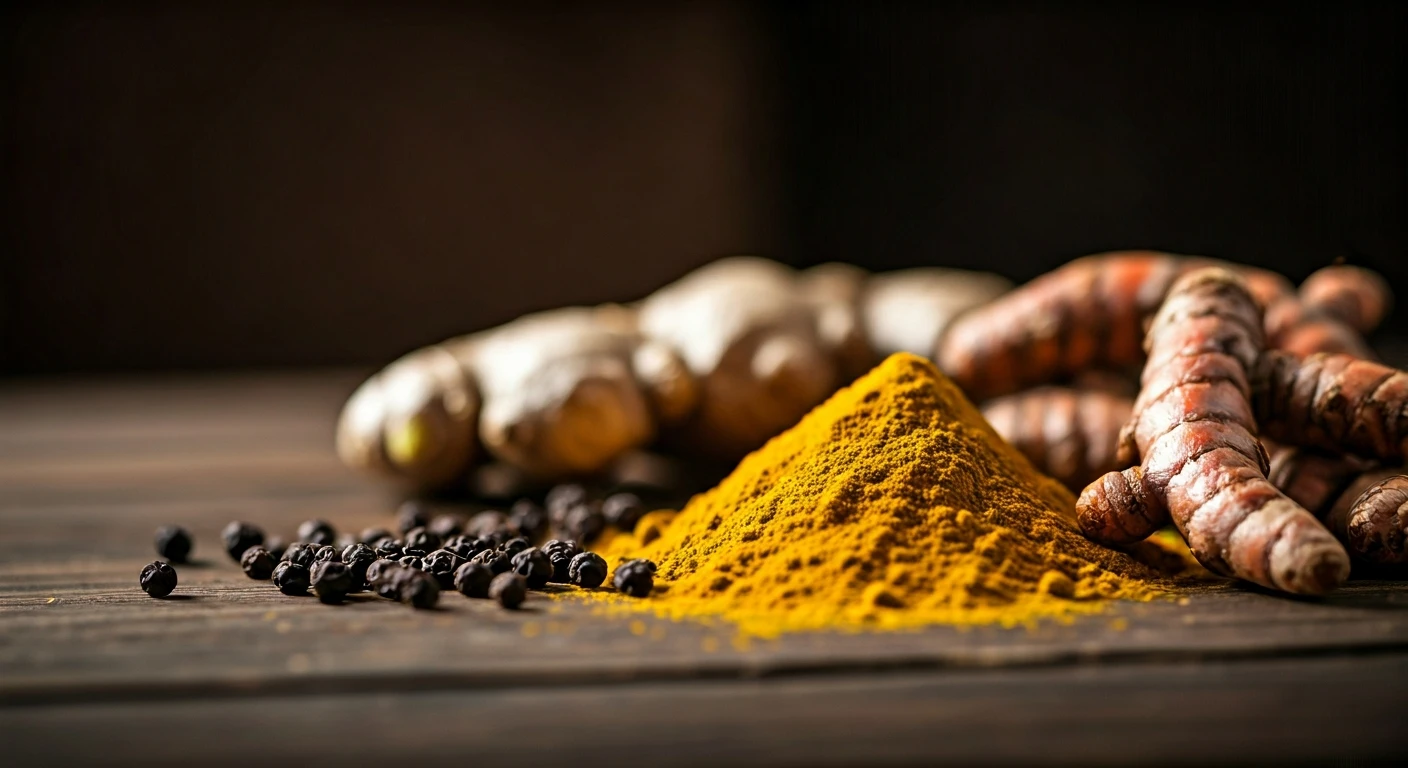
Your spice box is your secret weapon this season. Spices are crucial for kindling the digestive fire and warding off infections. Ginger, both fresh and dried (*sonth*), is phenomenal for digestion and combating colds. Turmeric (*haldi*) is a potent anti-inflammatory and immunity booster. Black pepper (*kali mirch*) not only adds flavour but also helps in the absorption of nutrients and clears congestion. A pinch of asafoetida (*hing*) in your dals and vegetables can prevent gas and bloating. Carom seeds (*ajwain*) are another digestive aid; simply chewing a small amount after meals or drinking ajwain water can provide immense relief.
What to Gently Reduce or Avoid
Just as important as what you eat is what you limit. Heavy, oily, and fried foods like samosas and pakoras, while tempting, are extremely difficult to digest right now and should be an occasional indulgence at best. Cold foods and drinks, including ice cream and refrigerated water, can douse your digestive fire, so stick to room temperature or warm beverages. Ayurveda also advises caution with leafy green vegetables during this time, as the high moisture content makes them prone to harbouring worms and germs. If you do eat them, ensure they are washed thoroughly (perhaps in salt or turmeric water) and cooked well. Similarly, it’s wise to reduce the intake of heavy dairy products like cheese and excessive yoghurt, as they can contribute to mucus and congestion.
Hydrate the Right Way
Staying hydrated is key, but *how* you hydrate matters. Instead of cold water, sip on warm water throughout the day. This simple practice helps flush toxins and aids digestion. Herbal teas are a wonderful addition. A simple brew of ginger, tulsi, and a little honey can boost immunity and soothe a sore throat. Another classic Ayurvedic concoction is CCF tea, made by boiling equal parts cumin (*jeera*), coriander (*dhania*), and fennel (*saunf*) seeds in water. This tri-doshic tea is excellent for digestion, reduces bloating, and helps cleanse the system gently without any harsh side effects.