


Unmatched Tiger Density
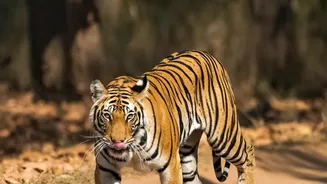
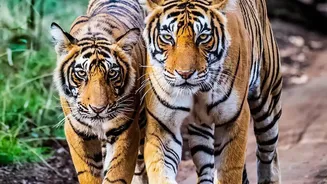
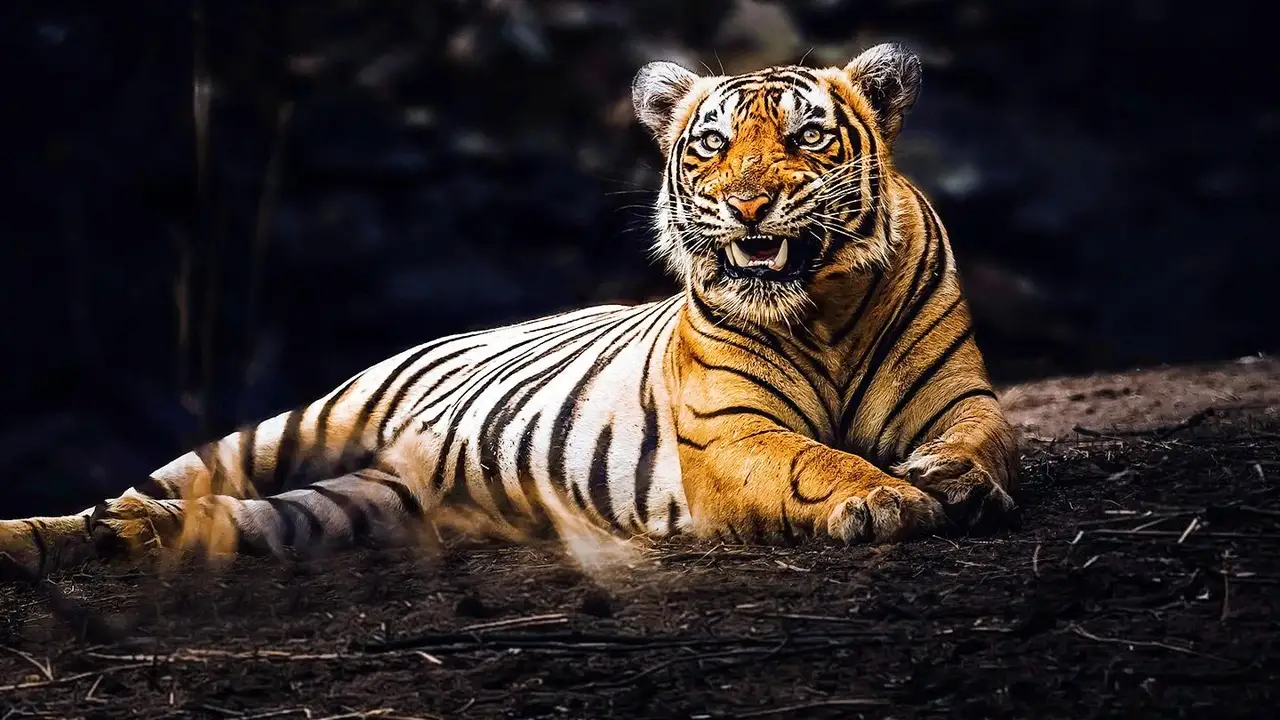
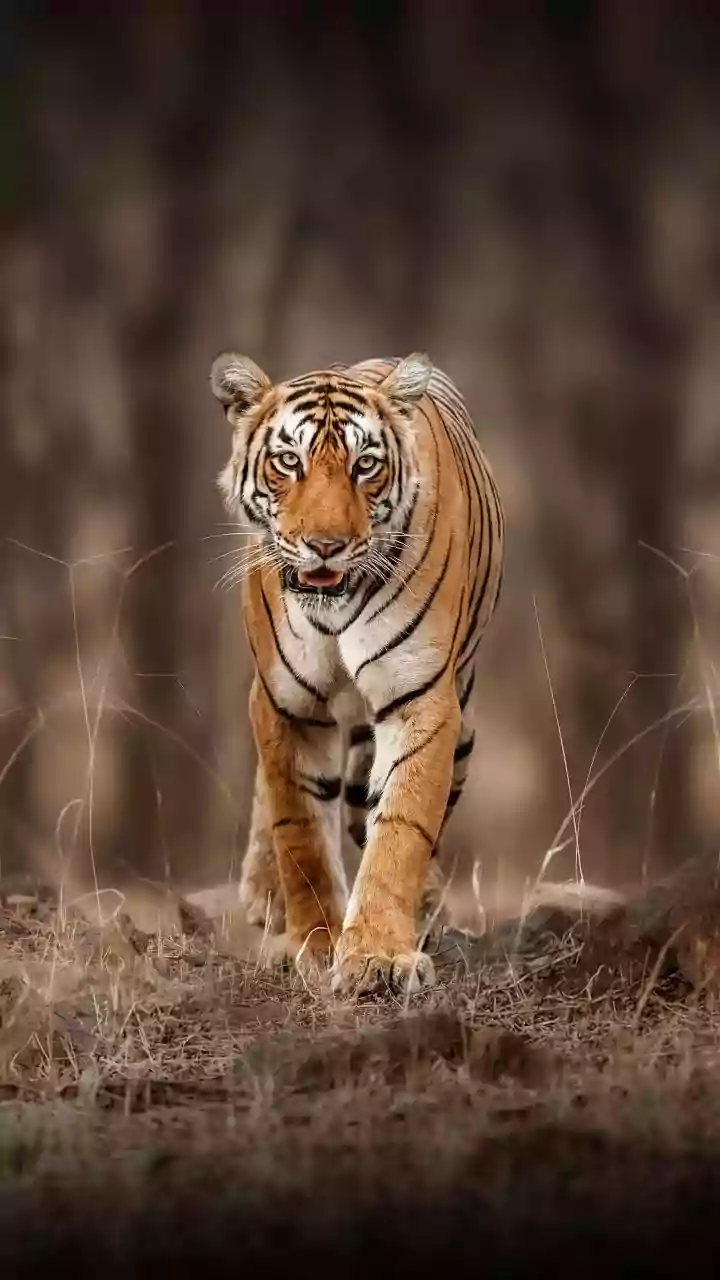
The single biggest factor behind Bandhavgarh’s fame is its extraordinary density of Bengal tigers. The park, covering core and buffer zones, supports a robust population where tigers inhabit relatively small territories. This compression means there is approximately
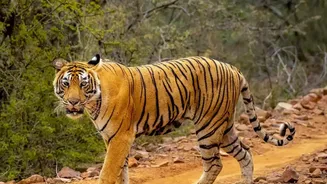
one tiger for every few square kilometres, a concentration almost unmatched anywhere else in the world. For visitors, this translates into a statistically higher probability of an encounter. While no safari can guarantee a sighting, the chances at Bandhavgarh are famously high, with many visitors spotting a tiger within their first few drives.
The Post-Monsoon Advantage
The reopening of the park in October, following the monsoon closure from July to September, presents a unique window for wildlife viewing. The forest is at its most lush and vibrant, the air is clean, and the many waterholes are full. This abundance of water sources dictates animal movement, often drawing both predators and prey to specific locations. Furthermore, the damp soil makes it easier for experienced guides to track fresh pugmarks, following the movements of tigers as they re-establish their patrol routes after the disruptions of the rainy season. This period offers a perfect blend of beautiful landscapes and active wildlife.
A Landscape Built for Sighting
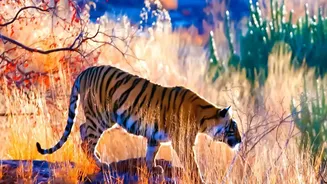
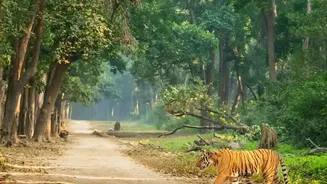
Bandhavgarh’s topography is another key element in its success. Unlike some reserves with impenetrably dense forests, Bandhavgarh offers a varied landscape of sal forests, bamboo groves, rocky hills, and open grassy meadows known as 'chaurs'. This mix of habitats provides cover for tigers but also creates natural clearings and pathways where they are more easily seen. Tigers often use the safari tracks for movement, and the open grasslands attract their primary prey like spotted deer (chital) and sambar deer, making these areas prime hunting grounds and, therefore, prime viewing spots for visitors.
Strategic Safari Zones
The park is divided into several safari zones, with the three core zones—Tala, Magadhi, and Khitauli—being the most sought after for tiger sightings. Tala, the oldest and most famous zone, is built around the historic Bandhavgarh fort and has a legendary reputation. Magadhi offers more open terrain and has become equally renowned for consistent sightings. Khitauli is valued for its diverse wildlife, including sloth bears and a growing tiger presence. This zoning system helps manage tourism and allows guides to focus their efforts on areas with recent activity, using a network of information to maximize the chances of a successful safari.
Habituation and Expert Tracking
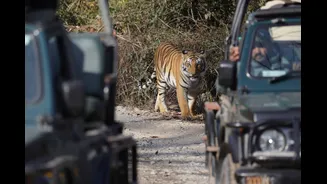
Over the years, the tigers of Bandhavgarh have become relatively accustomed to the presence of safari jeeps. They often go about their business—walking, resting, or stalking prey—largely undisturbed by the vehicles. This habituation allows for more natural and prolonged observations. This is complemented by the incredible skill of the local guides and drivers. Their deep understanding of the forest, ability to interpret alarm calls from deer and monkeys, and sharp eyes for tracking are invaluable assets. They are the ones who turn a simple drive in the forest into a thrilling pursuit, often leading to the unforgettable moment of seeing a tiger in its natural habitat.