


The Monsoon Paw Problem
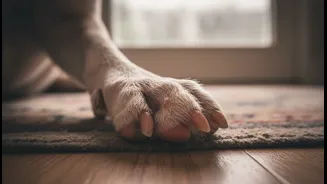
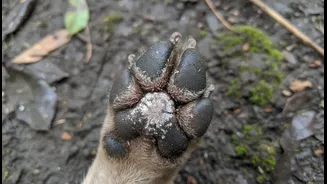
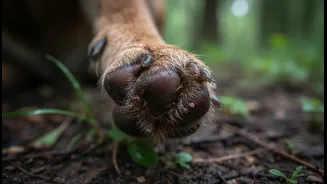
July's persistent rain and high humidity create a challenging environment for dogs. Paws are constantly exposed to wet pavements, muddy puddles, and damp grass. This moisture doesn't just make for messy footprints; it creates the ideal breeding ground
for fungi, particularly yeast like Malassezia. These microorganisms are naturally present on a dog's skin but can multiply uncontrollably in warm, damp conditions, leading to uncomfortable and often painful infections. The spaces between the paw pads and under the nails are particularly vulnerable, as they trap water and have limited air circulation, making them perfect pockets for fungal growth.
The Long-Hair Disadvantage
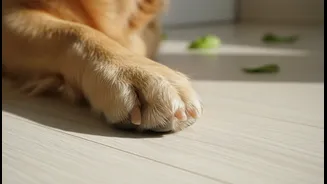
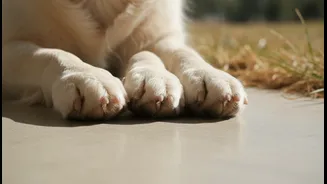
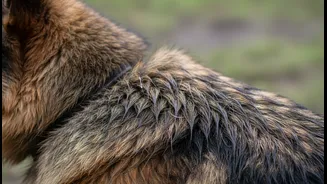
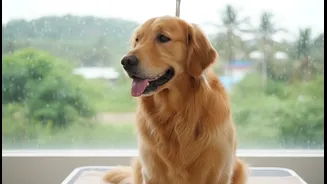
While all dogs are at risk during the monsoon, breeds with long hair, such as Golden Retrievers, Shih Tzus, and Cocker Spaniels, face an elevated threat. The long fur around their paws and between their toes acts like a sponge, soaking up and retaining moisture long after a walk is over. This hair prevents air from circulating freely, meaning the skin underneath can remain damp for hours. Furthermore, the dense fur can trap dirt, debris, and microbes, further irritating the skin and contributing to the perfect storm for infection. This makes thorough drying a much more difficult task for owners, and any residual dampness can be enough to trigger a fungal flare-up.
Spotting the Signs of Trouble
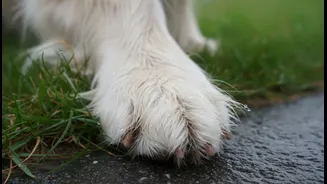
Fungal paw infections can cause significant discomfort, and early detection is key. The most obvious sign is a dog excessively licking, chewing, or biting at its paws. Upon inspection, you may notice the skin between the toes appears red, inflamed, or swollen. A tell-tale symptom is a distinct musty or 'cheesy' odour coming from the paws. You might also see a reddish-brown discoloration on the fur, which is caused by saliva staining from constant licking. In some cases, the skin can become greasy, scaly, or you may notice hair loss around the affected area. If the infection is painful, your dog might limp or seem reluctant to walk.
A Guide to Monsoon Paw Care
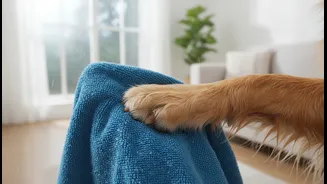
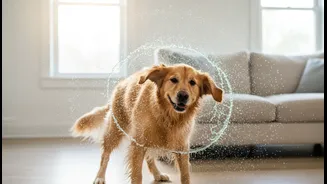
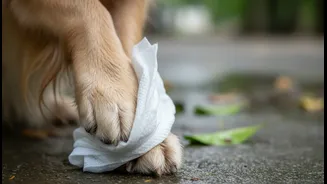
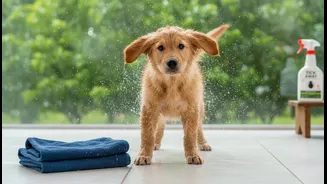
Prevention is the most effective strategy. The number one rule is to keep your dog's paws as clean and dry as possible. After every single walk, take the time to wash their paws with lukewarm water and then dry them meticulously with an absorbent towel, paying special attention to the areas between the toes. For long-haired breeds, using a hairdryer on a low, cool setting can ensure the undercoat is completely dry. Keeping the fur around the paws and between the pads trimmed short is one of the most effective preventative steps. This reduces the amount of moisture and mud the fur can trap and dramatically improves air circulation, allowing the skin to breathe and dry faster. Avoid walks through deep puddles or heavily waterlogged areas where bacteria and contaminants are concentrated.
When to Call the Vet
While preventative home care can manage most risks, it is crucial to know when professional help is needed. Do not attempt to treat a suspected infection with human antifungal creams, which can be toxic if licked. If you notice any persistent signs of infection such as redness, swelling, a strong odour, or if your dog seems to be in pain, it's time to consult your veterinarian. They can accurately diagnose the issue, often by taking a simple skin sample to examine under a microscope. Treatment typically involves medicated shampoos, antifungal wipes, or creams specifically formulated for canine use. For more severe or recurring infections, oral medication may be prescribed to clear the infection from the inside out.