








What is a Flexible Menu?
A flexible menu is the opposite of a rigid, fixed-for-the-week meal plan. Instead of deciding on Monday that you will have a specific dish on Friday, you plan around categories and opportunities. This approach allows you to adapt your cooking and shopping
based on what is fresh, what is on sale, and what is reasonably priced at the market that day. It's about having a structure—knowing you need five vegetable dishes, five dals, and enough chapati flour for the week—but leaving room to make smart, cost-effective choices on the spot. This strategy is particularly effective in India, where food prices can be volatile due to factors like weather and supply chain disruptions.
Embrace Seasonal and Local Produce
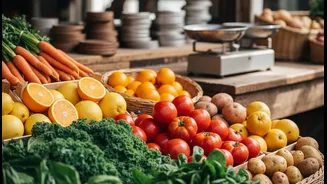
One of the cornerstones of a flexible menu is prioritising seasonal and local foods. When fruits and vegetables are in season, they are at their most abundant, which naturally drives down their cost. Shopping at a local sabzi mandi or weekly haat often means you are buying produce that is fresher and significantly cheaper than at a supermarket, which has higher overheads. For example, carrots and peas are plentiful and inexpensive in the winter, while gourds and beans are budget-friendly during the monsoon. Aligning your meals with these natural cycles not only saves money but also ensures your food is more flavourful and nutrient-dense, as it is picked at its peak.
Master the Art of Substitution
A key skill for any budget-conscious cook is knowing how to substitute ingredients. When the price of a staple vegetable like tomatoes skyrockets, having alternatives ready can prevent your budget from breaking. For a tangy curry base, you can use yoghurt (dahi) to make dishes like kadhi or use tamarind for a sour note. Similarly, if an expensive imported vegetable like broccoli is in a recipe, you can easily swap it for cauliflower or cabbage, which belong to the same family and offer a similar texture. Don't be afraid to experiment. Doodhi (bottle gourd) can stand in for zucchini, and local bhavnagri peppers can replace pricey jalapeños. The goal is to maintain the essence of a dish without being rigidly attached to one specific ingredient.
Build a Resilient Pantry
Your pantry is your economic buffer zone. Stocking up on non-perishable staples when they are on sale is a powerful strategy. Items like rice, atta, dals, sugar, and oils can be bought in bulk for significant savings. A 5 kg bag of dal is often cheaper per kilogram than a 1 kg pack. Having a well-stocked pantry means you always have the foundation for a meal. If fresh vegetables are too expensive one week, you can rely more on dishes made from lentils, chickpeas, or rajma. This reduces your vulnerability to daily market price fluctuations and prevents last-minute, expensive purchases. Just be sure to check expiry dates and store items properly to avoid spoilage.
Shop Smart, Not Impulsively
A flexible menu goes hand-in-hand with smart shopping habits. Always make a list before you go to the store, but frame it flexibly. Instead of "bhindi," write "green vegetable." This gives you the freedom to choose what's freshest and best-priced on the day, be it lauki, tori, or beans. Compare prices between your local vendor and online apps. Sometimes, quick-commerce offers deals, but often the local mandi is cheaper for fresh produce. And a timeless piece of advice: never shop when you're hungry. This leads to impulse buys that inflate your bill with unnecessary snacks and treats. Sticking to your planned categories helps you stay focused and in control of your spending.